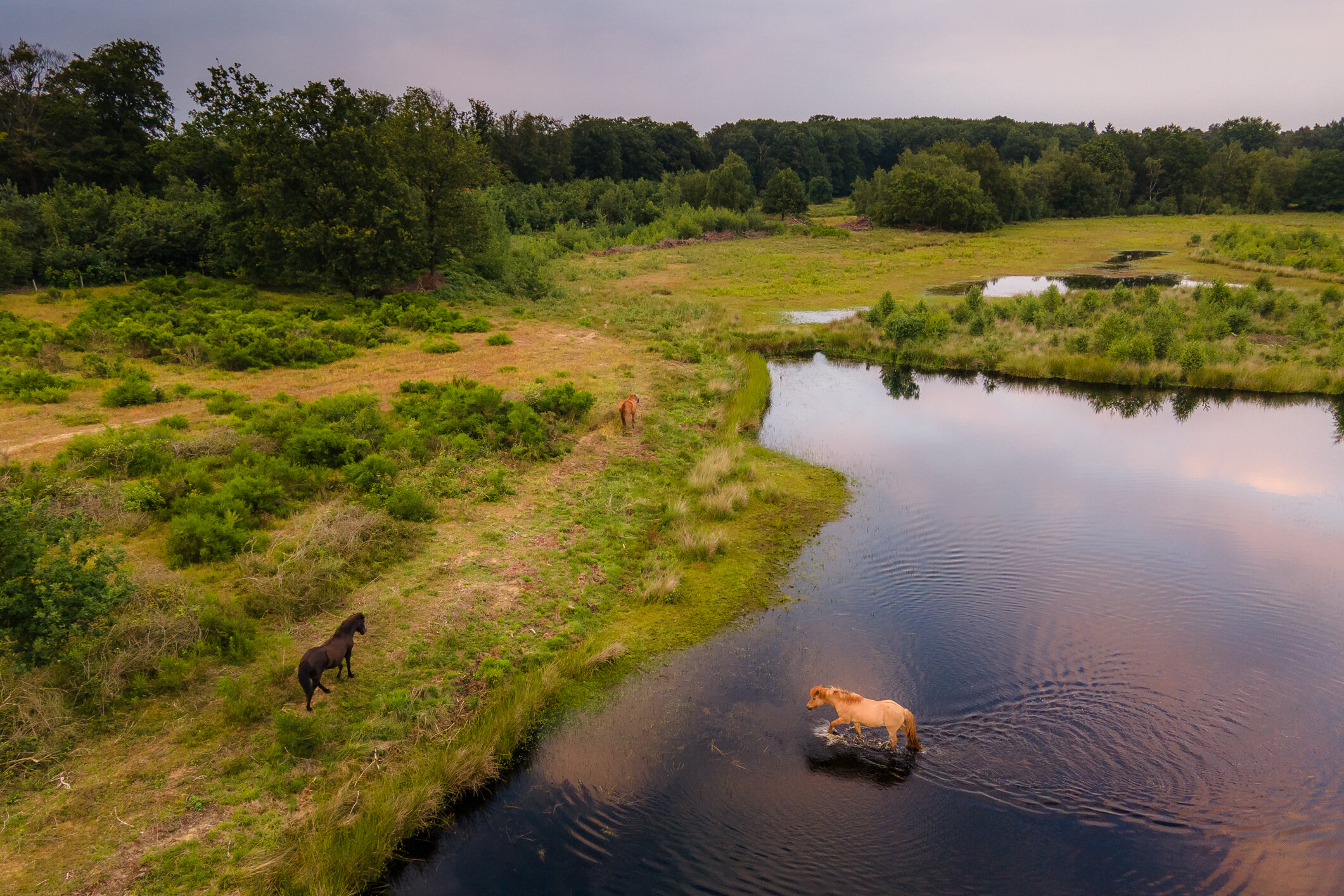
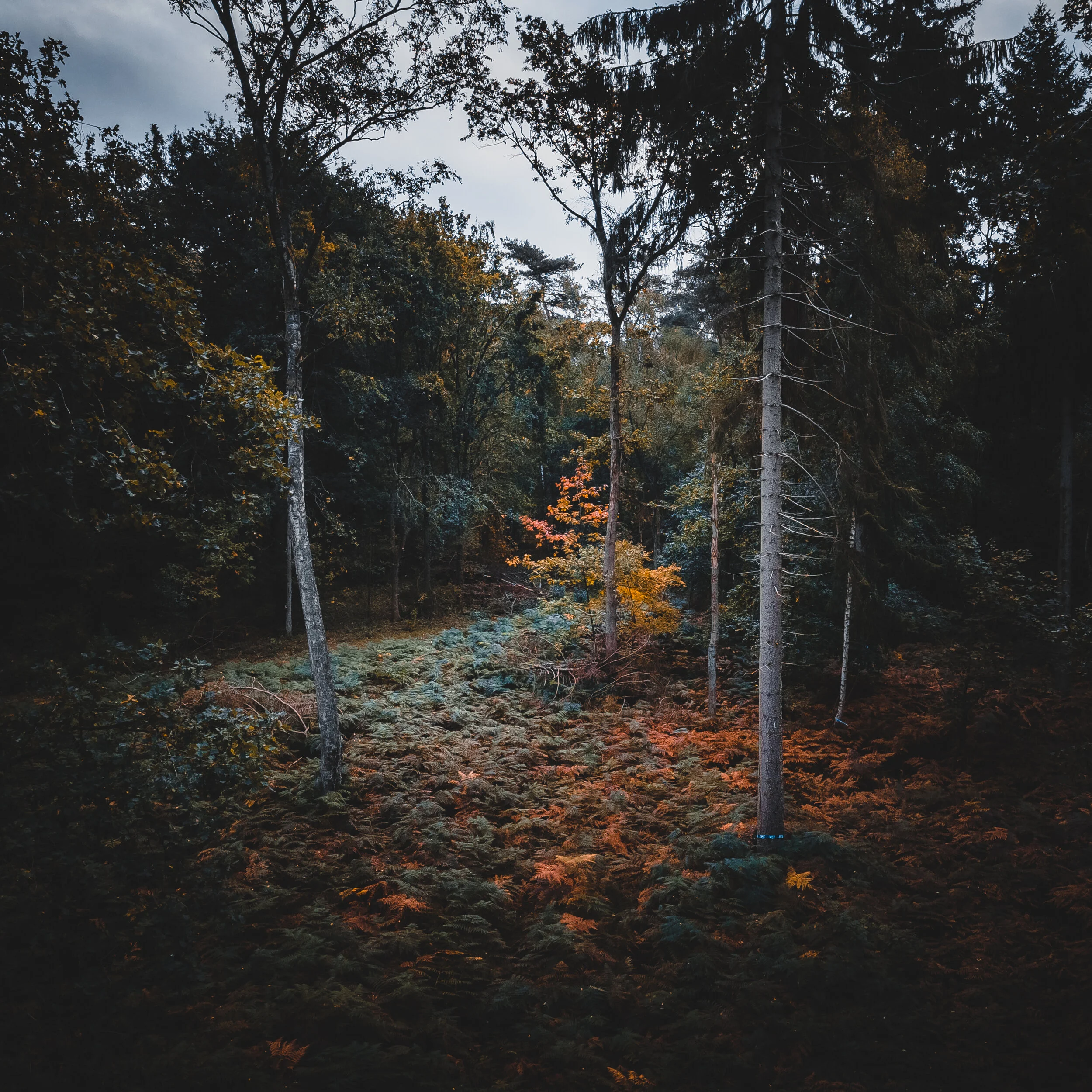
DJI Mavic Air 2 - Drone photography in the Forest

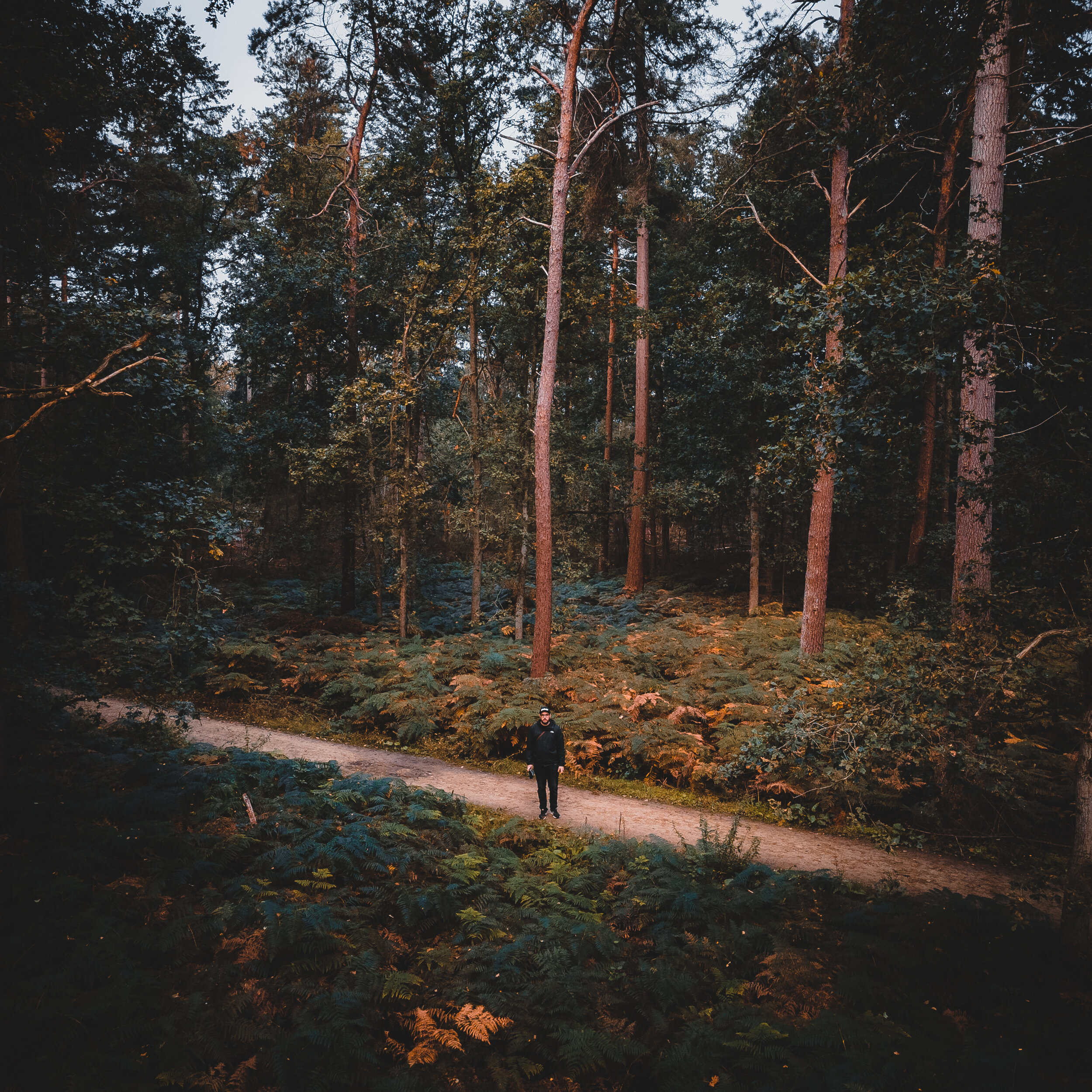
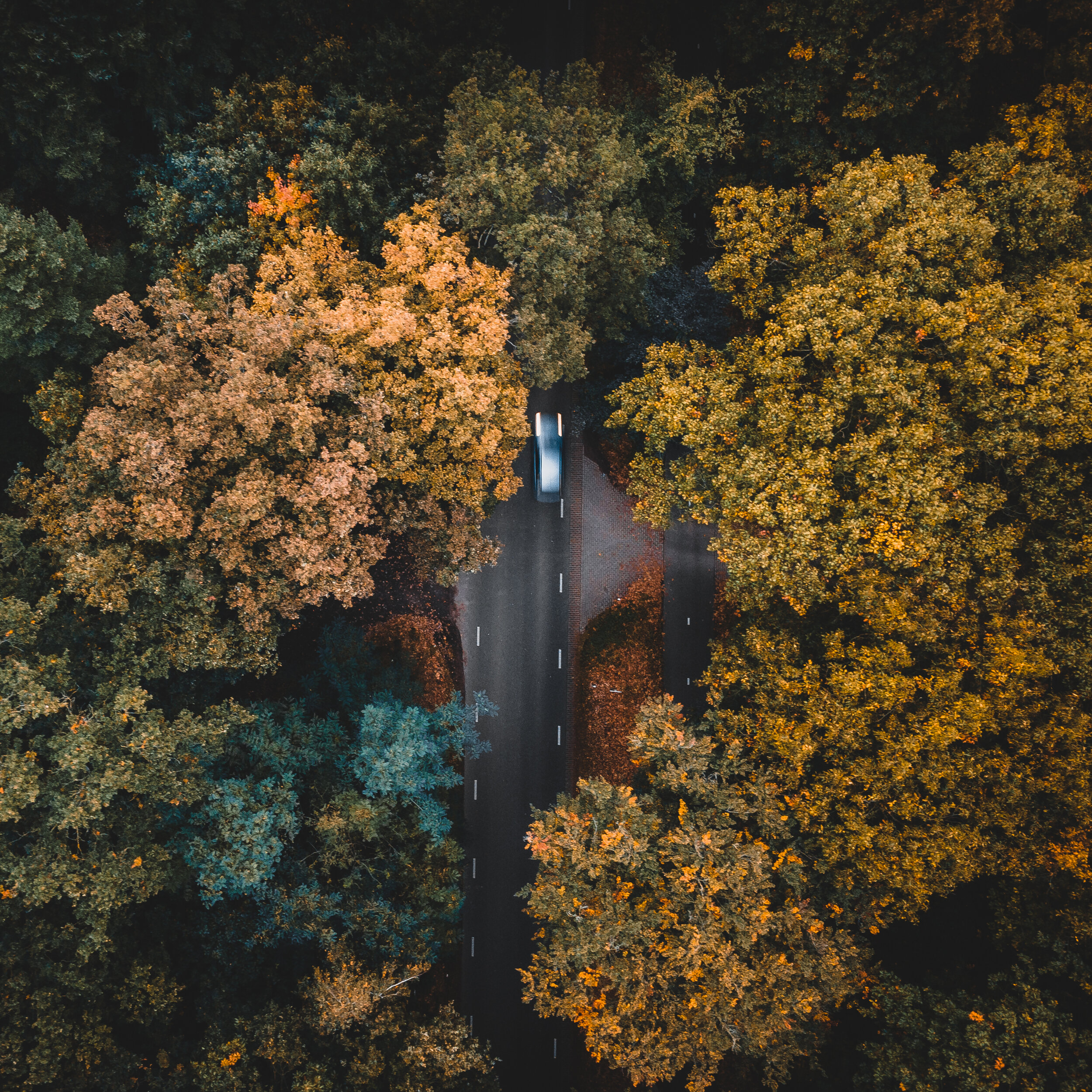
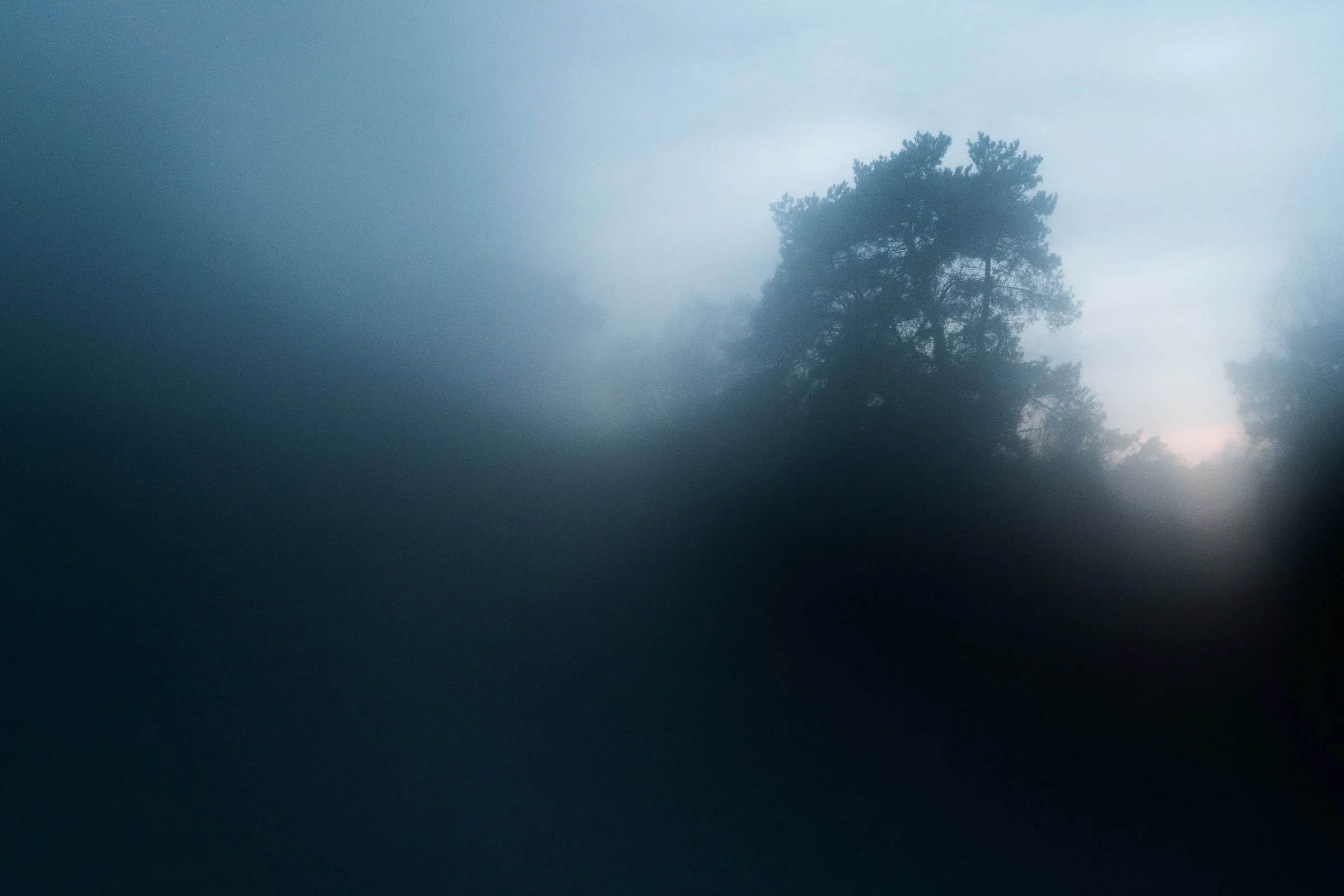
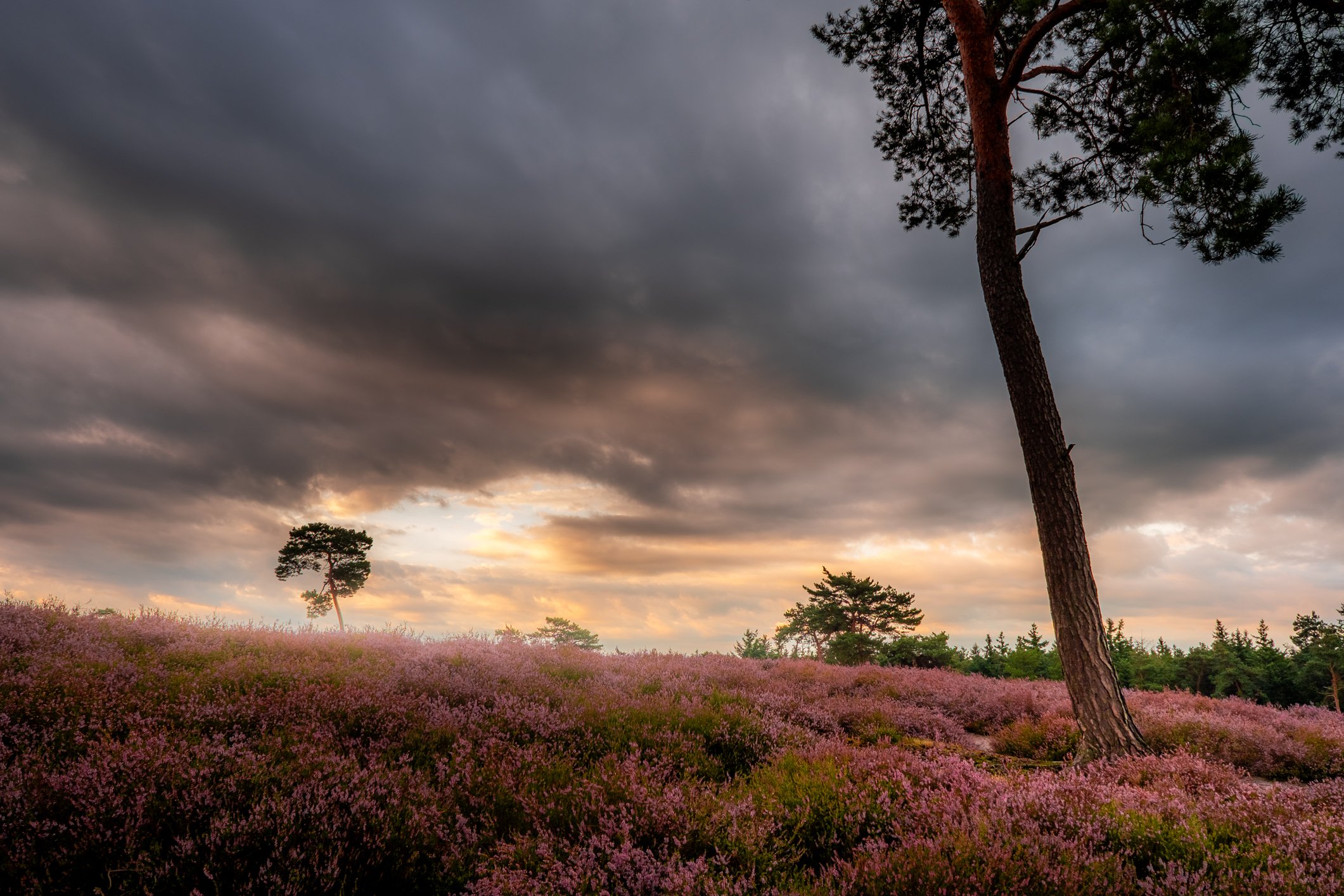
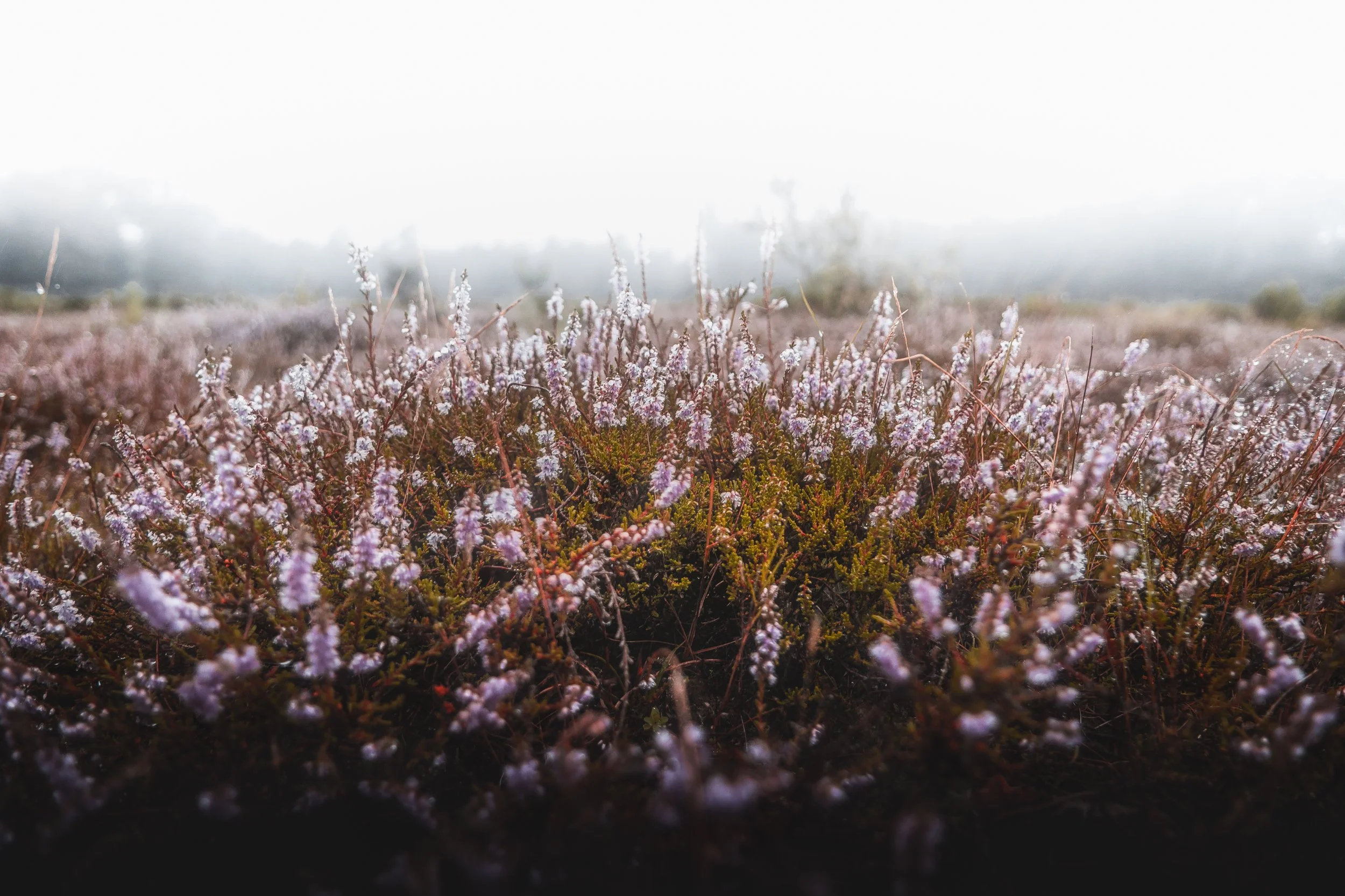
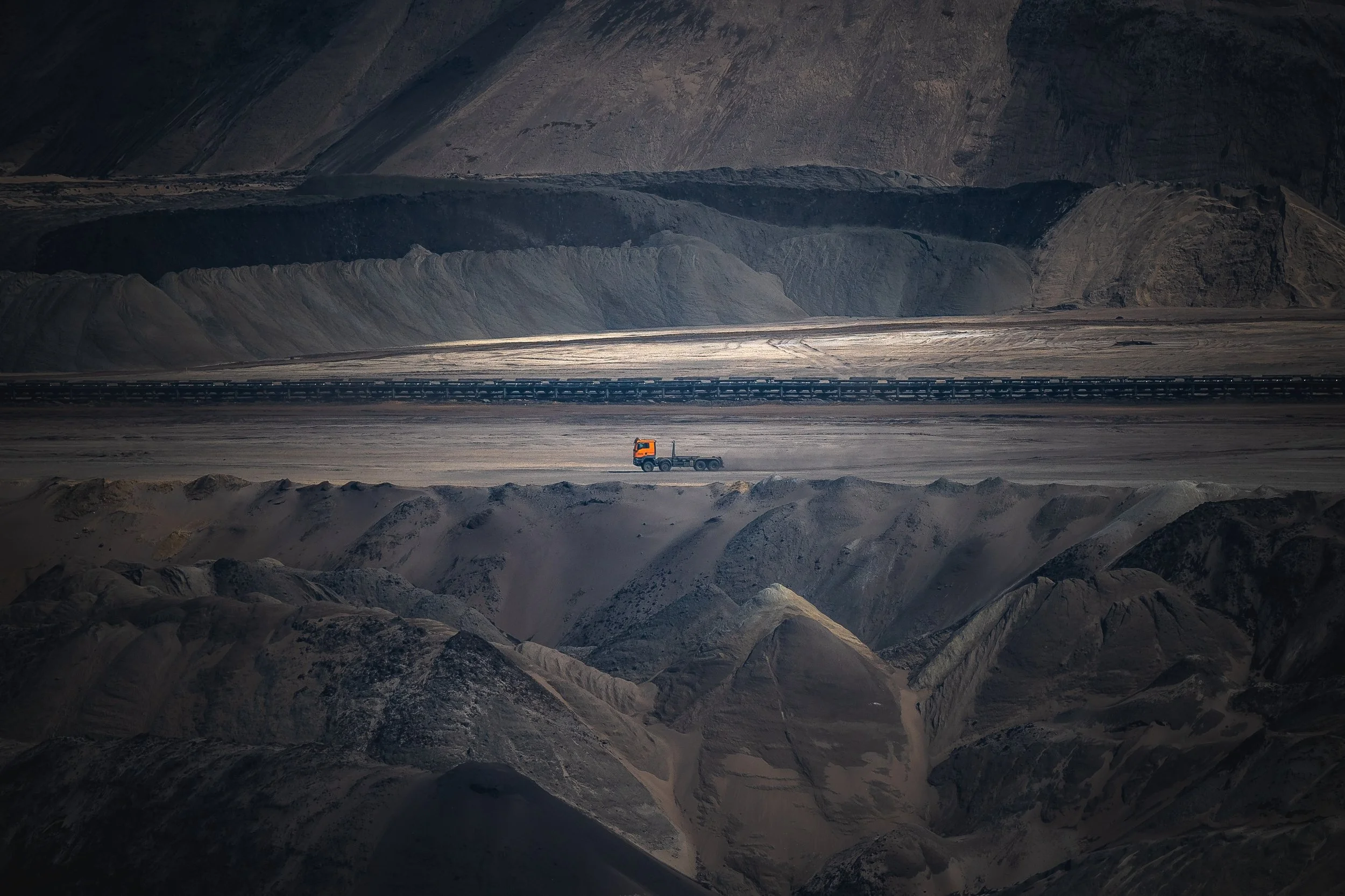
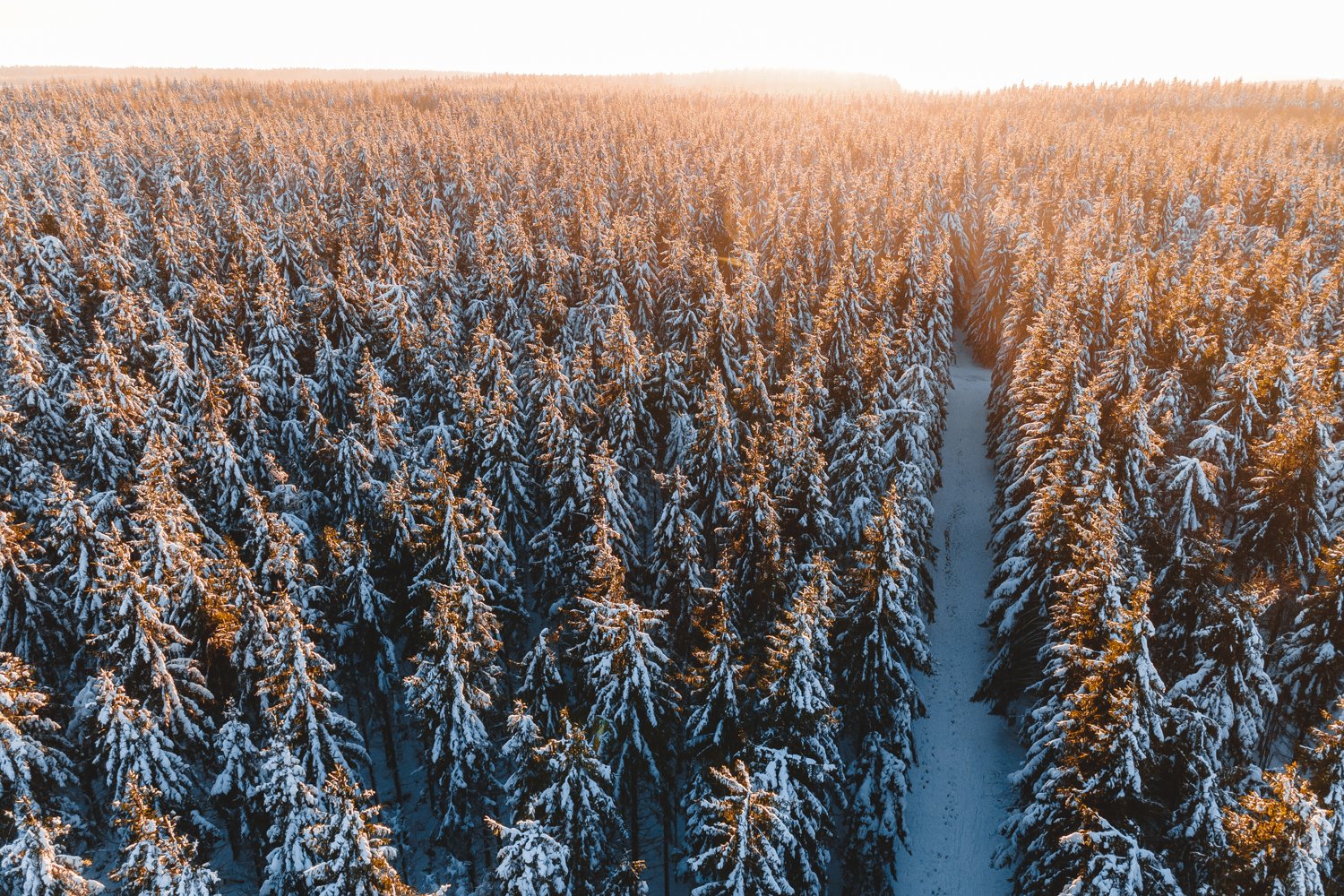
This morning I went for a session of forest photography. The autumn colors are starting to show.

But for this shoot I went and only used my drone this time. Trying to find and shoot some compositions from beneath the treetops and a little lower to the ground. It was quite dark here and there still. Since I was out in the early morning. Luckily my DJI Mavic Air 2 shoots decent HDR images. So I went and took a 5 bracket shot, and merged them in Lightroom on the computer in post processing. This gave me a larger dynamic range towards the challenging lighting conditions.

Thanks for checking out my blog, and website. Feel free to share, that means a lot to me.
Around Patreksfjörður, Iceland

Patreksfjörður is a fishing village, with about 650 inhabitants, located on the north side of the eponymous fjord. It is one of the oldest trading posts in the Westfjords. In this fjord the first potatoes were grown in Iceland in the 18th century. The main source of existence in Patreksfjörður is the fish processing industry. But tourism also plays an increasingly important role, the beauty of the region attracts many tourists. This is not surprising, because the fishing village has gems such as the Látrabjarg cliffs, Rauðasandur beach and the Dynjandi waterfall nearby.

Garðar BA 64

Just outside of Patreksfjörður there is quite an interesting site. A Shipwreck. This Icelandic ghost ship, the ‘Gardar BA 64’ is the oldest steel ship from Iceland. It was built in 1912 by a Norwegian shipyard and used for whaling in the Icelandic waters. The ship has been beached for years and is now a rusting ruin. 

The ship, originally known as the ‘Globe IV’ was a state-of-the-art whaling vessel. The hull was specially reinforced to break through the icy Southern seas. During its active lifetime it was sold around to a number of different countries before finding an Icelandic owner in 1950. It was renamed ‘Garðar’ and it was used or fishing herring.

In 1981 the ship stranded at Patreksfjörður, one of the fjords in the north-west of the country. In fact the ship it is still there today. The Icelandic ghost ship is slowly rusting away.


Látrabjerg

Perhaps one of the best known places in The Westfjord area is Látrabjerg. About an hours drive from Patreksfjörður, well that is if you have a decent car for the trip. The road out there can be quite bad and rough. A 4x4 or bigger SUV is ideal for this road.

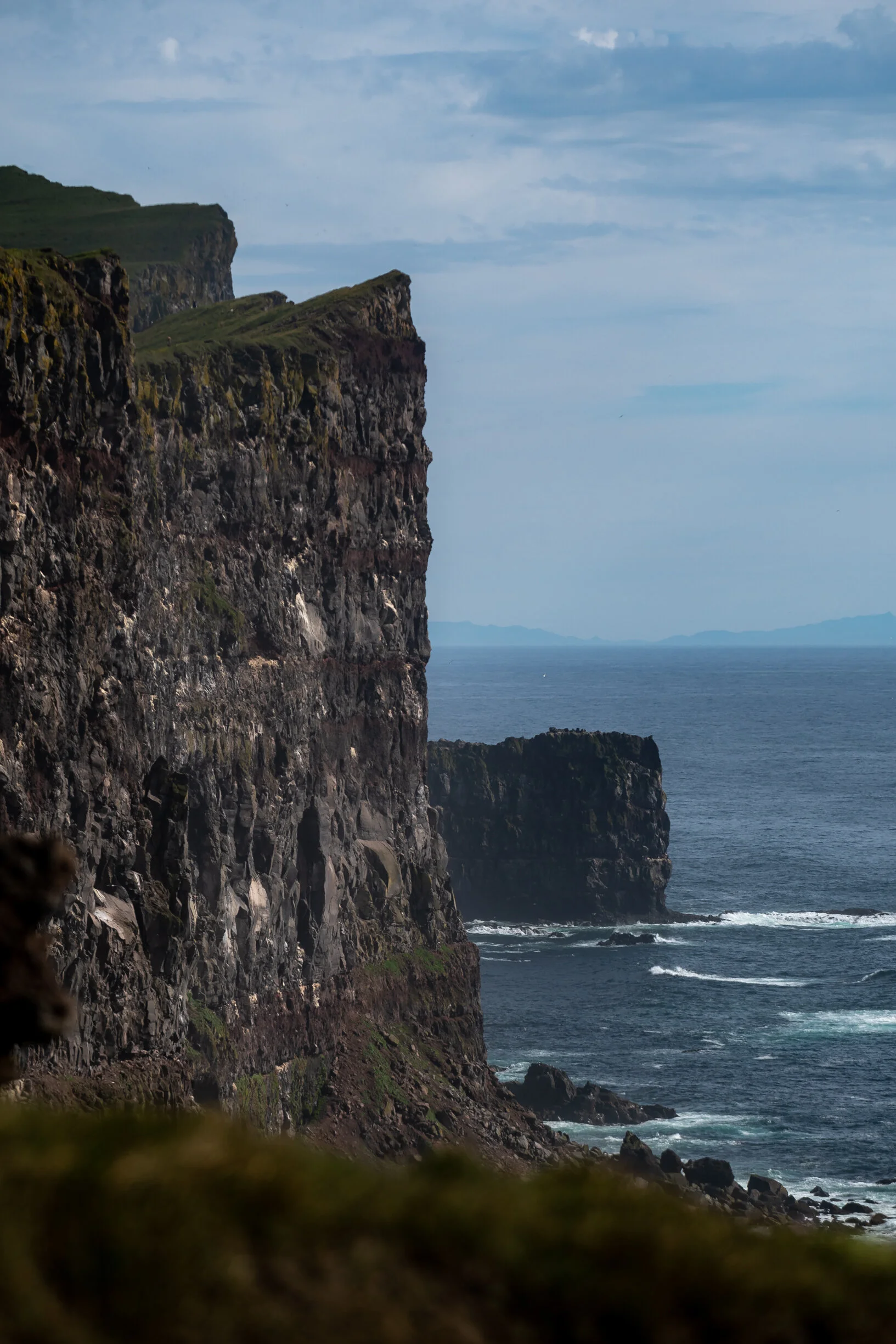
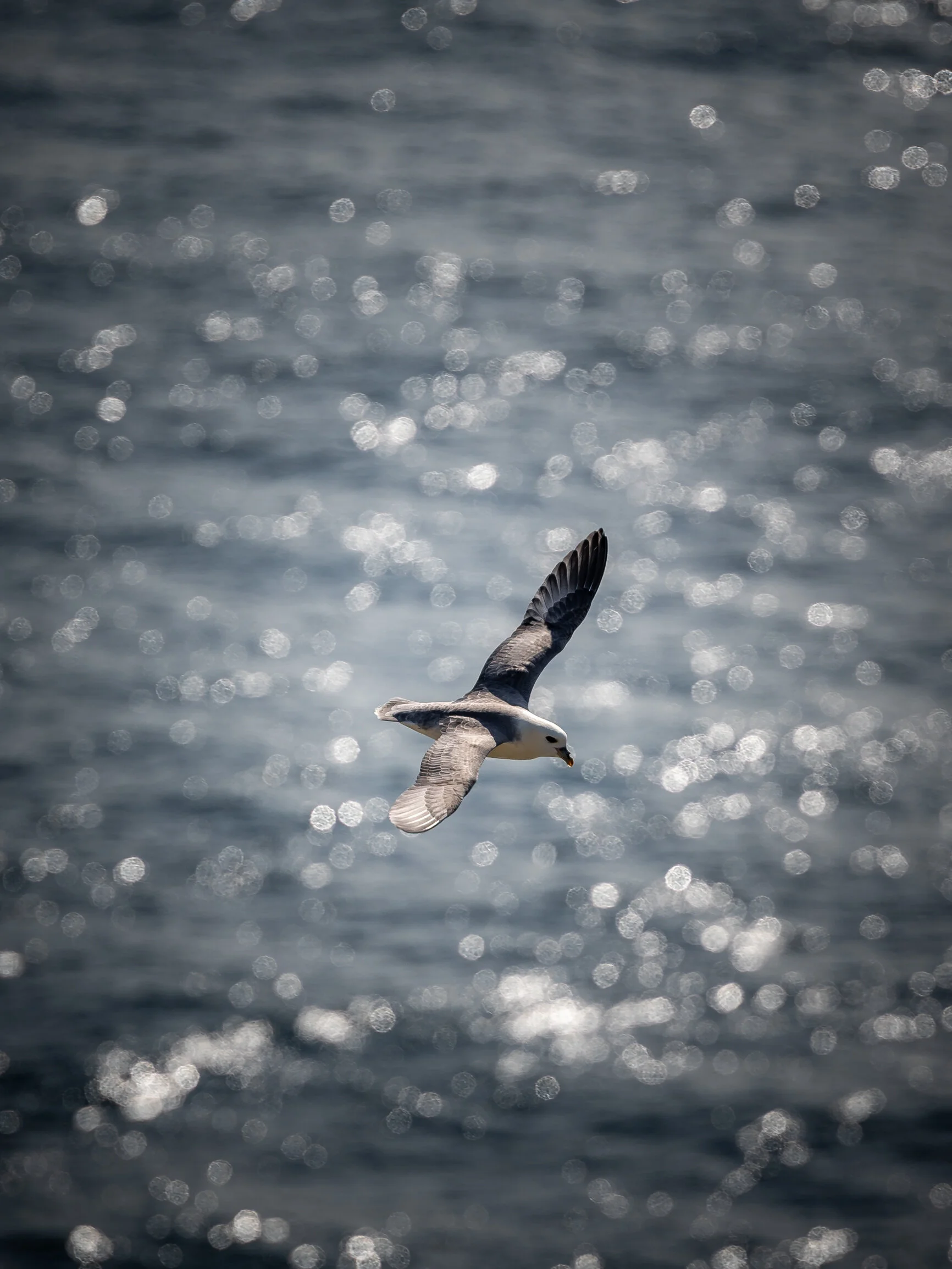
Látrabjarg is a headland, cliff and the most western part of Iceland and is also seen as the most western part of Europe (ignoring some islands of the Azores). The cliffs are inhabited by millions of birds, including puffins, gannets, guillemots and razorbills. It is of vital importance for their survival as it is home to up to 40% of the world's population of some species such as the razorbill. It is Europe's largest bird cliff, 14 kilometers long and up to 440 meters high.


Hjnótur

The previous farmer of the farm Hnjotur, Egill Olafsson († October 25th 1999) spent a large portion of his life collecting various items and articles of local and national historical importance for his museum. His interest and emphasis was for many reasons oriented towards the aviation history of the country. This museum is among the most interesting in the country and well worth the visiting. The museum also has very interesting setups from local history. Where can you see an old Viking ship, Russian airplane, a preach preparing to burry, old technology a lot of other things in the same little museum.

Dynjandi

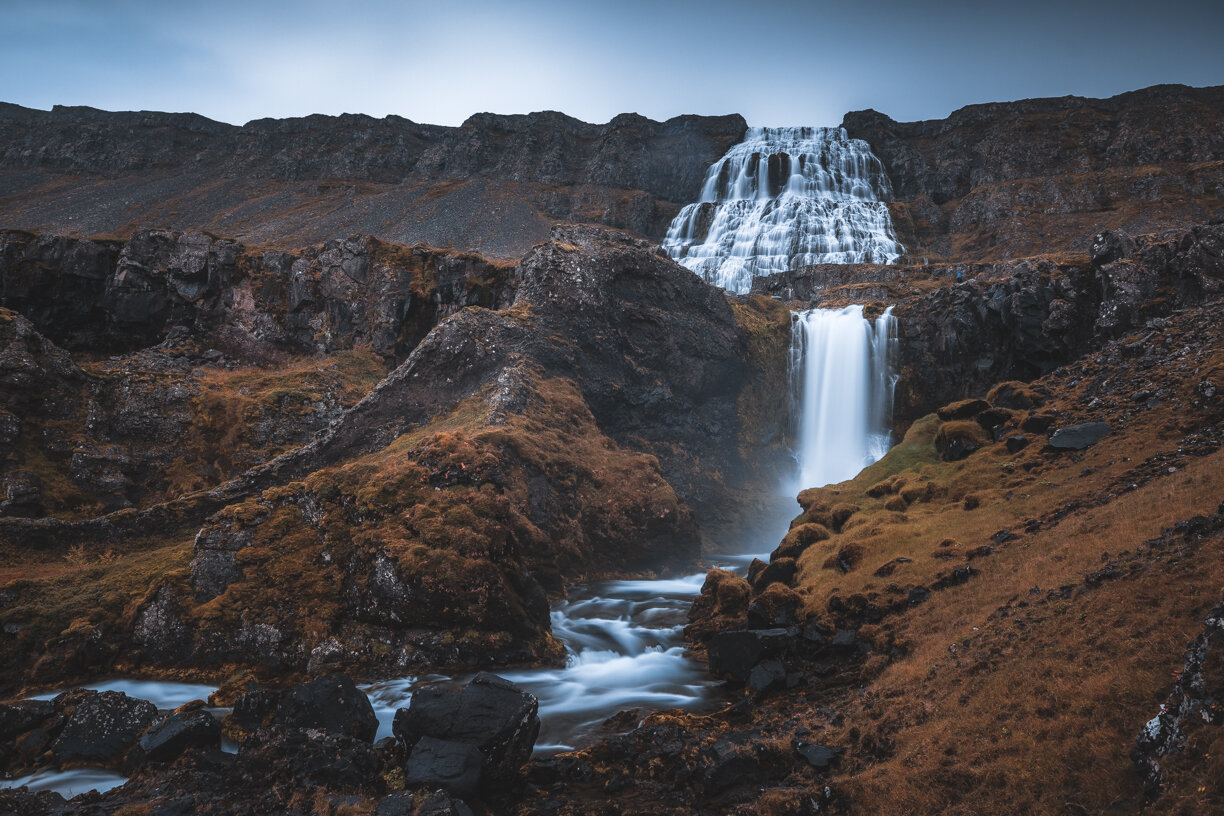
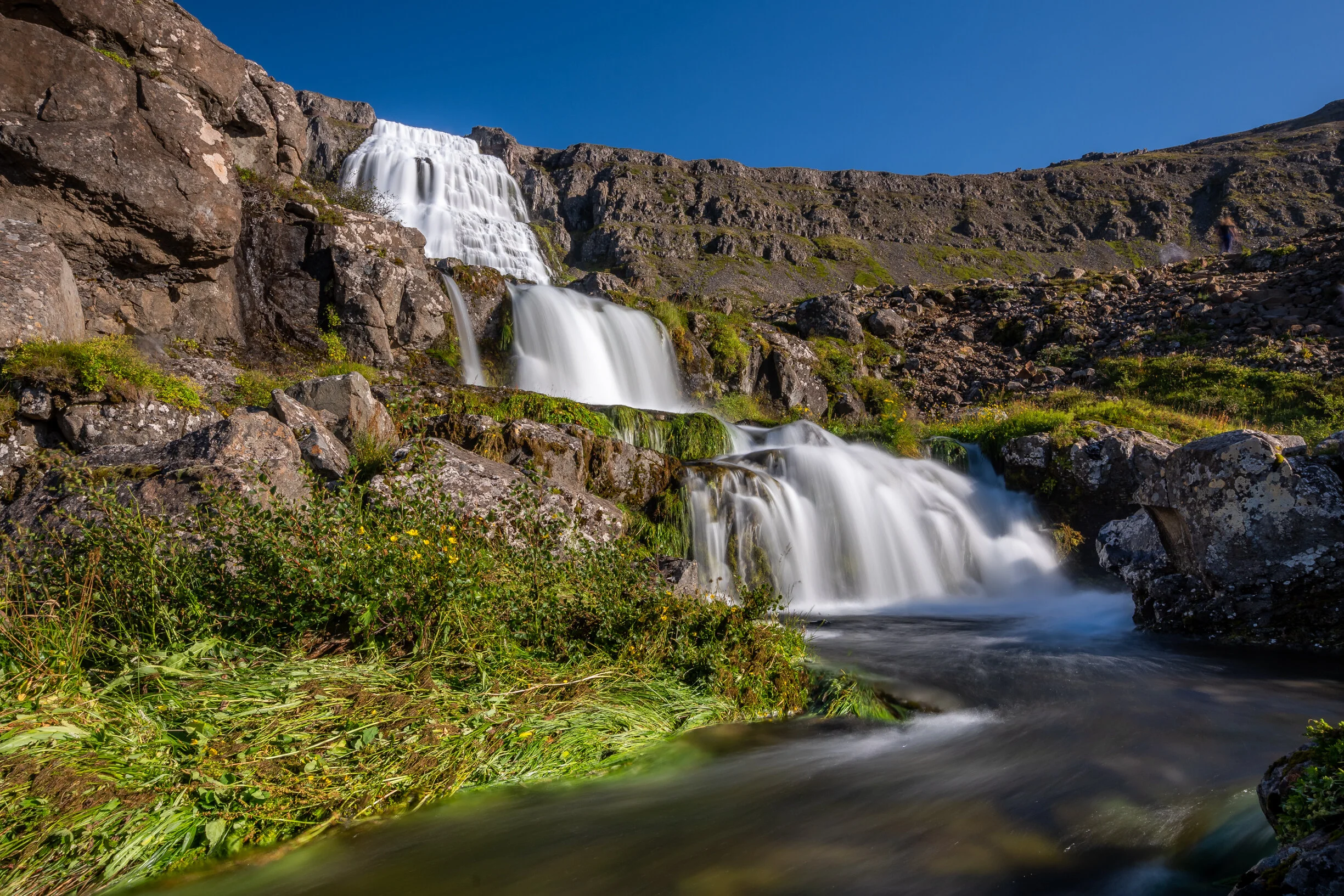
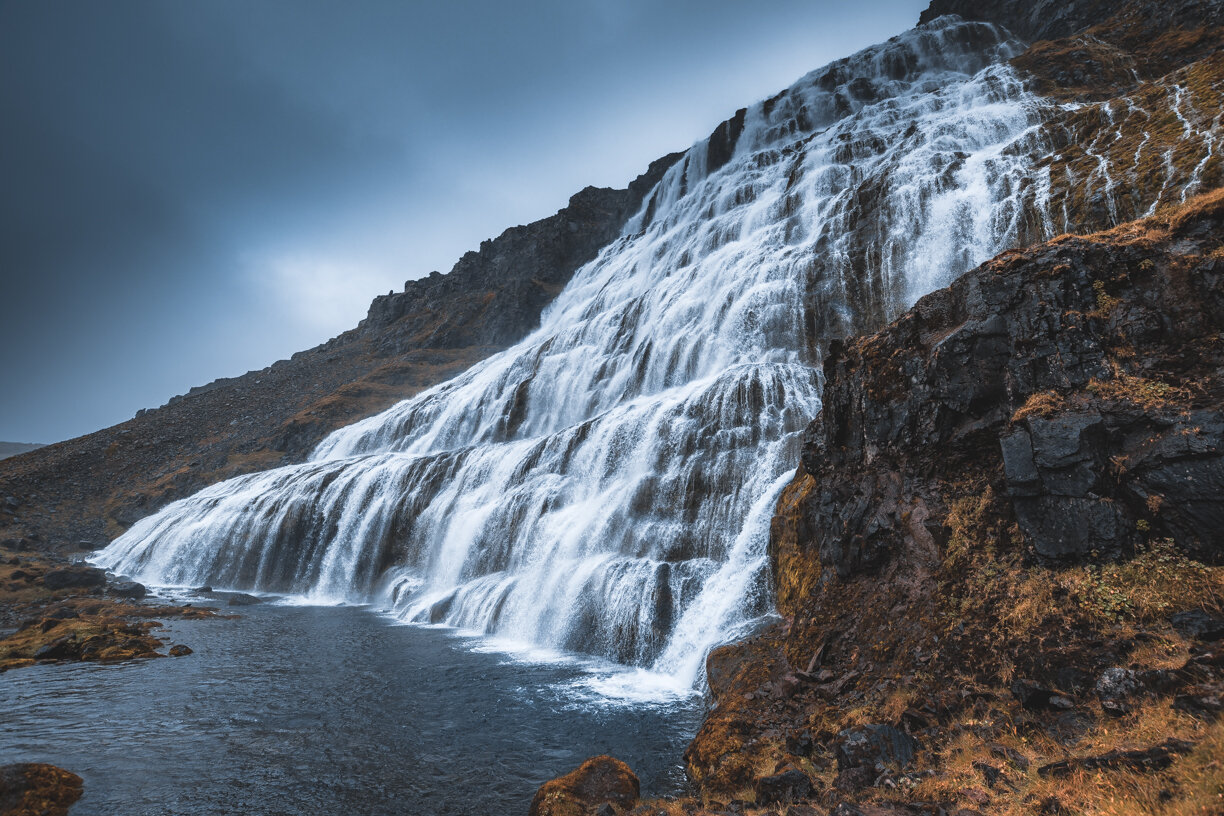
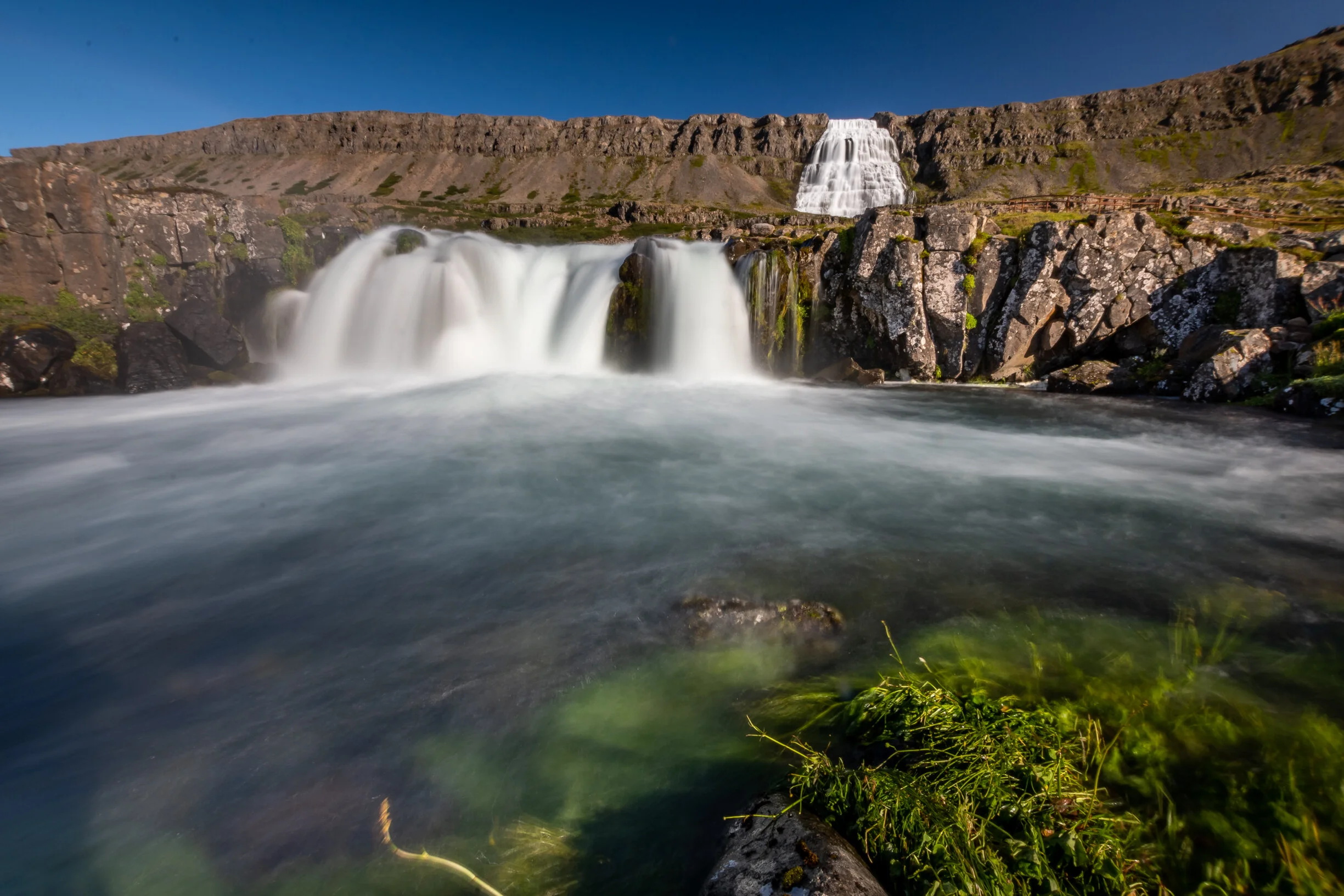
Driving up north from Patreksfjörður will get you to the amazing Dynjandi waterfall(s). It is about a 1,5h drive one way. Water flows from the Dynjandisheiði plateau into the Dynjandisá river and then cascades down into the Dynjandi waterfall, also called Fjallfoss. The Dynjandi is the largest waterfall in the Westfjord area of Iceland. And it is a stunning location to spend some time photographing, and admiring the natural beauty and raw power of mother nature.

The waterfall is no less than 100 meters high, 30 meters wide at the top and about 60 meters wide at the bottom. The other six waterfalls further downstream are the Hæstahjallafoss, the Strompgljúfrafoss, the Göngumannafoss, the Hrísvaðsfoss, the Hundafoss and finally the Bæjarfoss. There is a footpath from the parking lot to the waterfall.

Thank you for checking out my blogpost, feel free to share this on your social media. And leave me a comment and a like. I am always looking forward to connect with my followers.

Video: The Old Bookstore, Flateyri, Iceland

The Old Bookstore, "Gamla Bókabúðin" in Icelandic is located in the charming Westfjords village of Flateyri. Eyþór Jóvinsson runs the bookstore, founded by his great-grandparents in 1914. He is the fourth generation to run the family business.

The Old Bookstore has been turned into a museum where the history of the village is displayed. Visitors can also buy second hand books and visit the old merchant’s home.

The owner Eyþór, is a good friend of mine. He also runs the Iceland Comedy Film Festival that I’ve photographed a couple of times before. And a couple of years ago I was the behind the scenes photographer for a shortfilm production Eyþór was working on.

My first visit to Iceland was back in the summer of 2016, and that is where I did meet Eyþór for the first time. In his bookstore. Now after a few years have passed I have been to Iceland for about 8 times. Many of these visits were collaborating and meeting up with my good friend Eyþór. Safe to say that I am very grateful for him working with me. And therefore I thought this video was a nice way and gesture to say “thank you my friend”

There is an Icelandic version from back in 2015 of this video on Youtube, filmed by Visit Westfjords, which you can see here. Behind the scenes photographs by Tom Reinders

The Old Bookstore seen from the harbor. The store is on the right, and on the left is the apartment.

The beautiful town of Flateyri, my all time favorite place in Iceland without a question.

Wehebachtalsperre, Germany

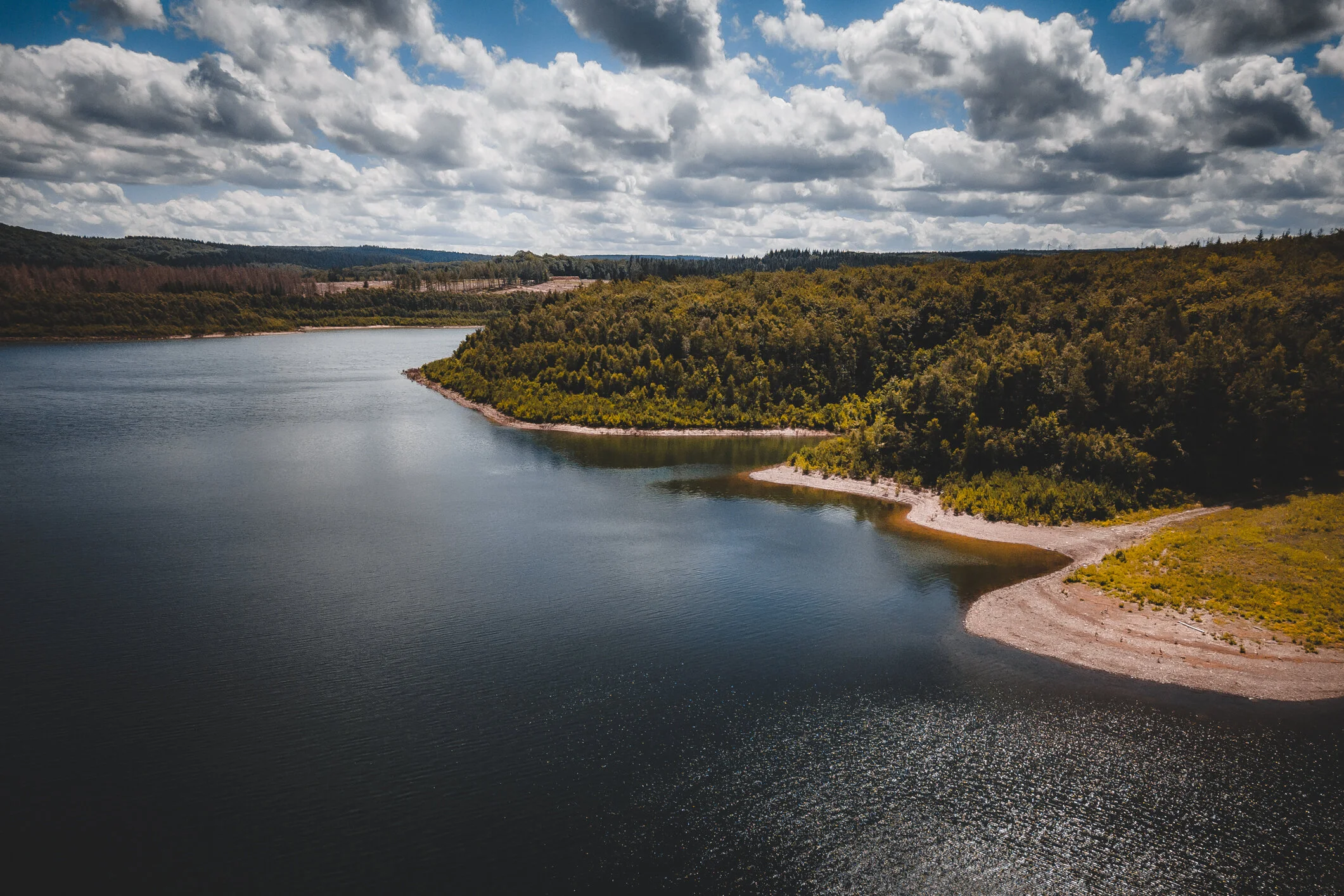
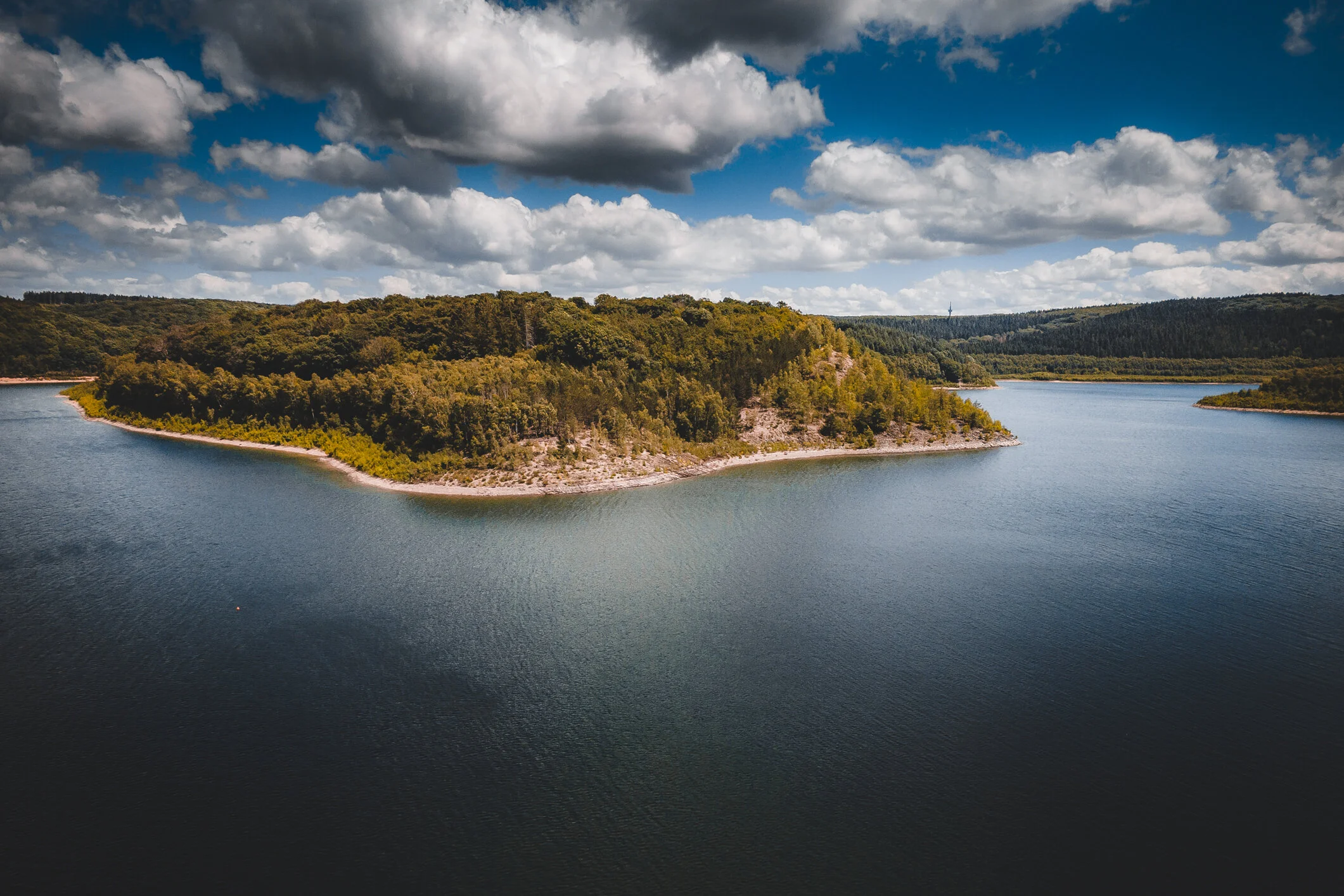
The Wehebachdam in Germany in the municipality of Hurtgenwald is the third largest and probably the most original dam in the northern part of the Eifel. It offers hikers a variety of hiking trails and a spectacular way to experience water. It is easy to reach from the towns. The Wehebach dam has been operated since 1983 and became a building for flooding and drinking and industrial water supplies.

There are strict protection rules. For this reason some area in and around the dam are fenced off, and are not reachable at all. This means that the nature can develop undisturbed.

This is a drone photo looking north, with the water extraction tower in the bottom left.

The reservoir of the Wehebachtalsperre has three arms: in the west the valley of the red Wehebach, in the east the valley of the Wehebach (also called white Wehe) and in west-east axis the valley of the Thönbach

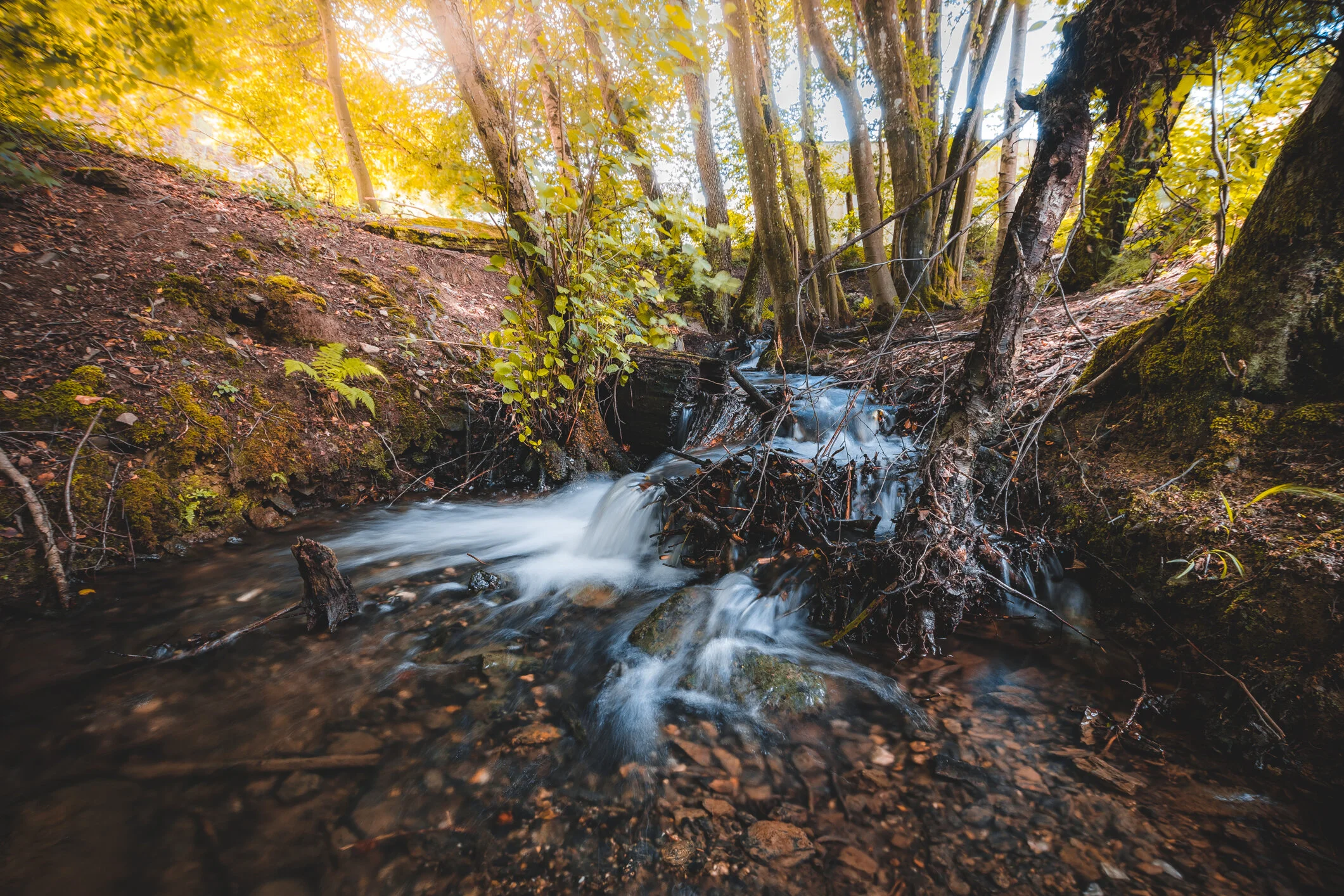
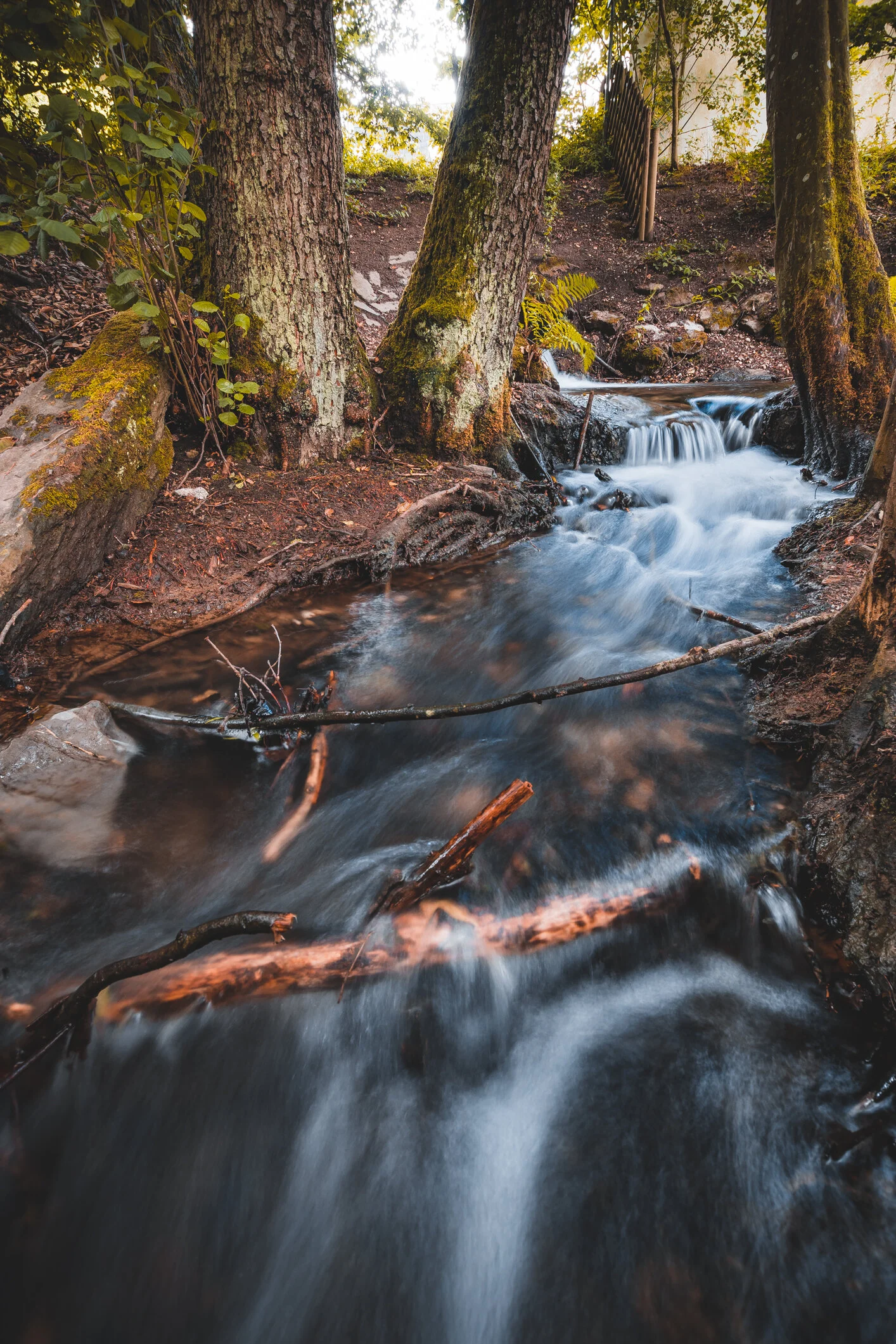
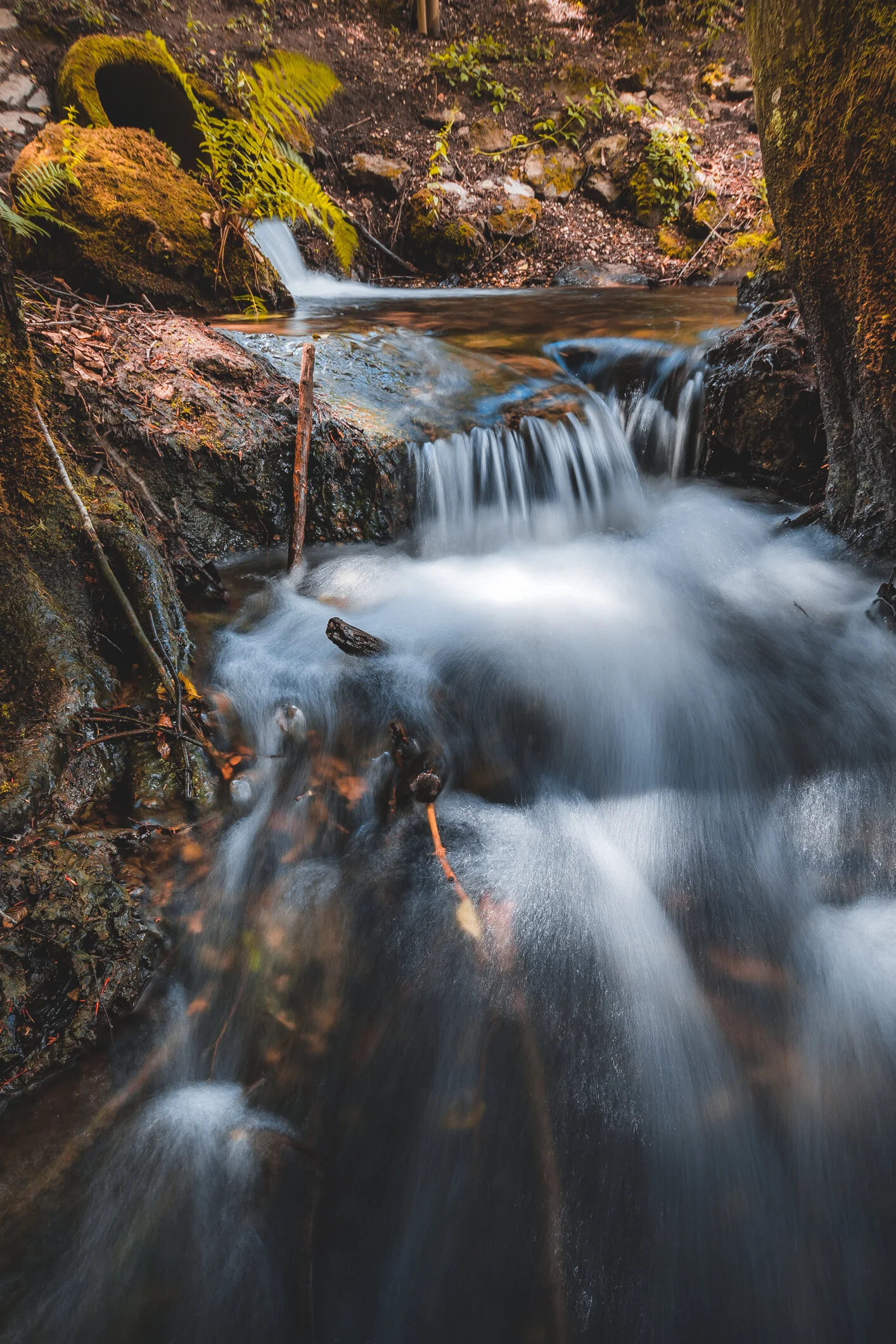
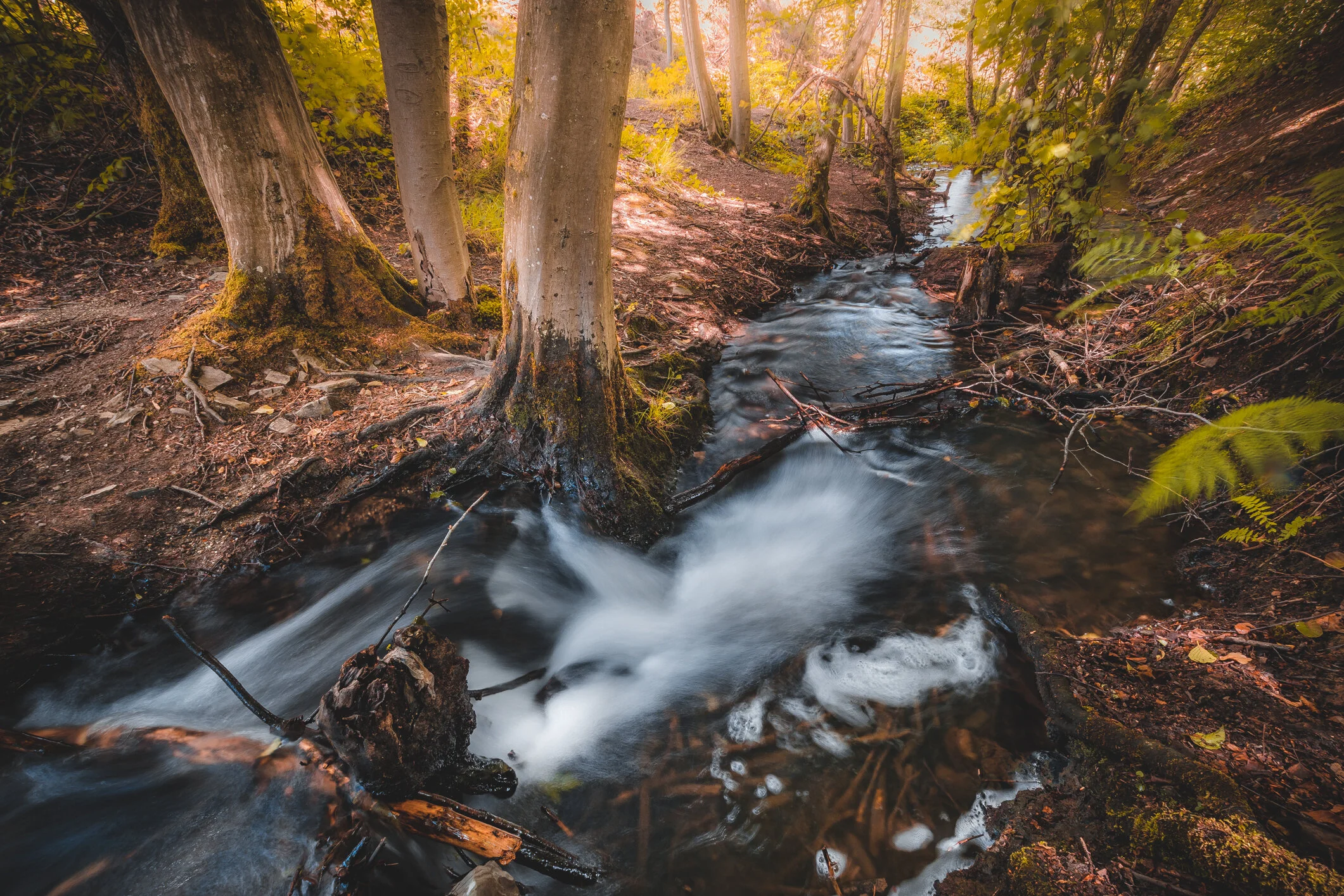
Before getting to the actual reservoir and dam I stumbled upon this little forest stream. Which was beautifully lit with some warm and just gorgeous light. So I did spend some time there shooting some typical long exposure shots and smoothing out the water in the forest stream.

Beautiful forest stream on the way to the reservoir/dam. Well worth a little stop.

For these long exposure photographs I have used Kase Filters. The K9 kit paired with the magnetic CPL, and a ND1000 for longer exposure times in the bright daylight. Find out more about Kase filter by clicking the logo


So after spending some time at this little stream, and after completing the hike I reached the reservoir.
A view over the barrier and parts of the lake is offered by an elevated vantage point directly at the dam. The only recreational activities allowed are hiking and cycling, as the lake is not open for water sports due to its character as a drinking water reservoir. Due to its location in a densely wooded area, the reservoir offers the opportunity for mainly ornithological nature observations.

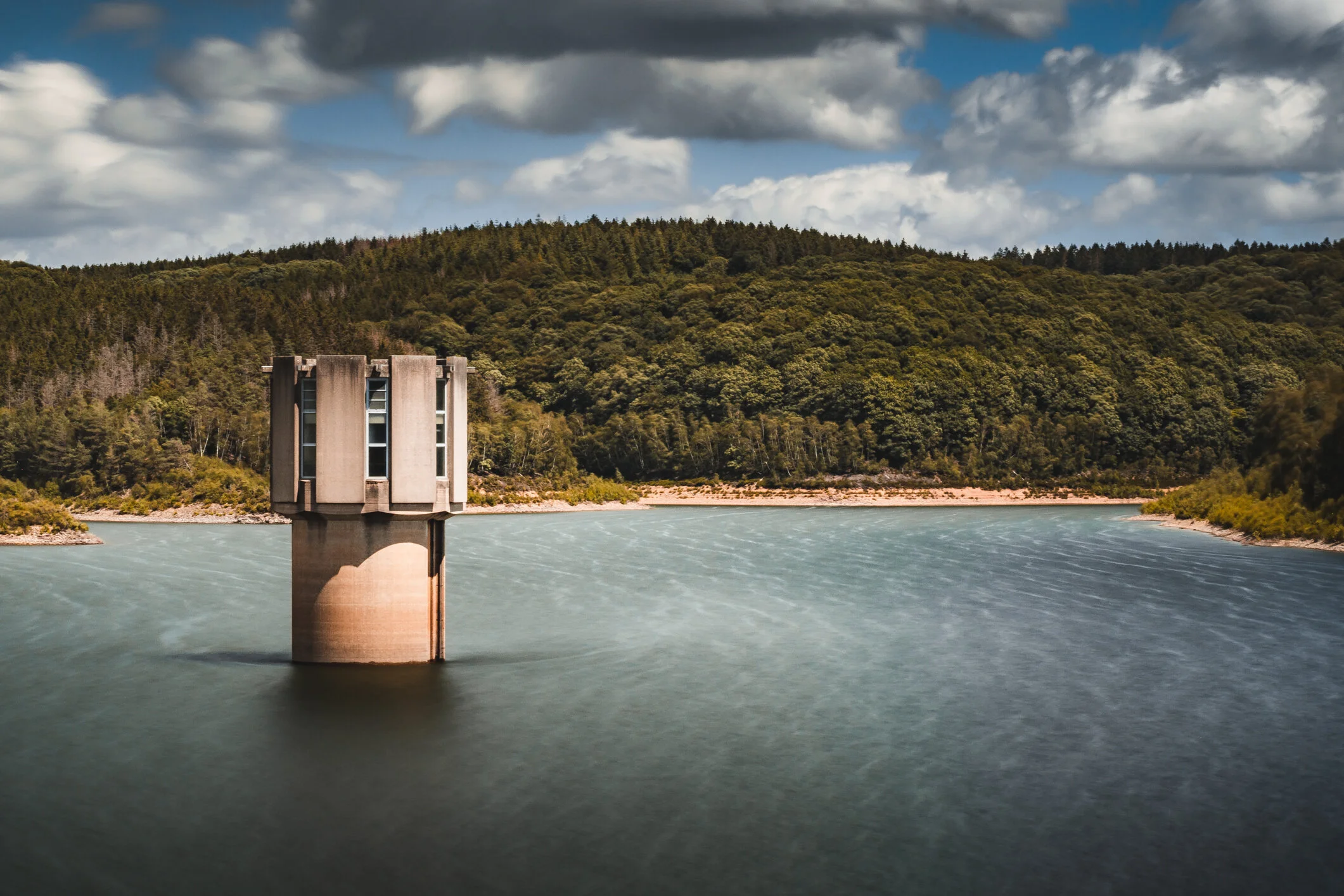
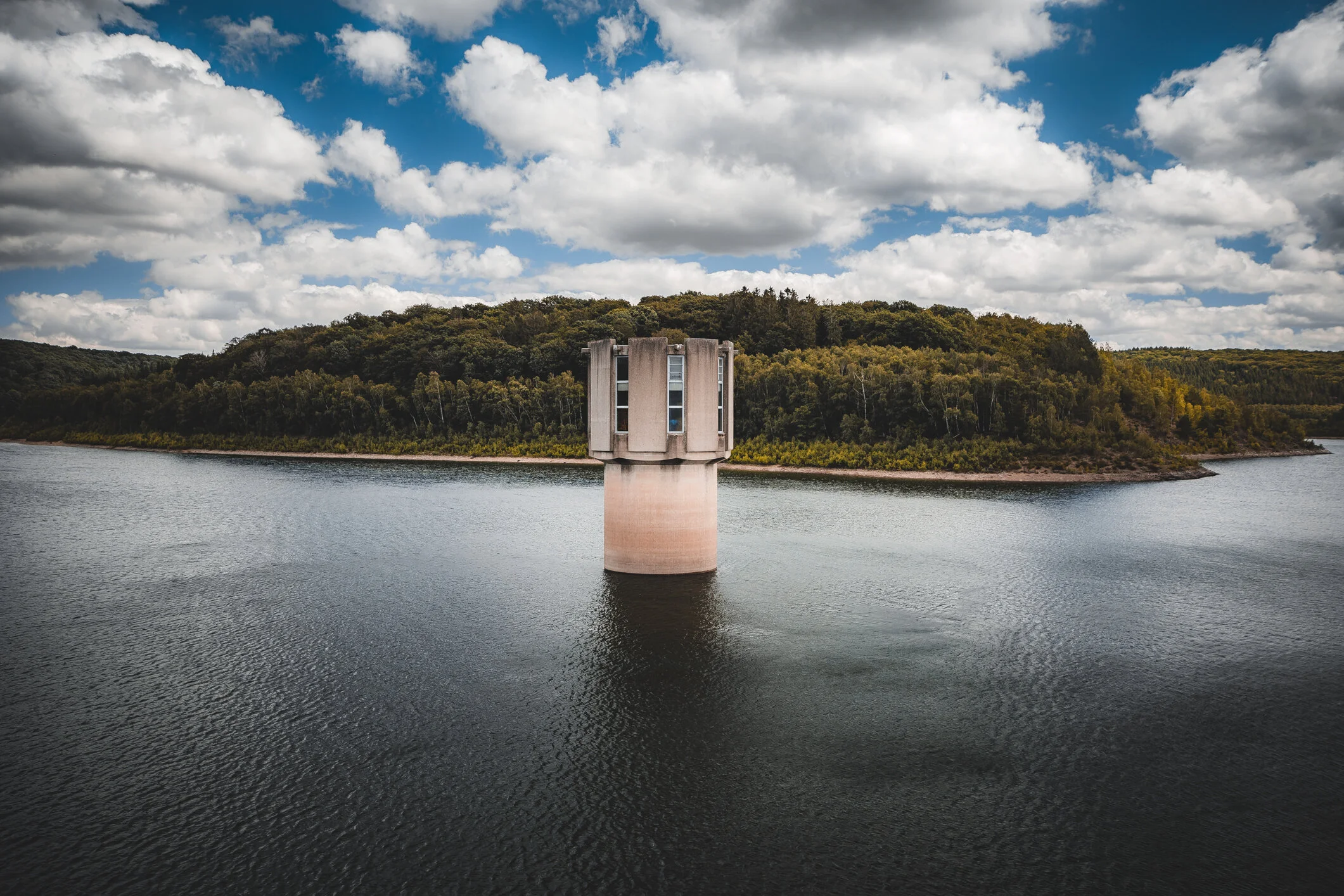
Long exposure shot of the reservoir with the water extraction tower in it.

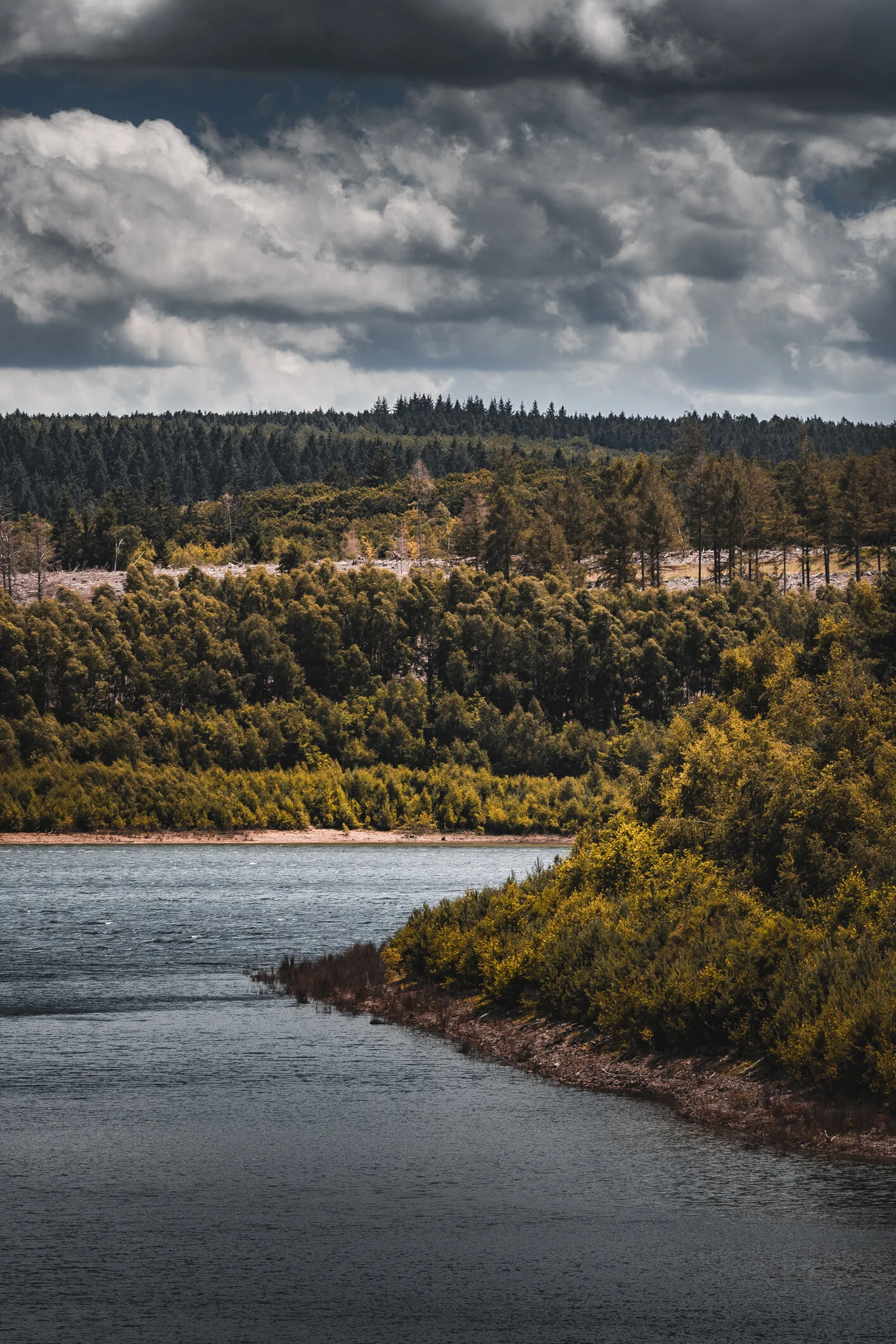
Another long exposure shot of the reservoir. It was quite windy, so the movement in the sky really helped getting this cool effect.

Since October 2011, a through-flow turbine with a nominal output of 0.053 MW has been operated for energy recovery. It is located in the outlet structure of the dam. With a flow rate of 100 to 200 litres per second, the annual consumption of up to 100 households can be covered

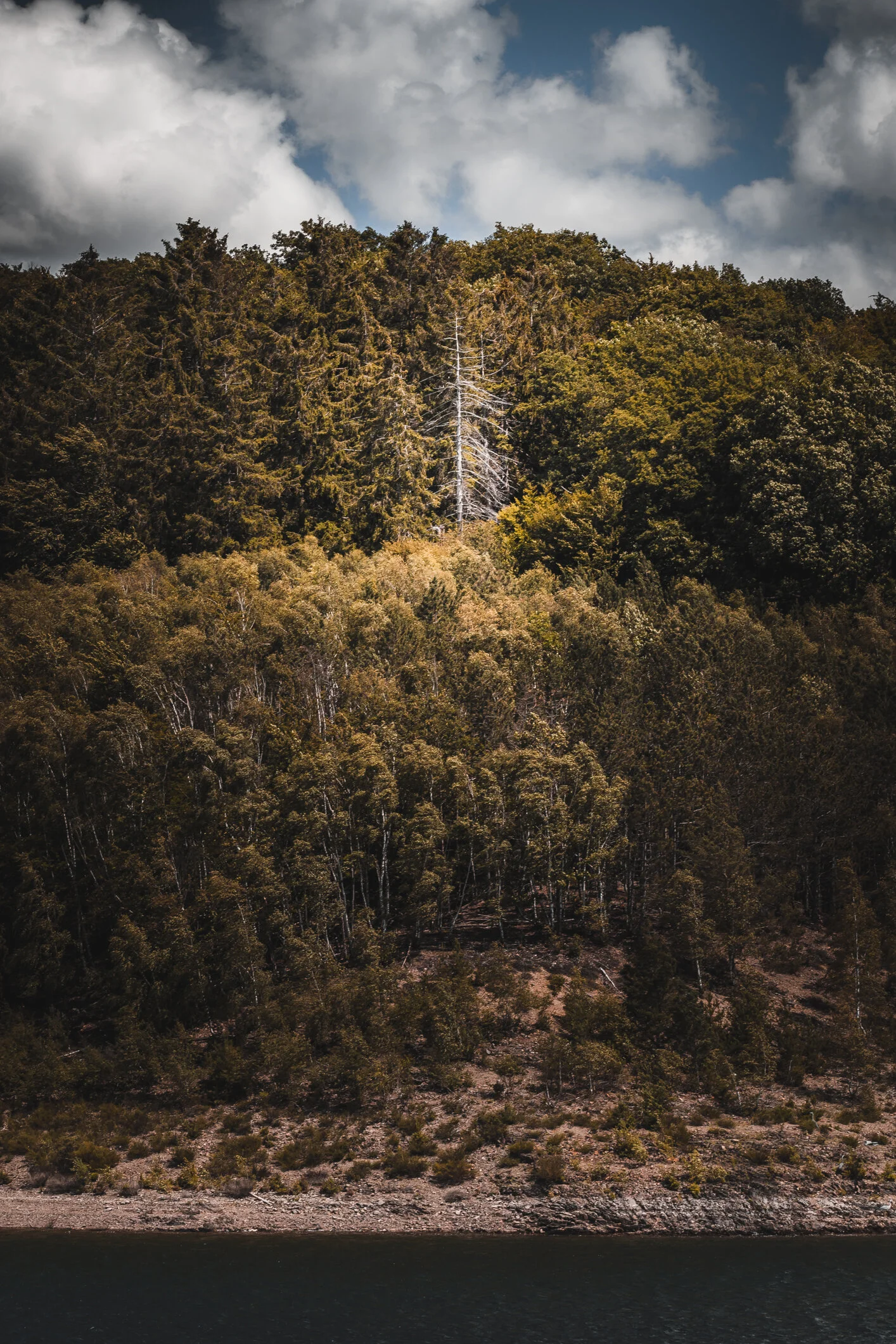
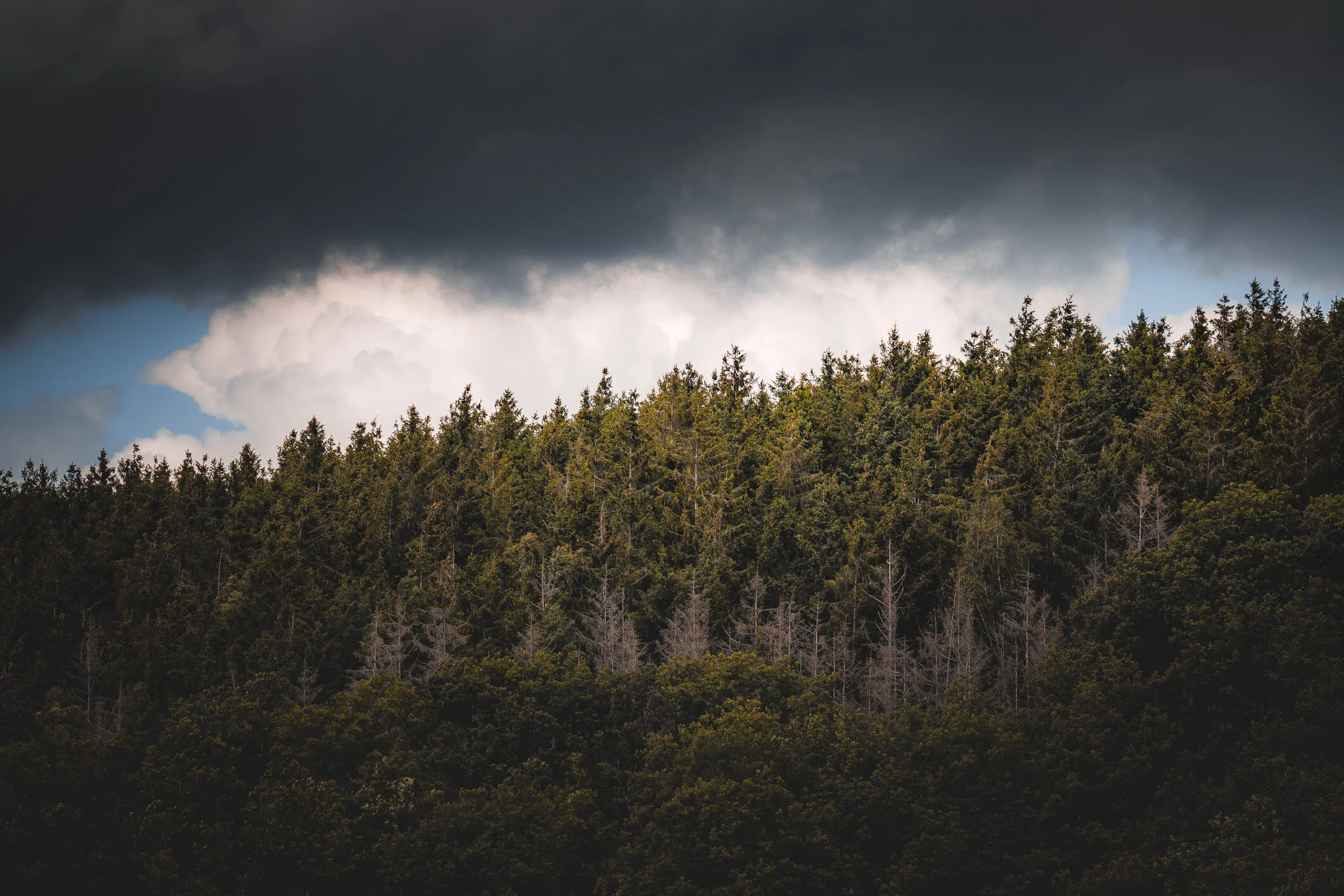
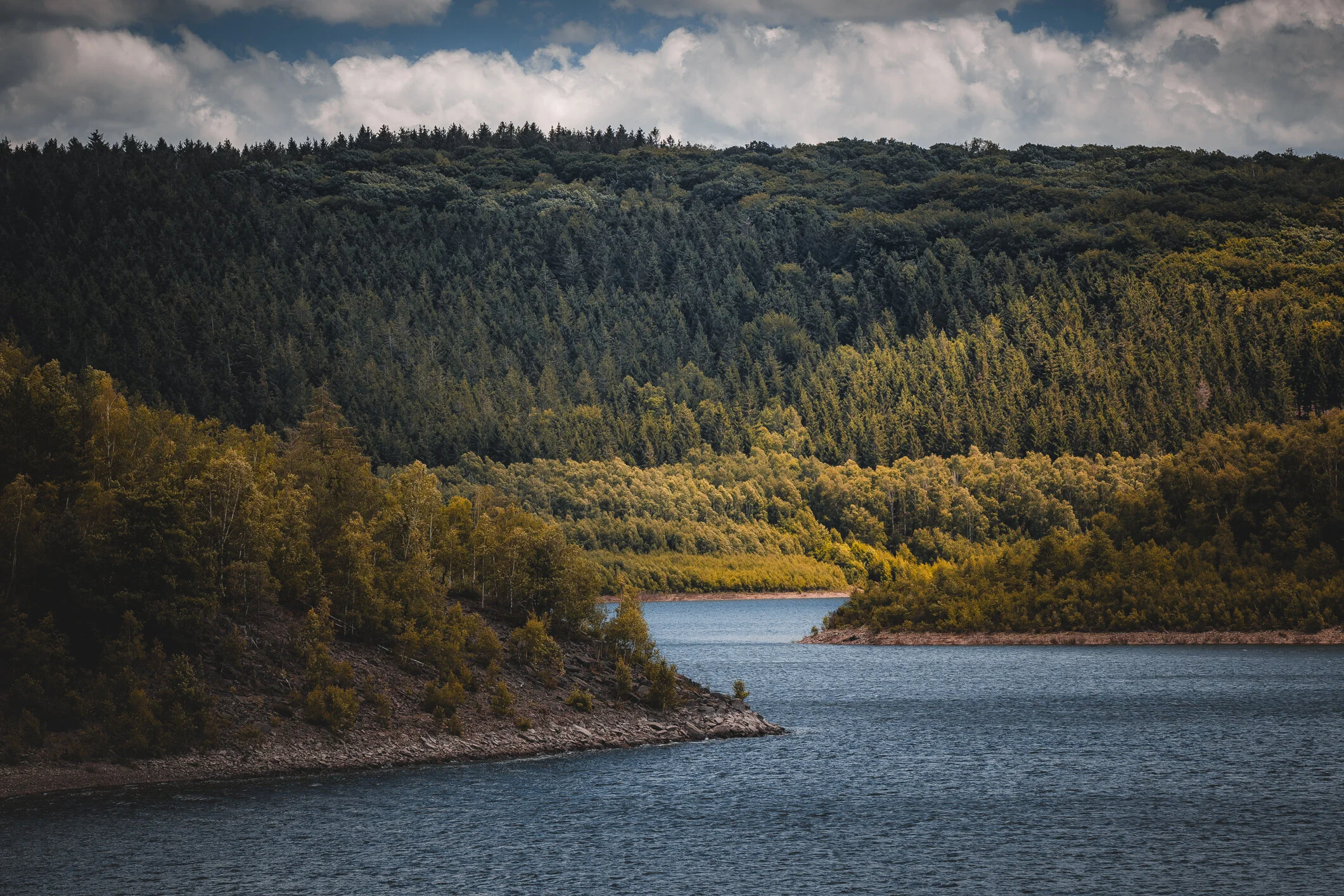
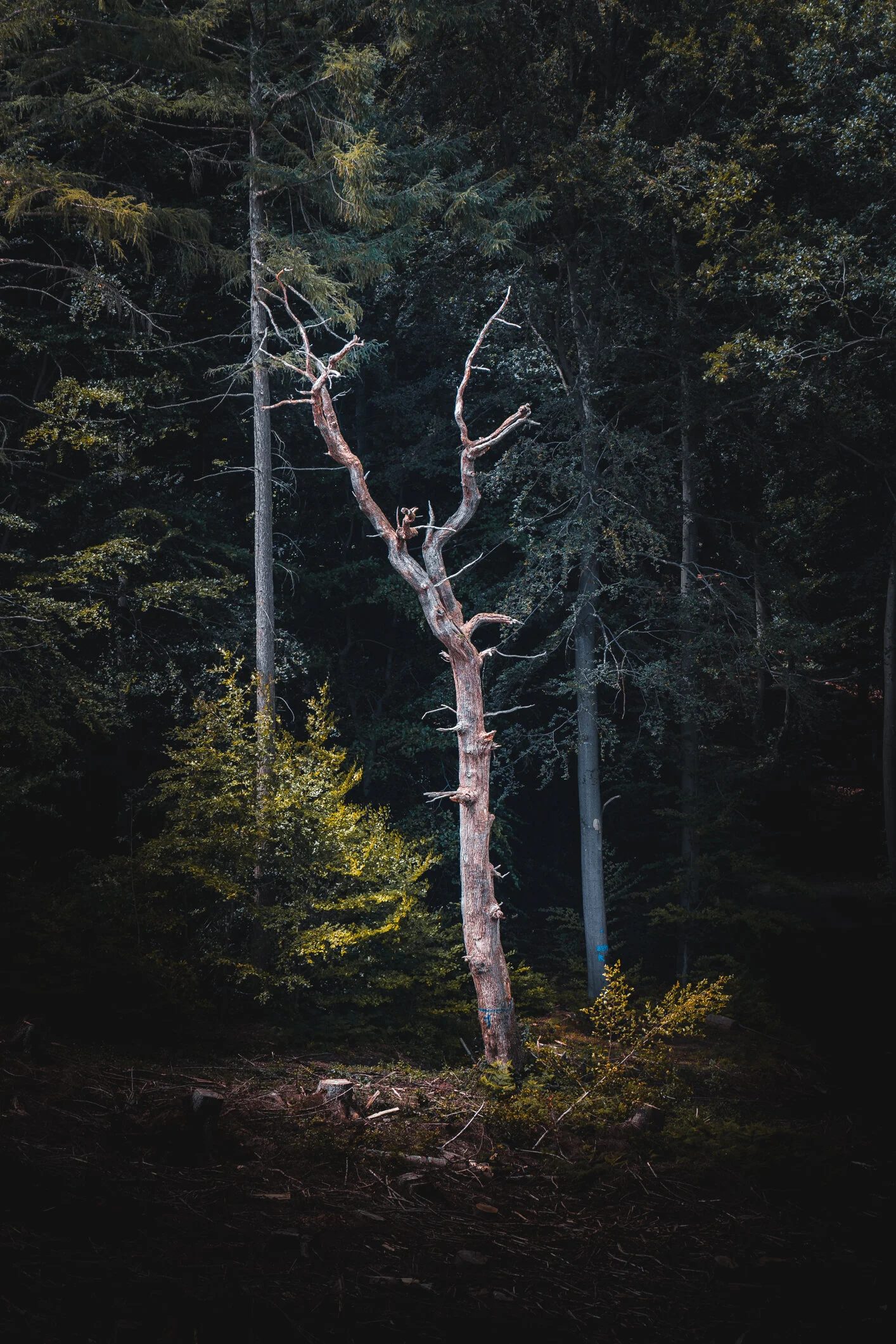
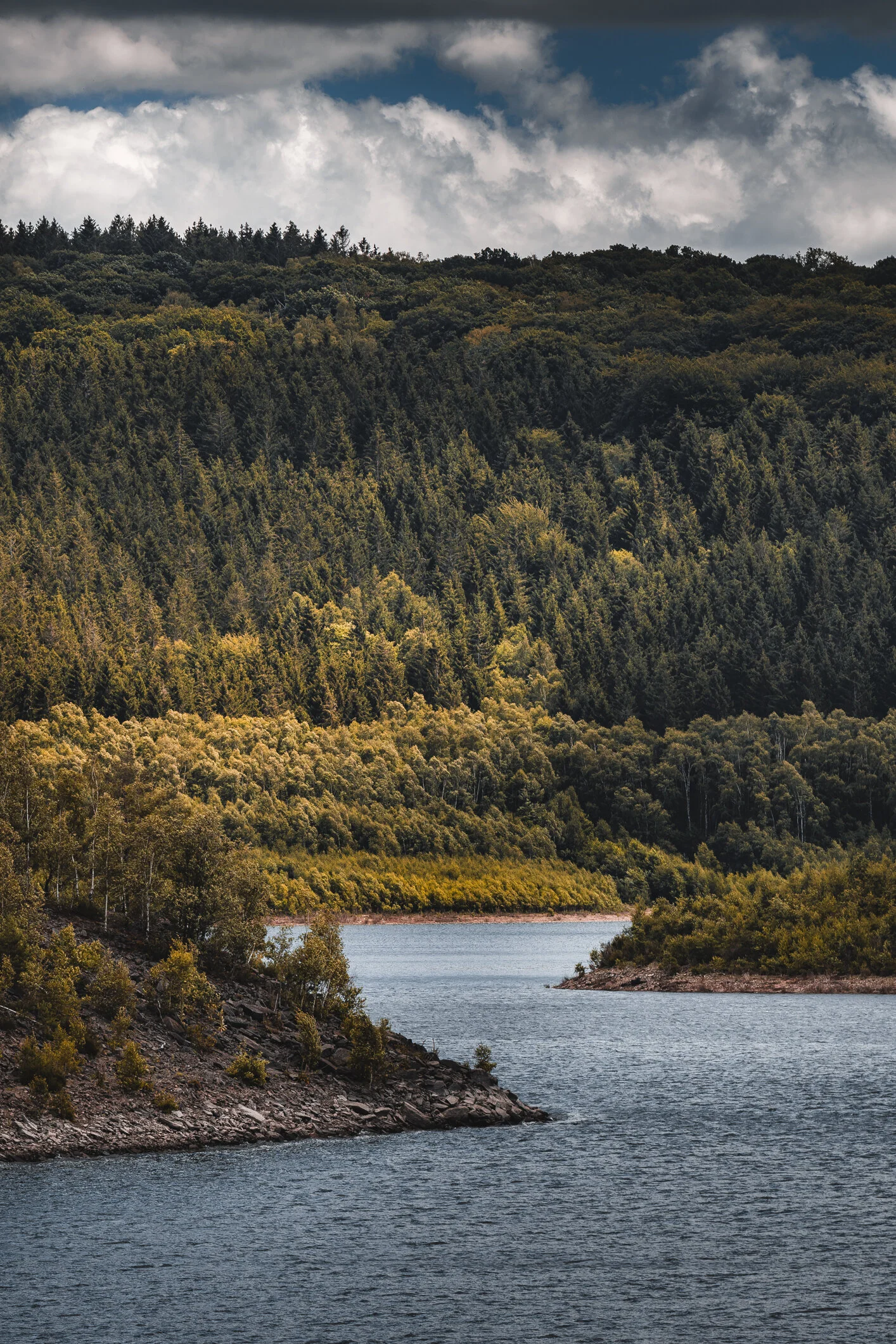
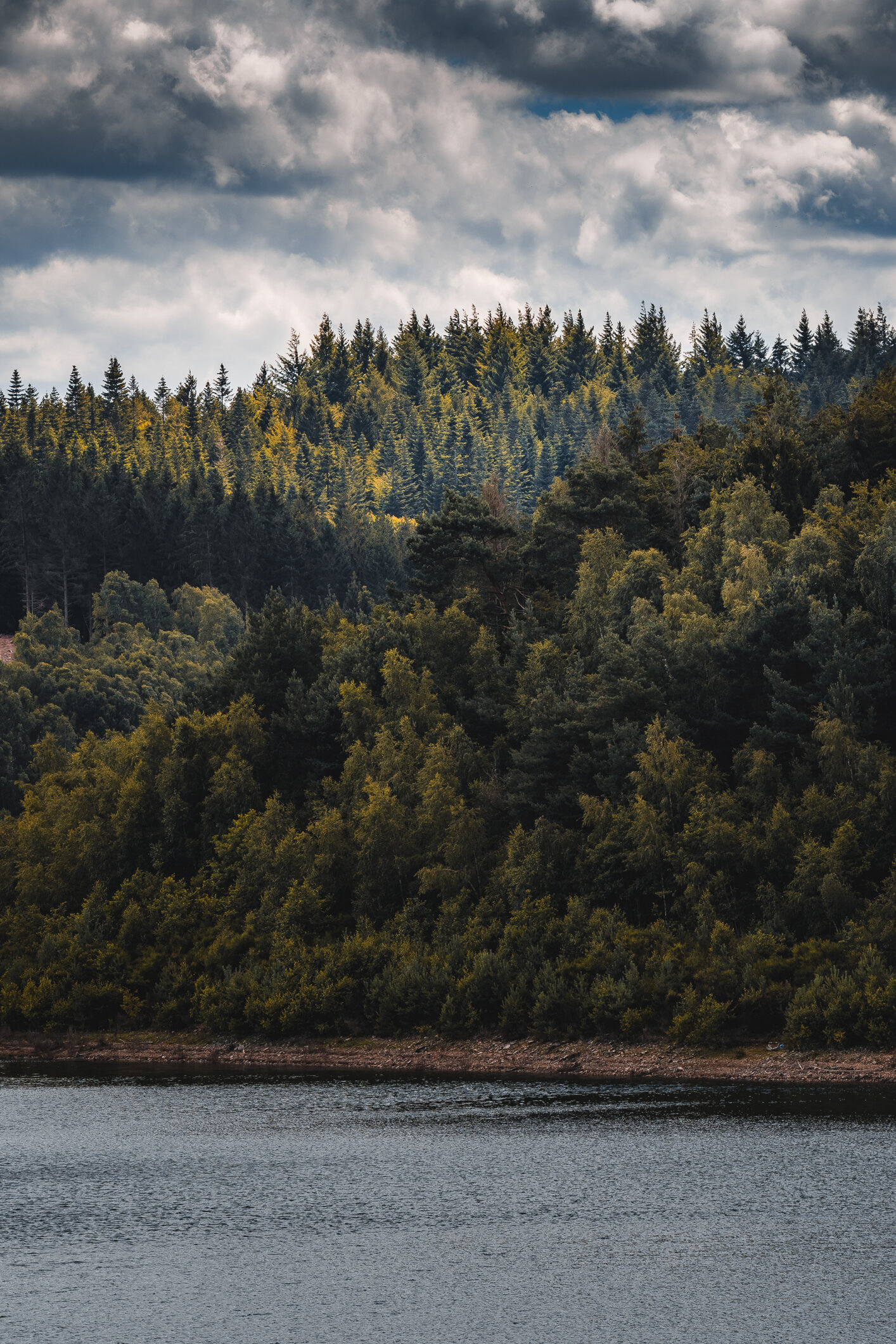
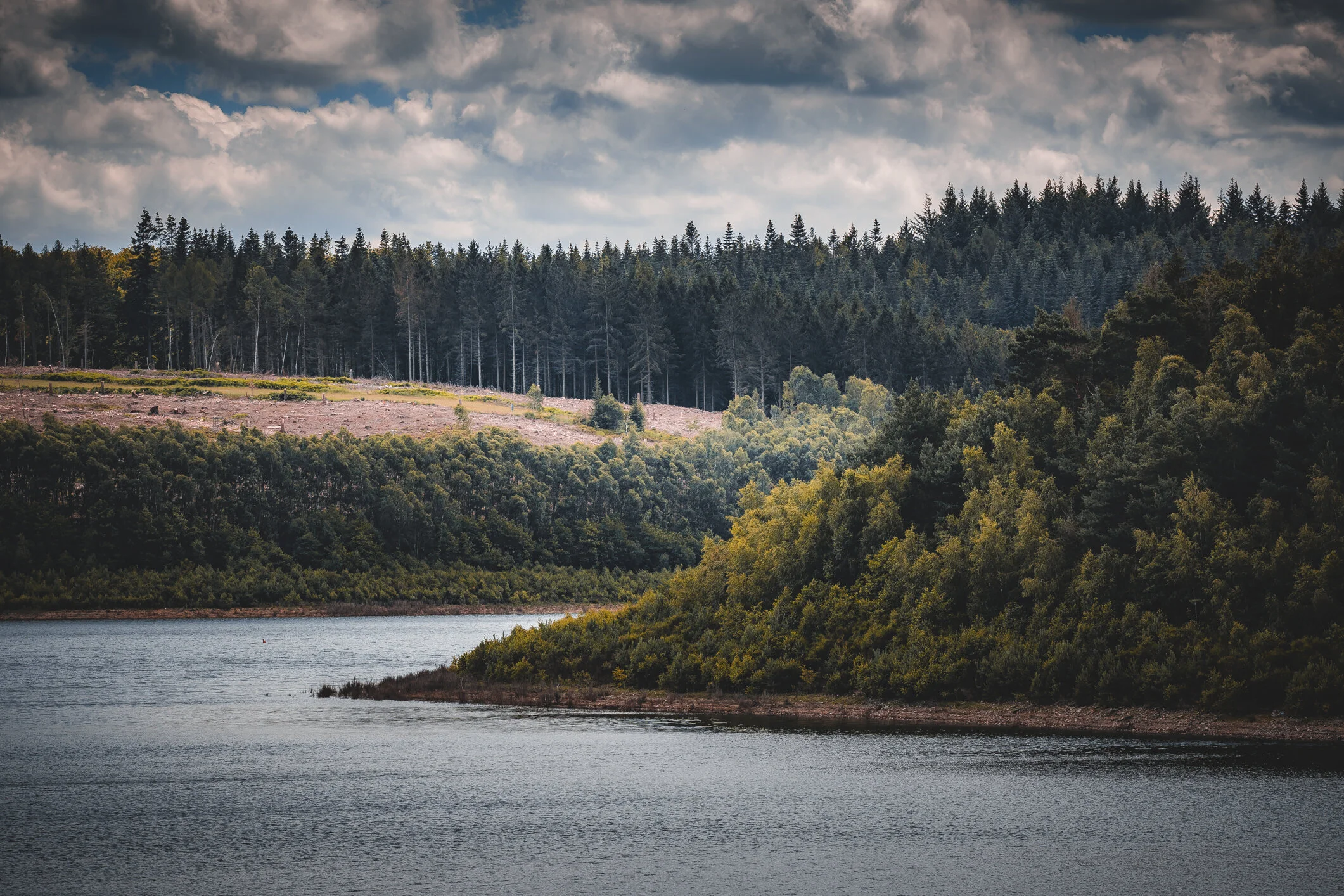
Here’s a few extra shots that I took at this beautiful spot. Nice forests surrounding this reservoir.
Again, make sure to click them to see them in their original size, and in a bigger size.

Thanks for checking out my blogpost, hope to see you around for me next one. That will be online in a few days. And is dedicated to a special place in Iceland.

Thank you!