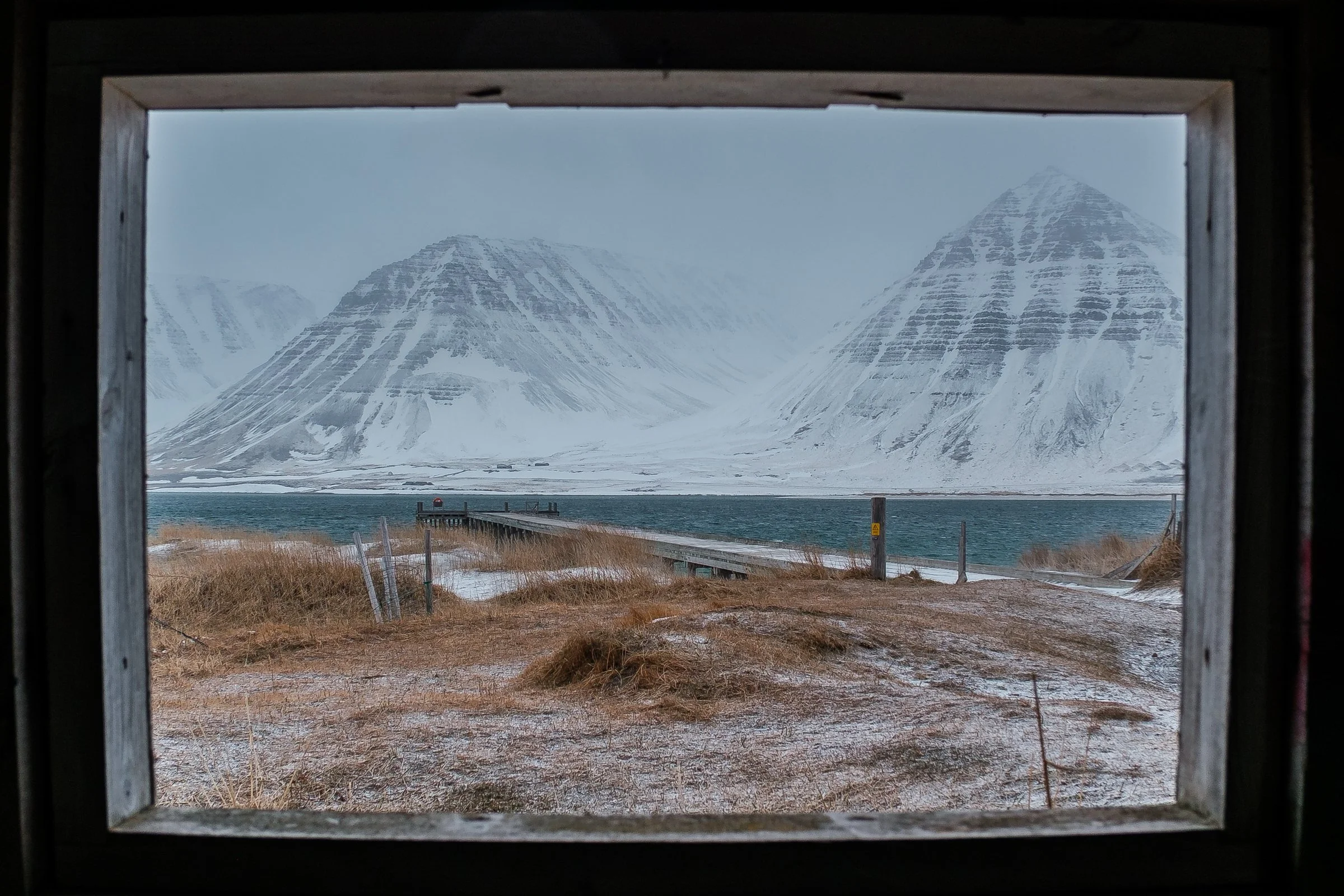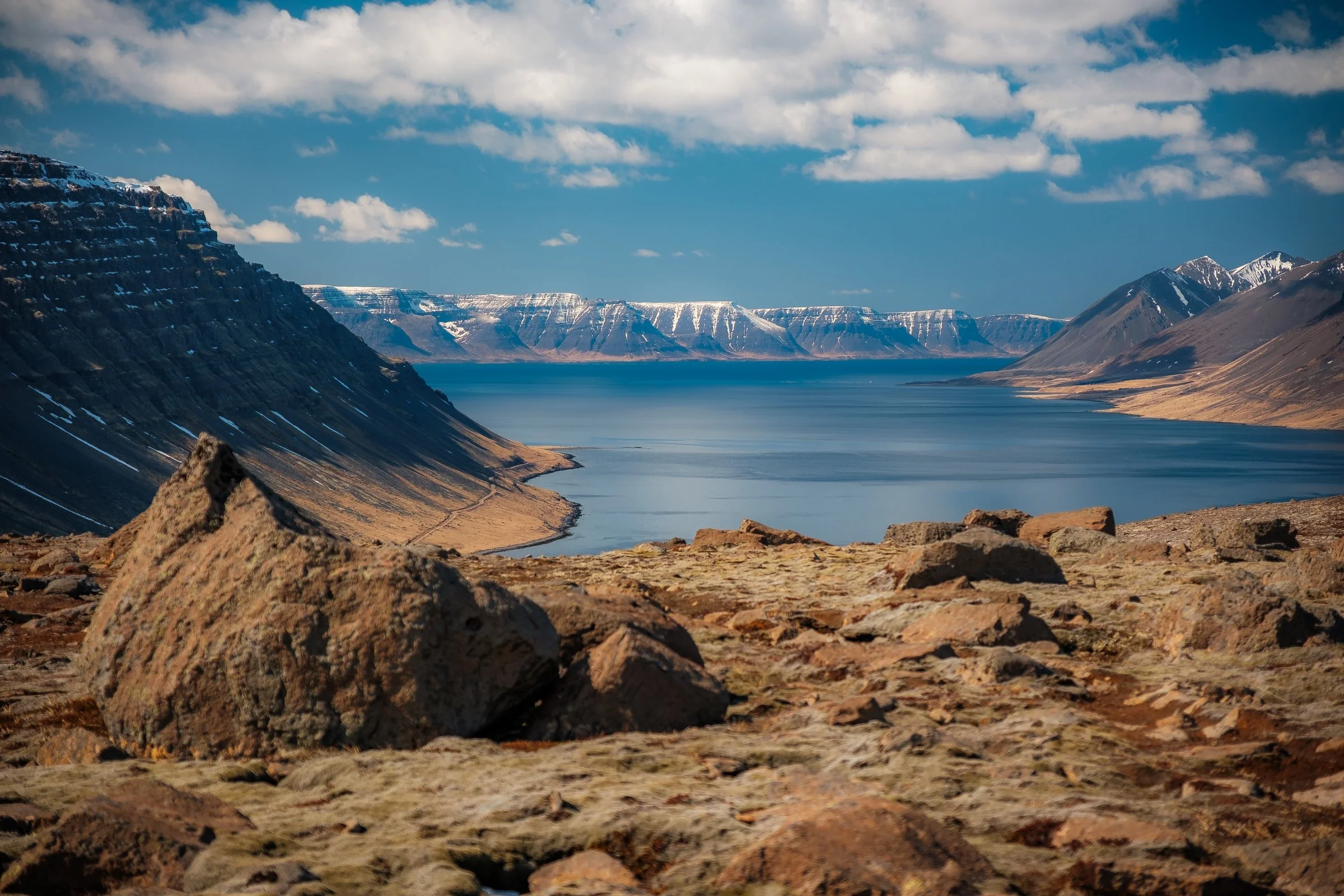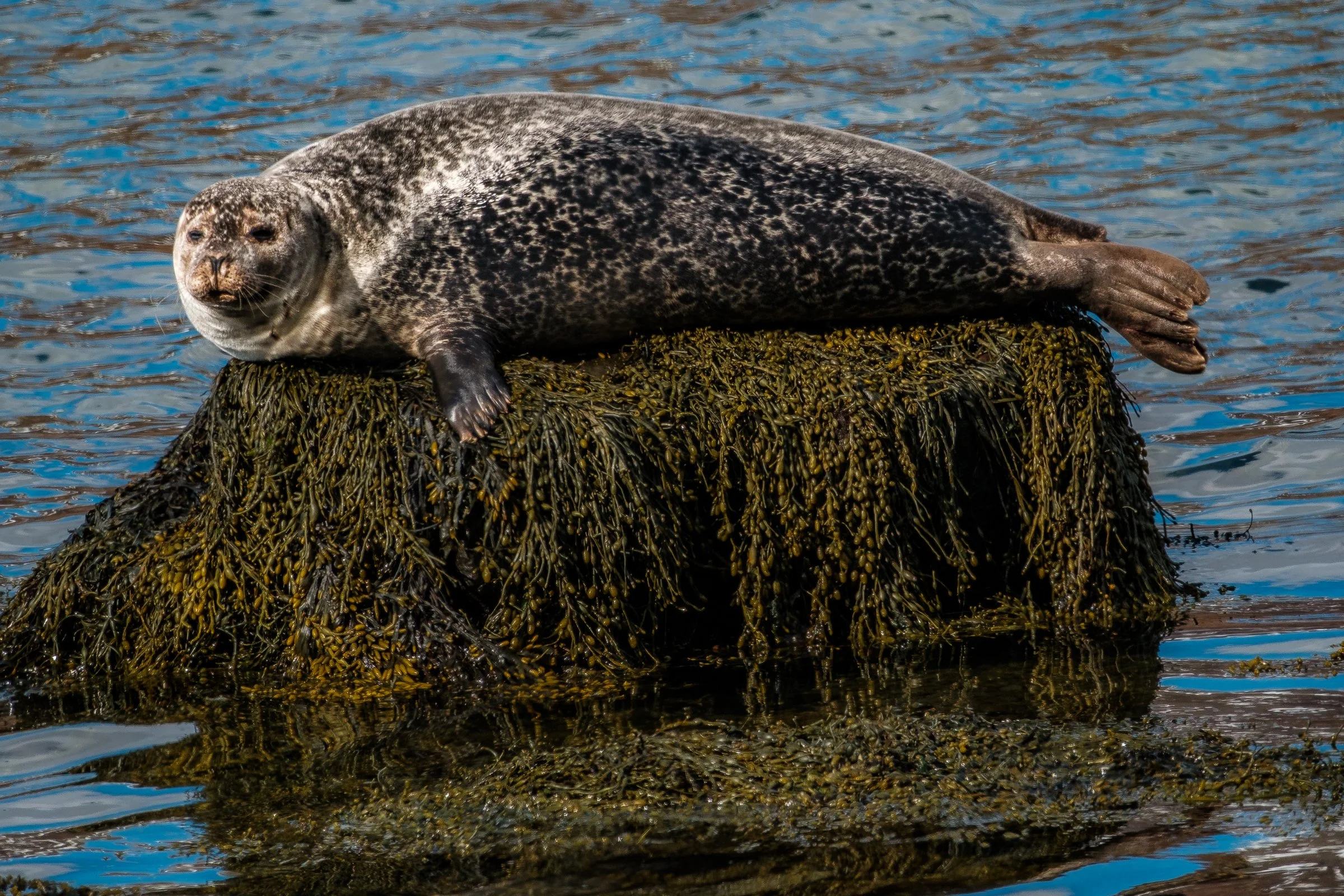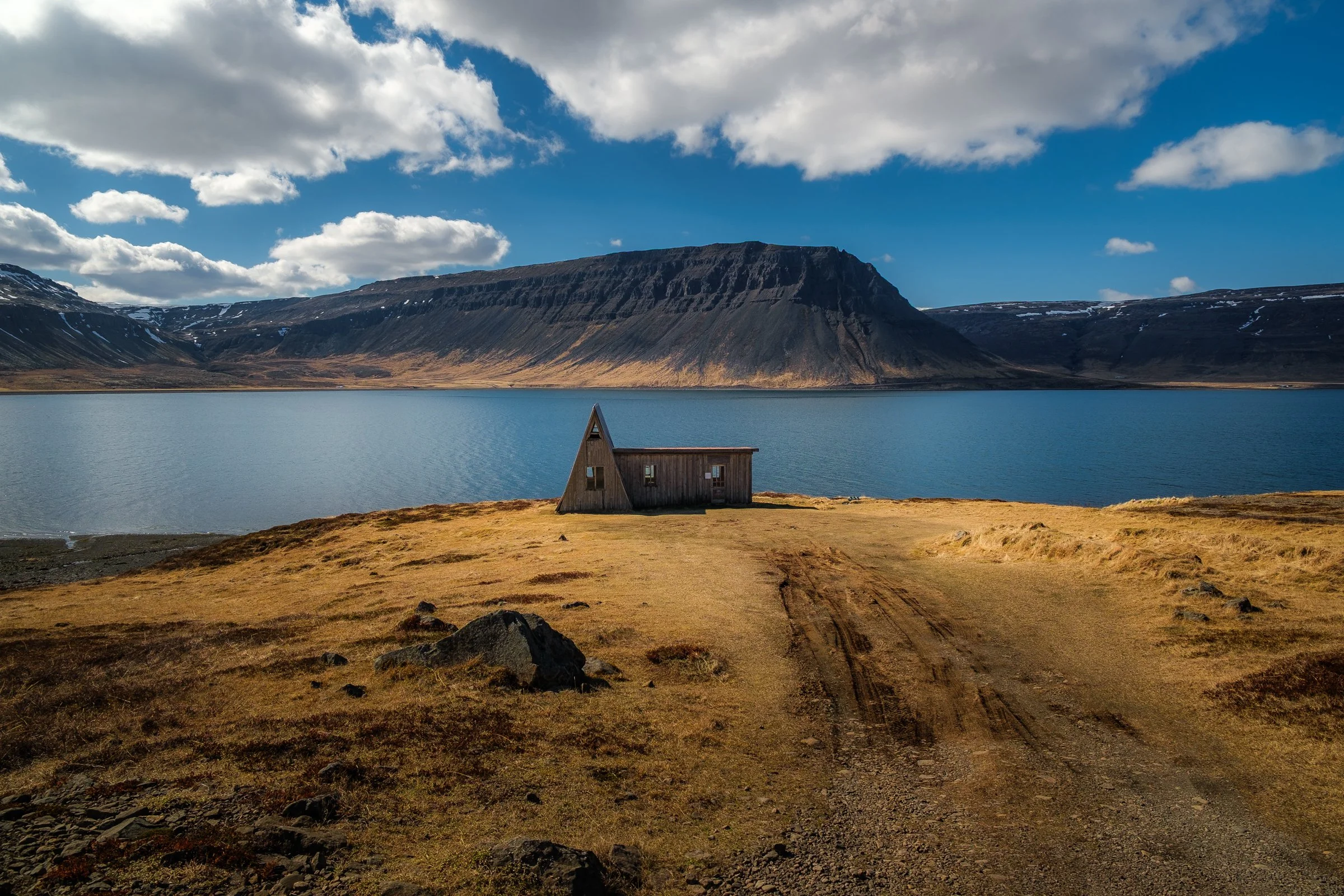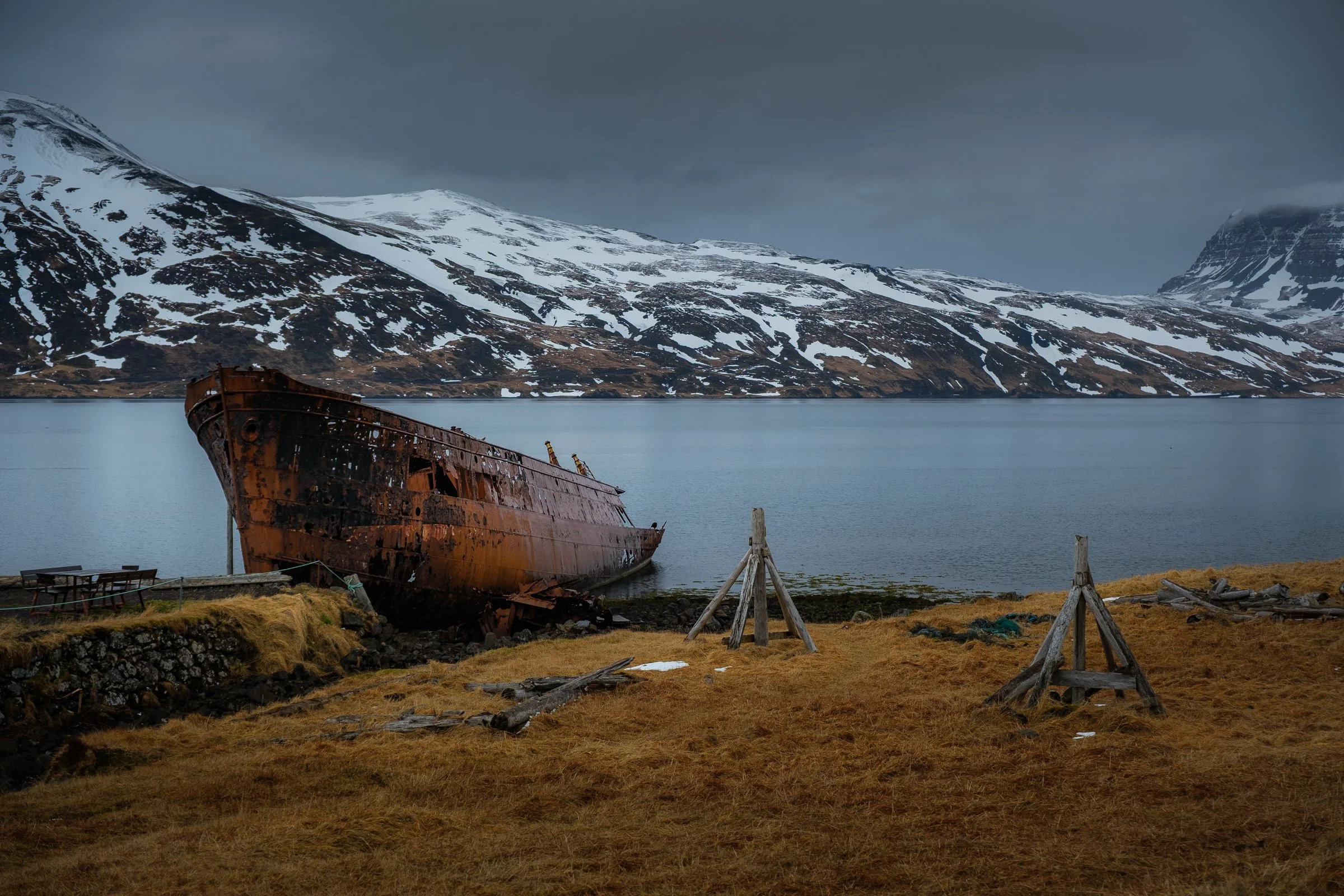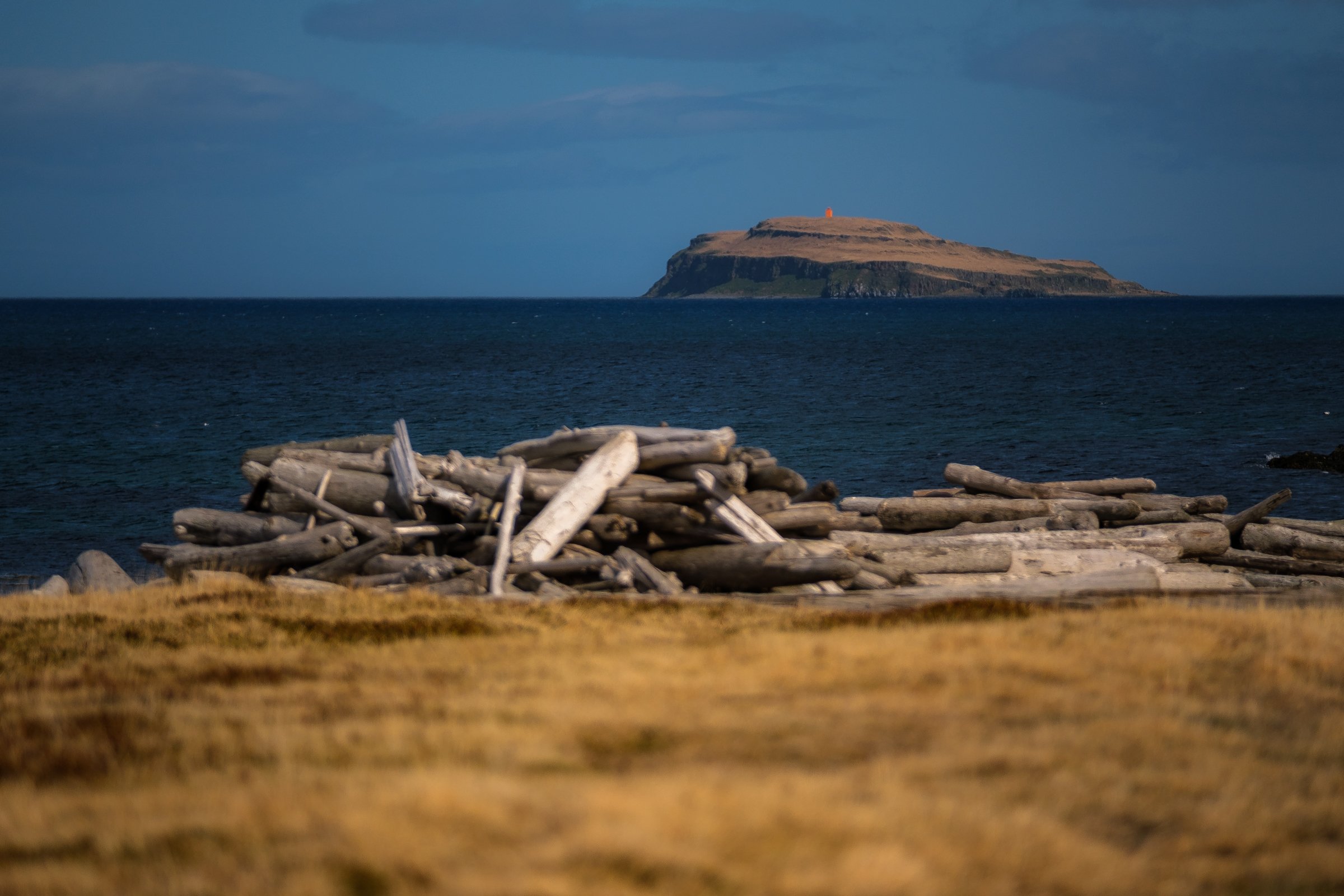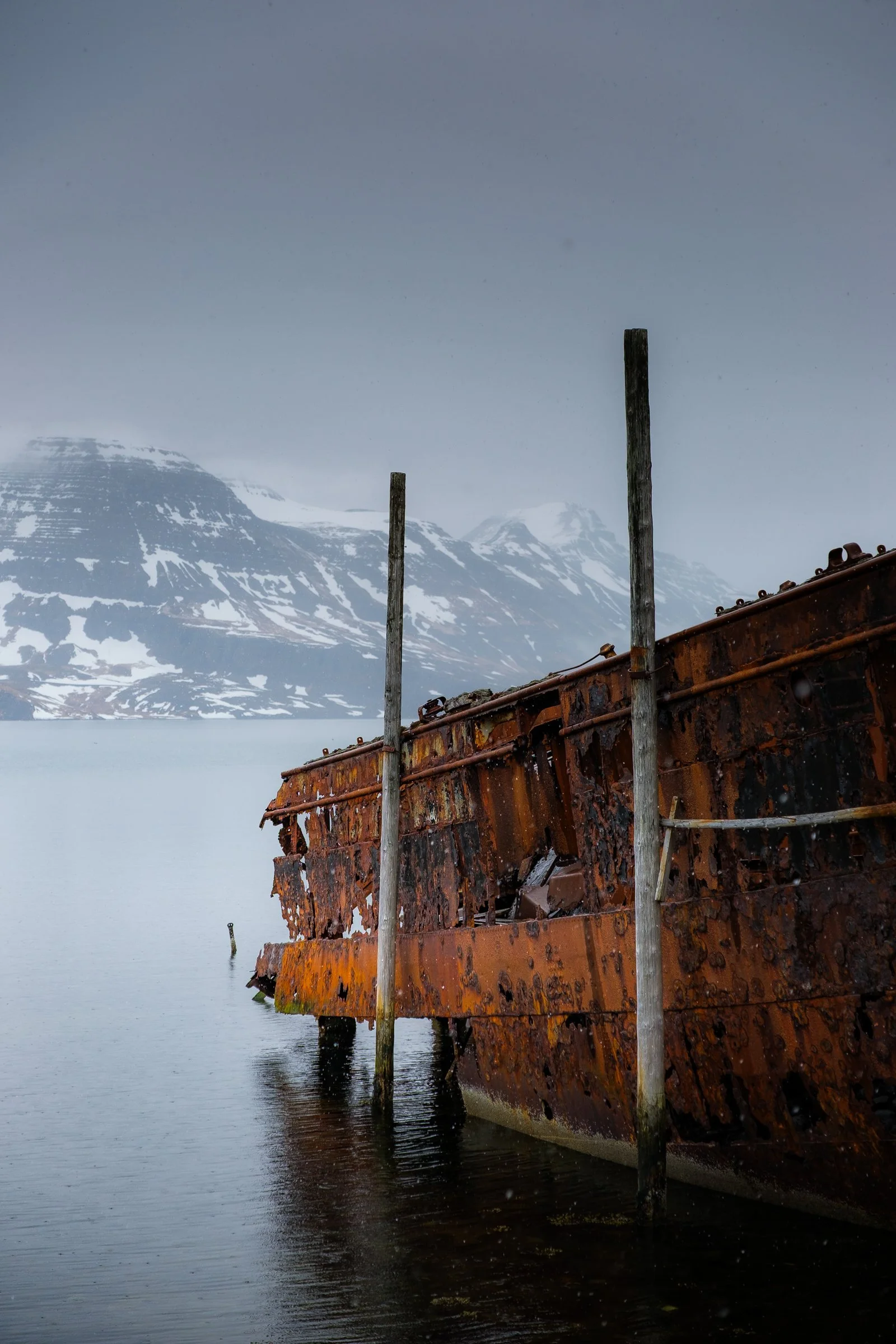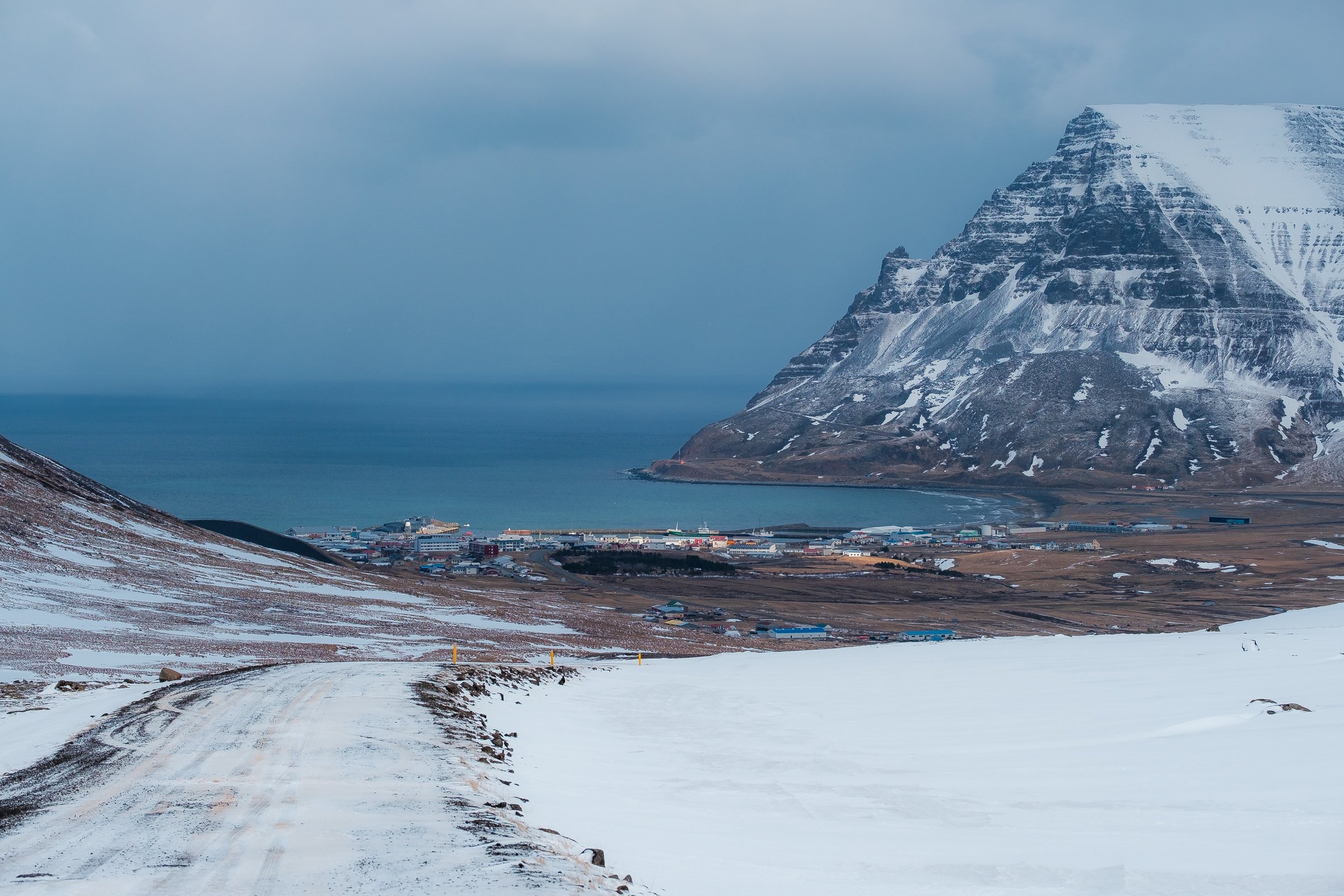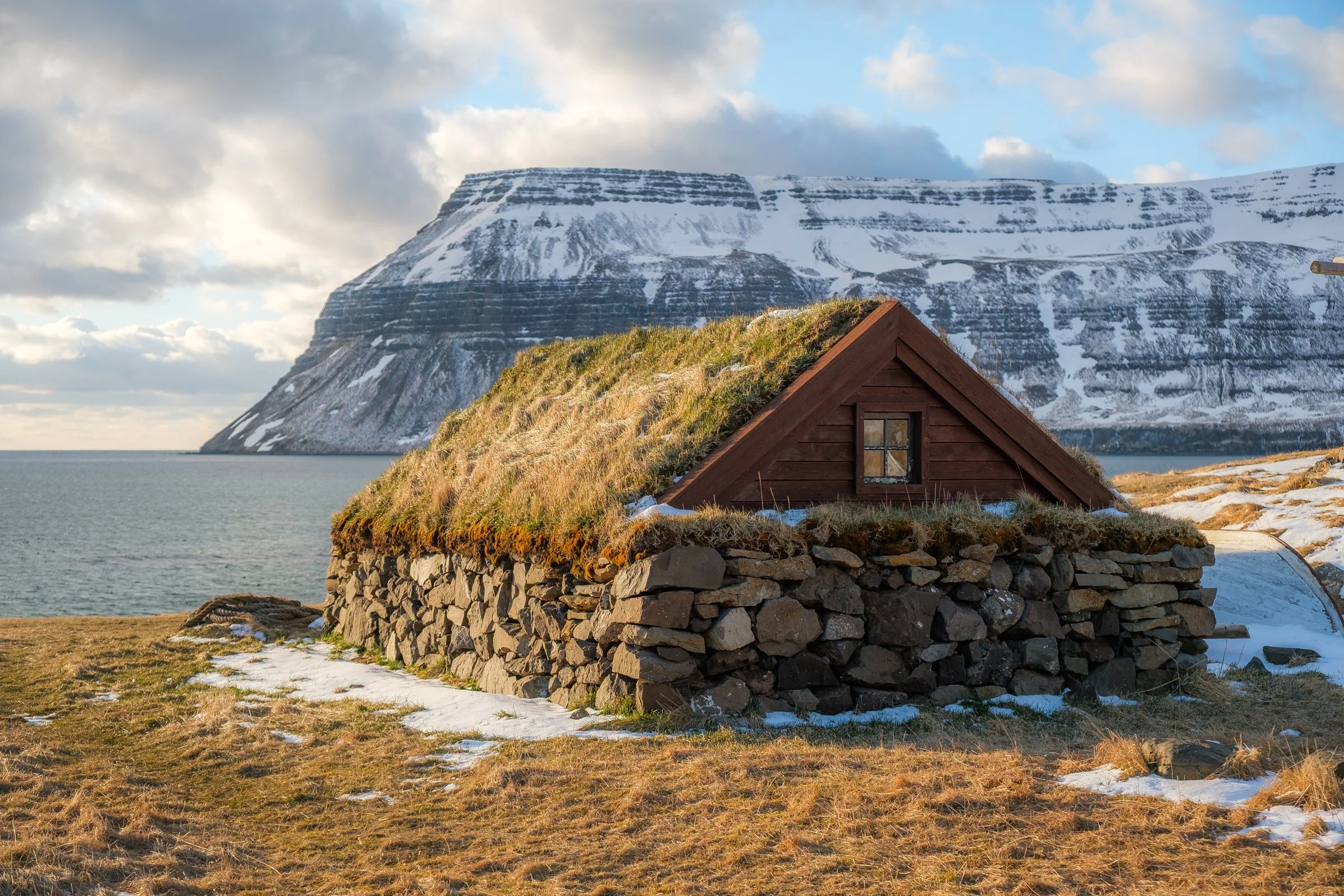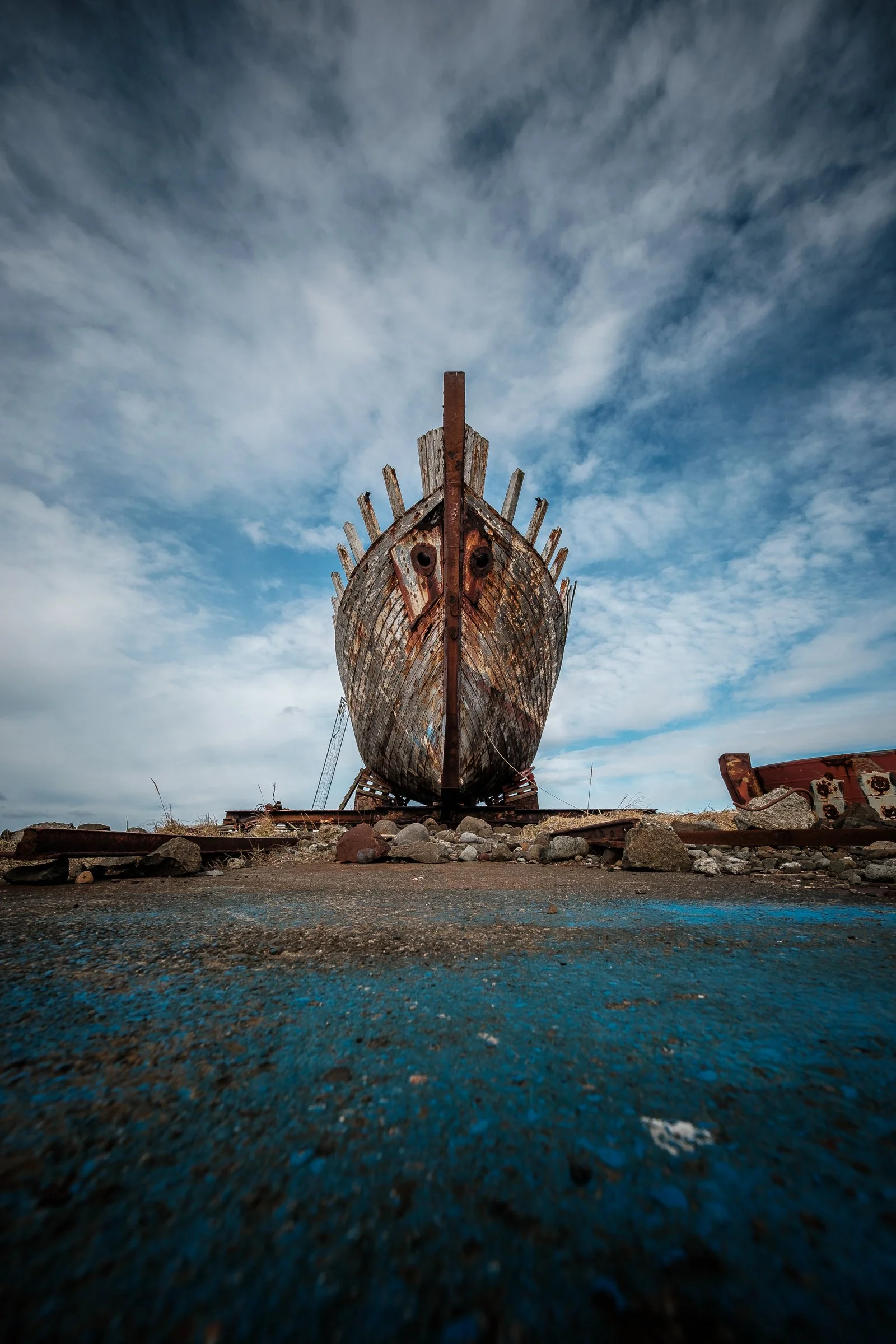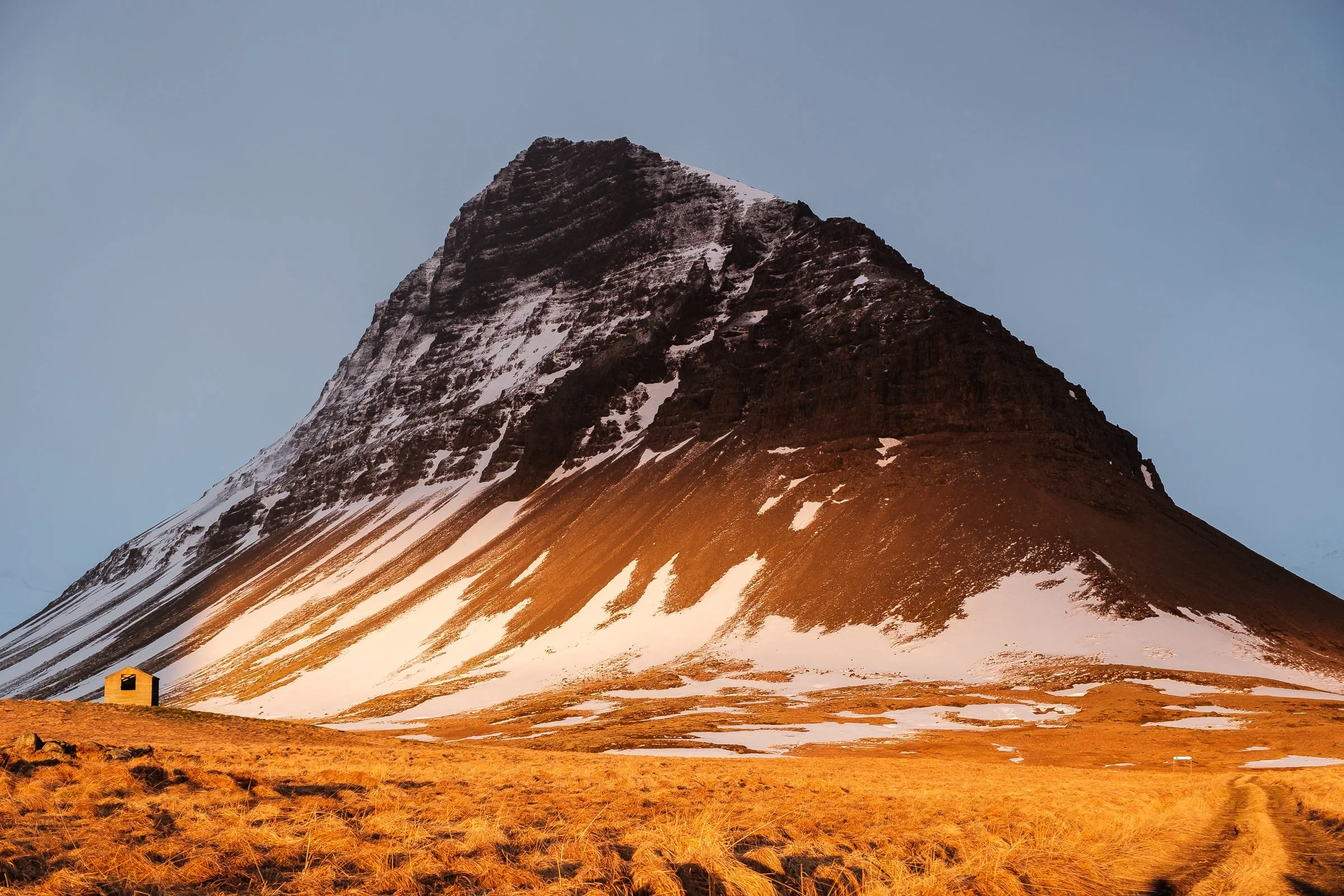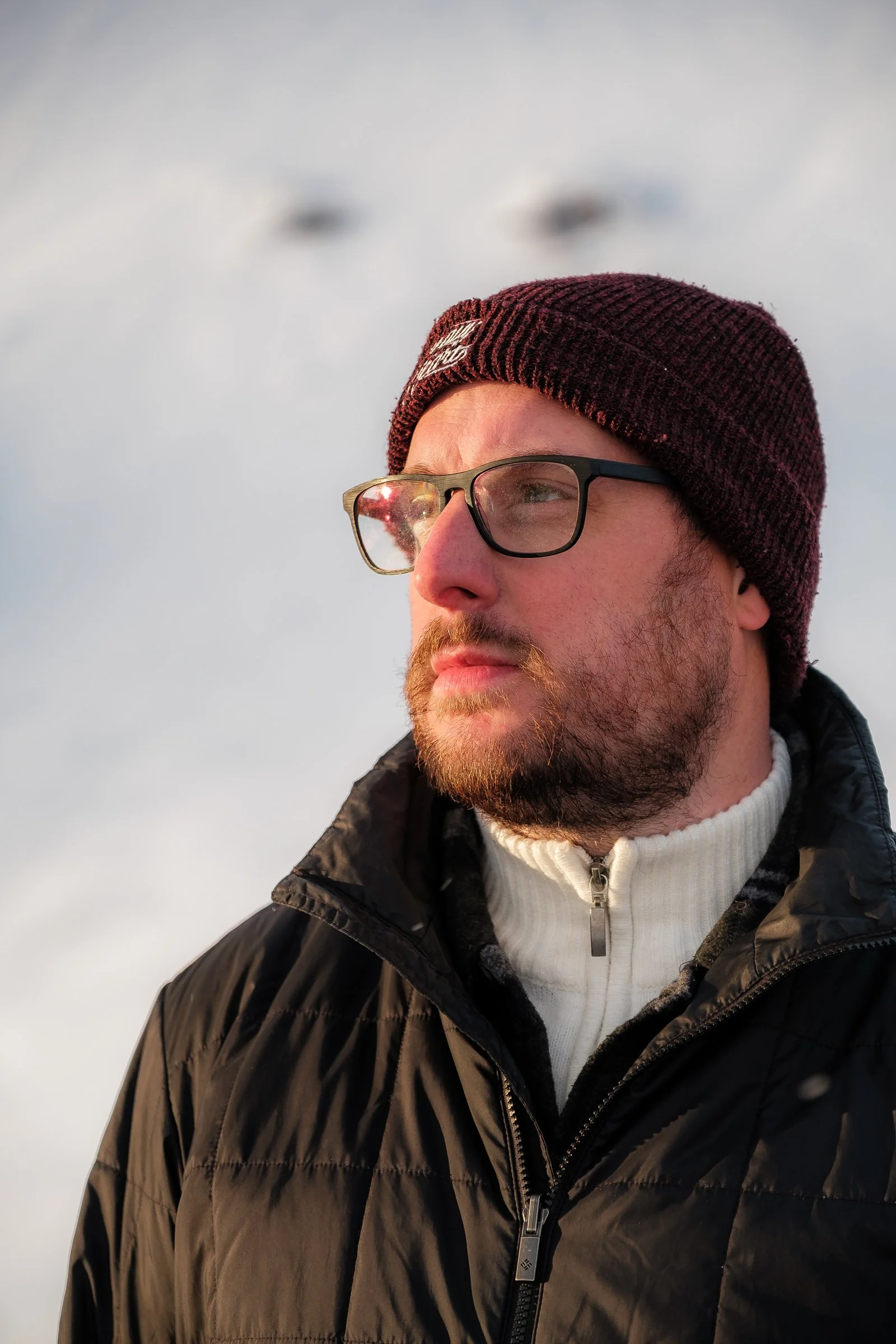
Returning to the Icelandic Westfjords (Fujifilm special)

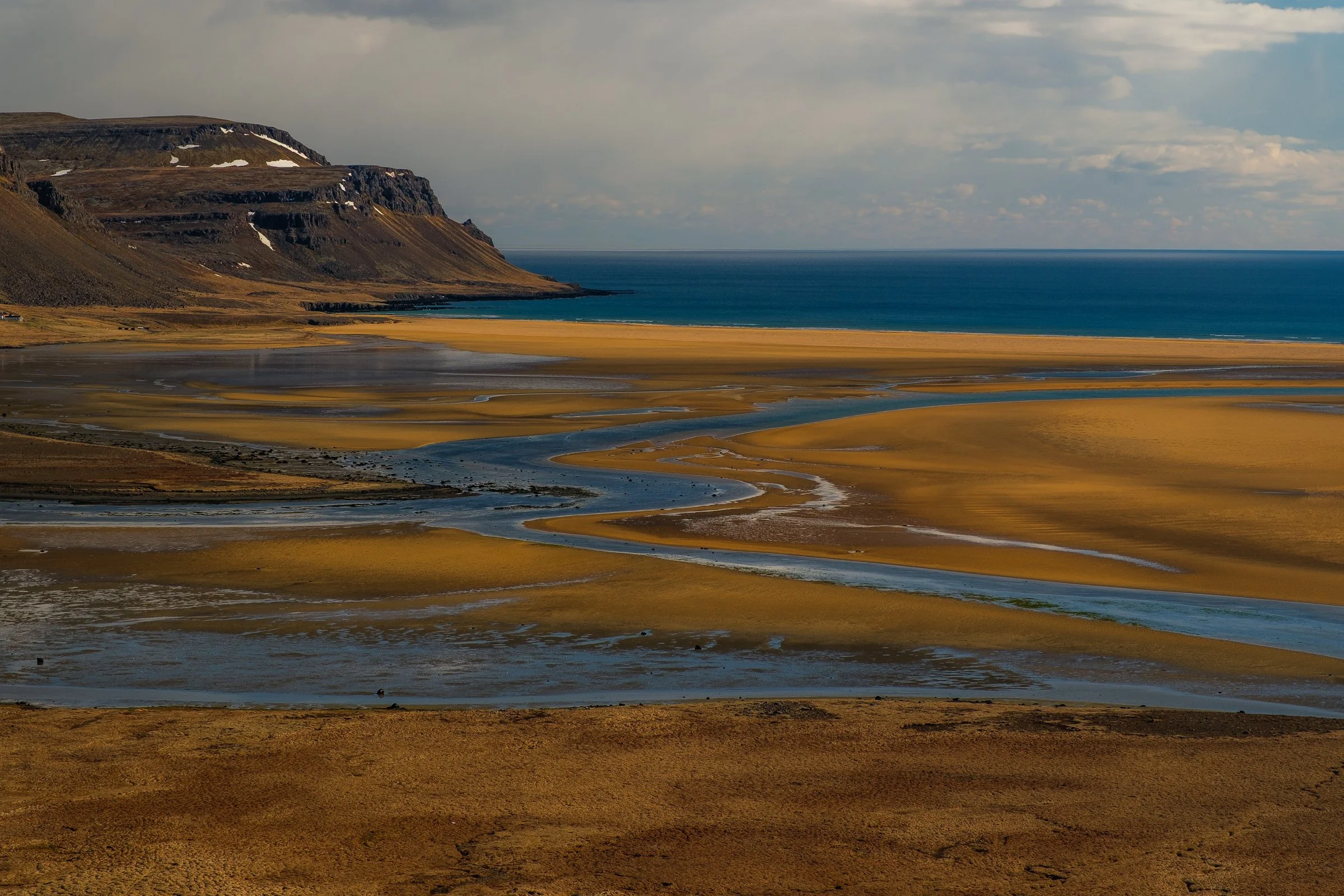
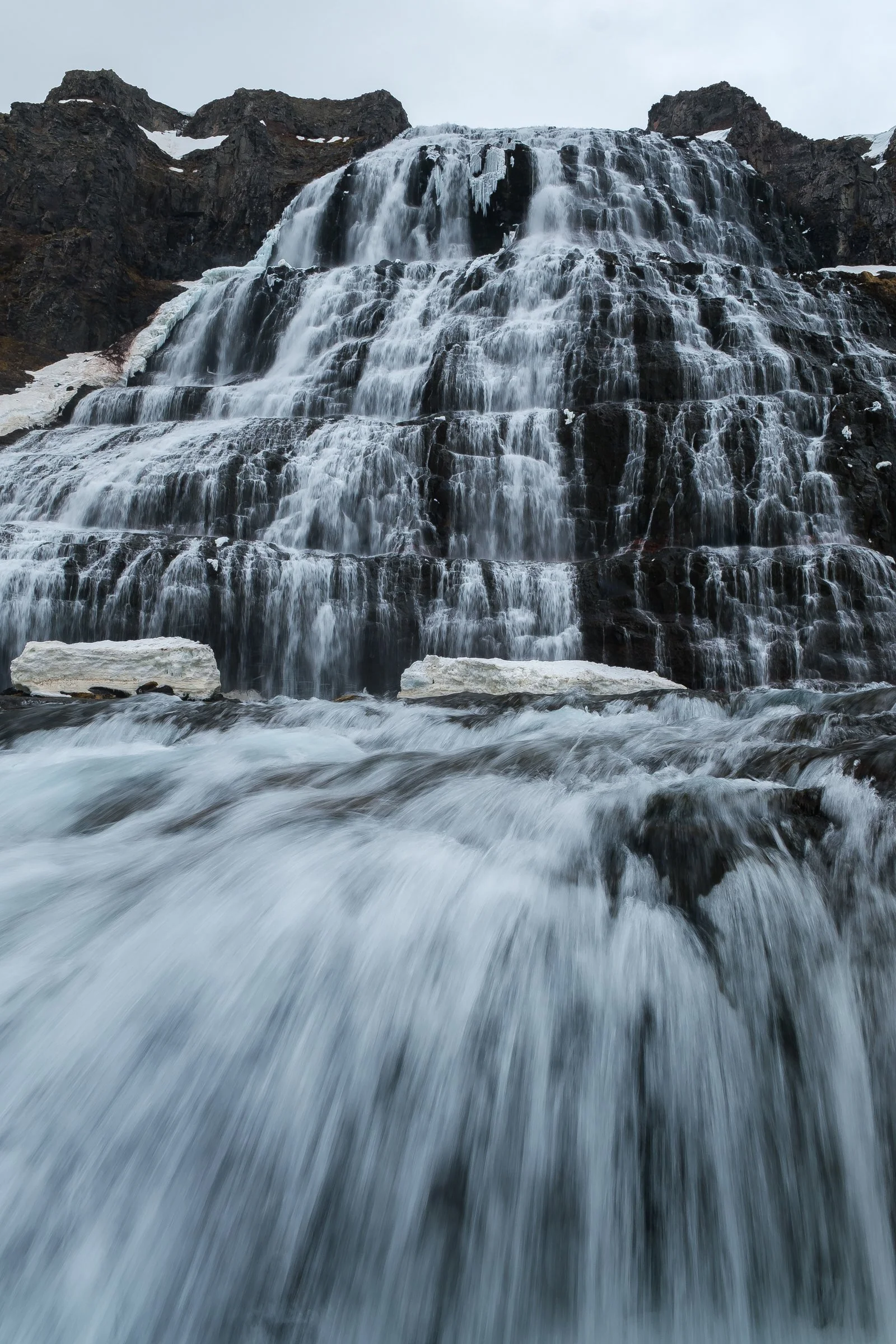
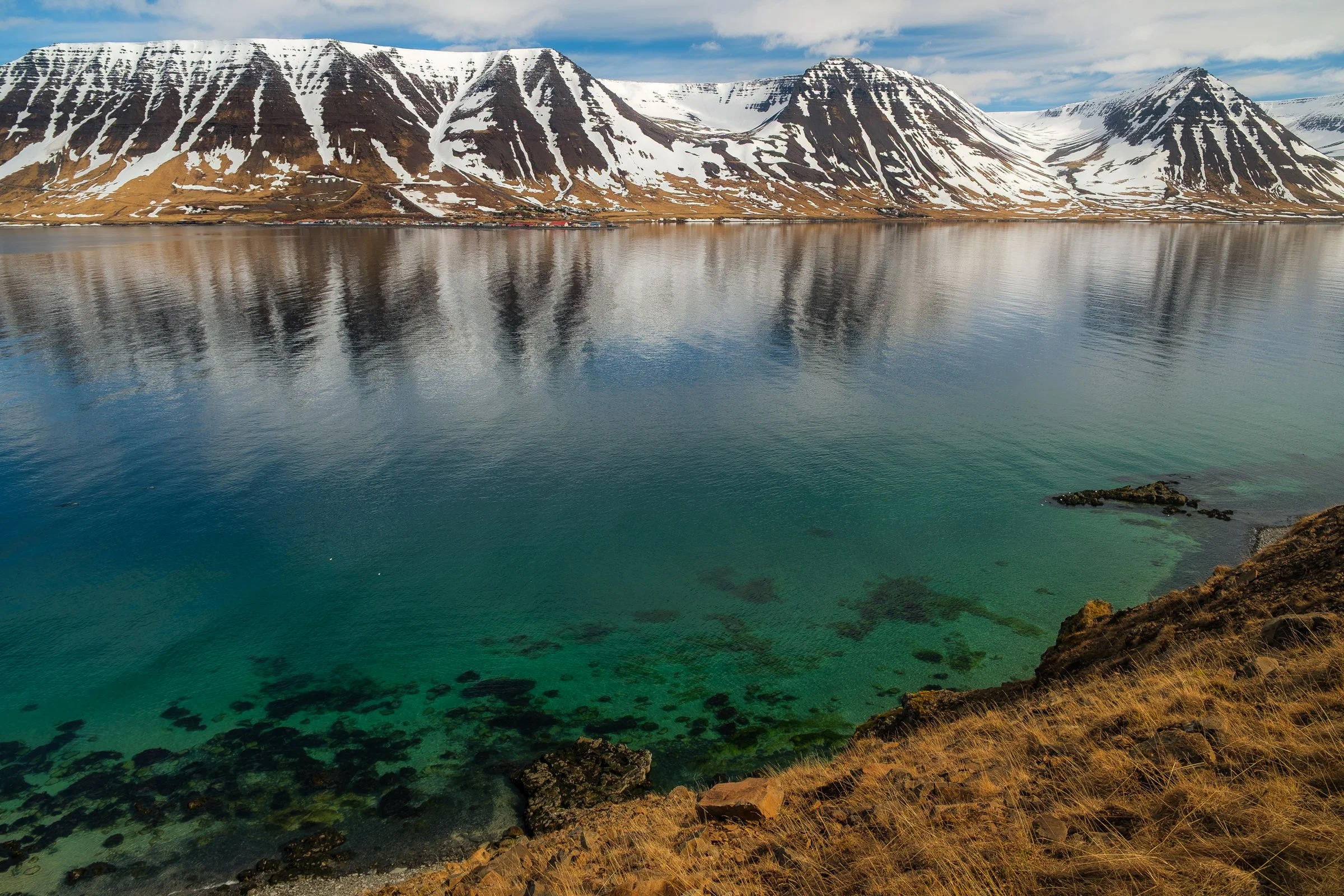
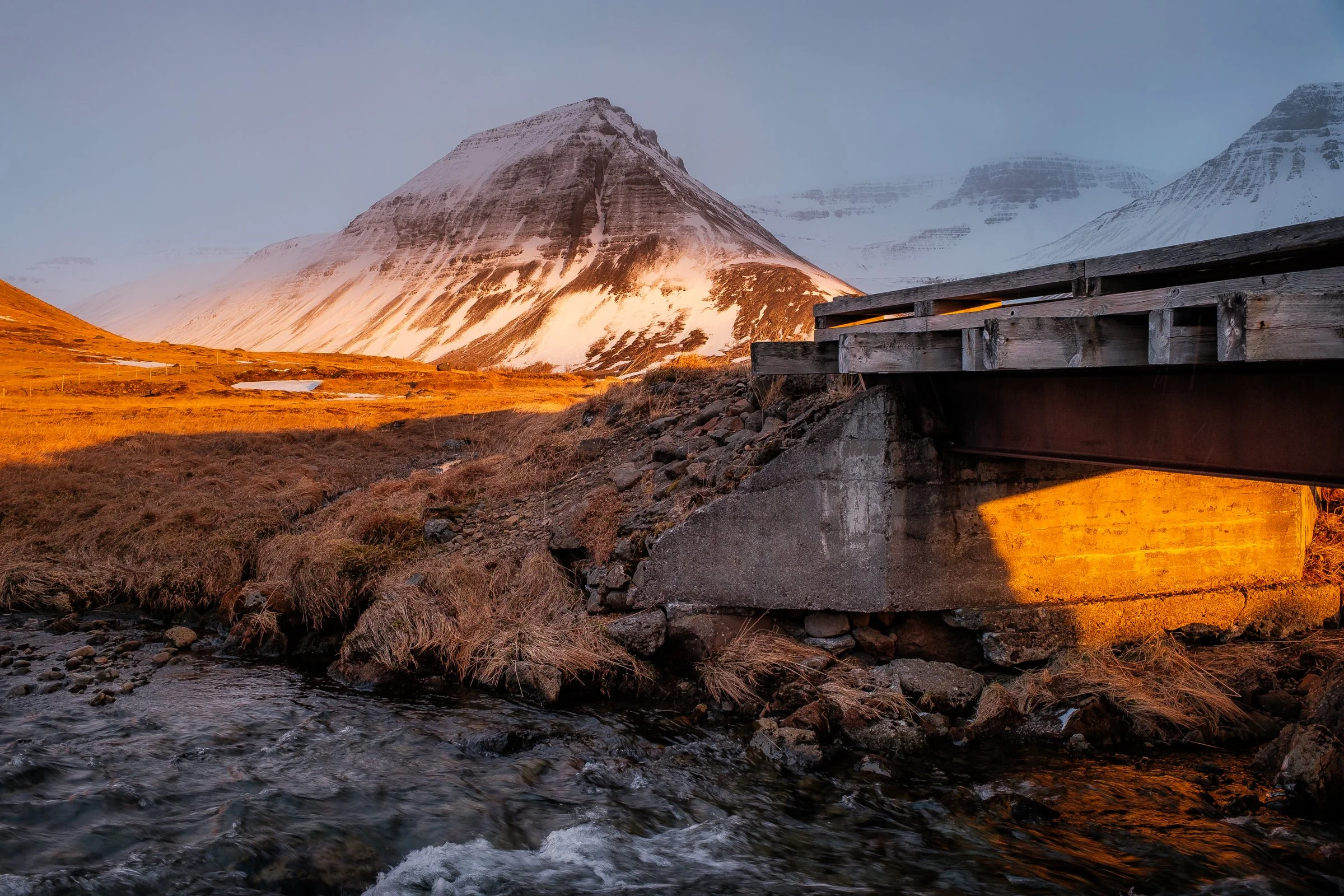
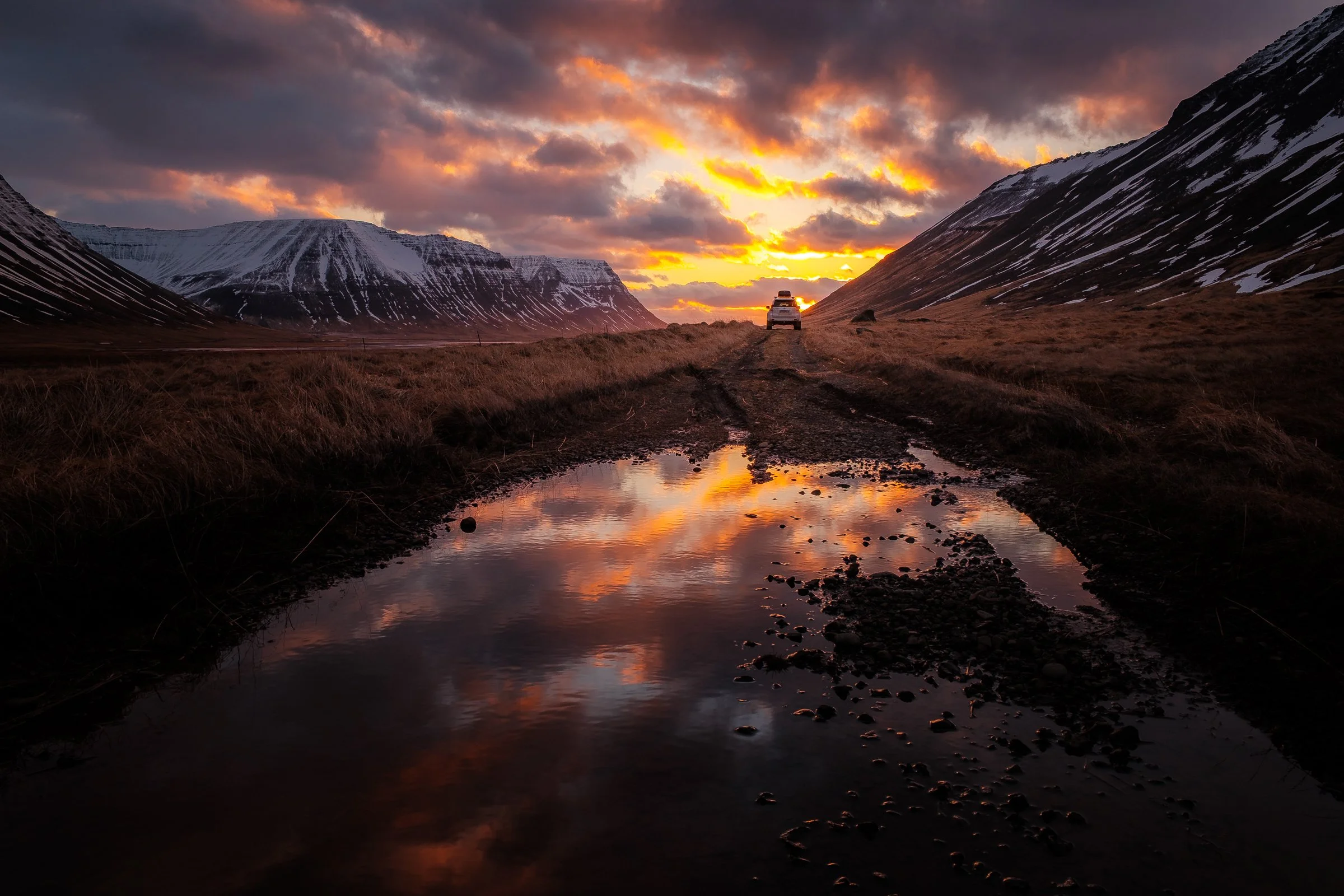
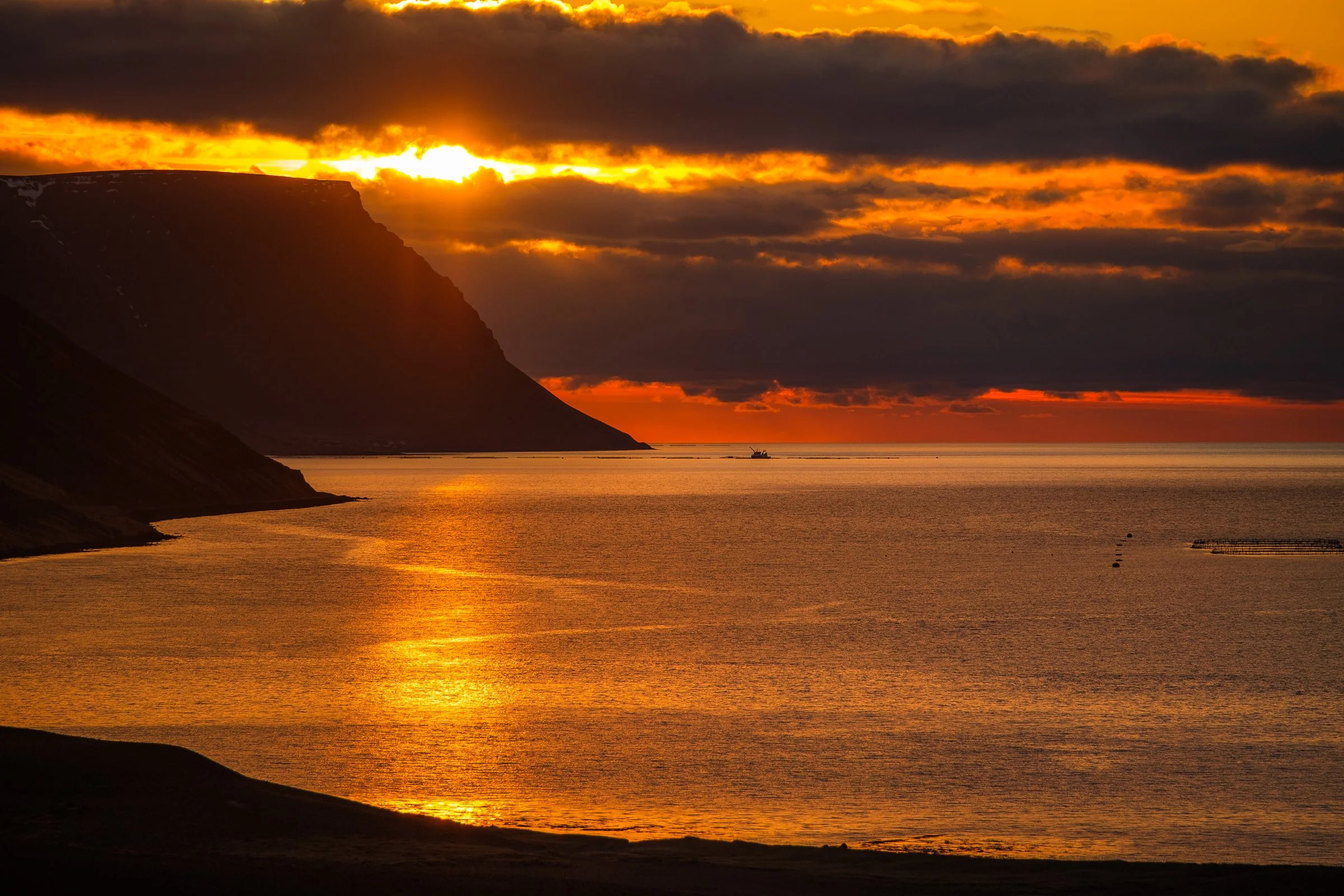
The Westfjords of Iceland; a place I’ve been returning to for years. Every trip feels familiar, yet still manages to surprise me in new ways. It’s a region where the landscape is never static: light, weather, and atmosphere can shift completely within an hour, and that constant change is what makes it such a compelling place to work and travel.

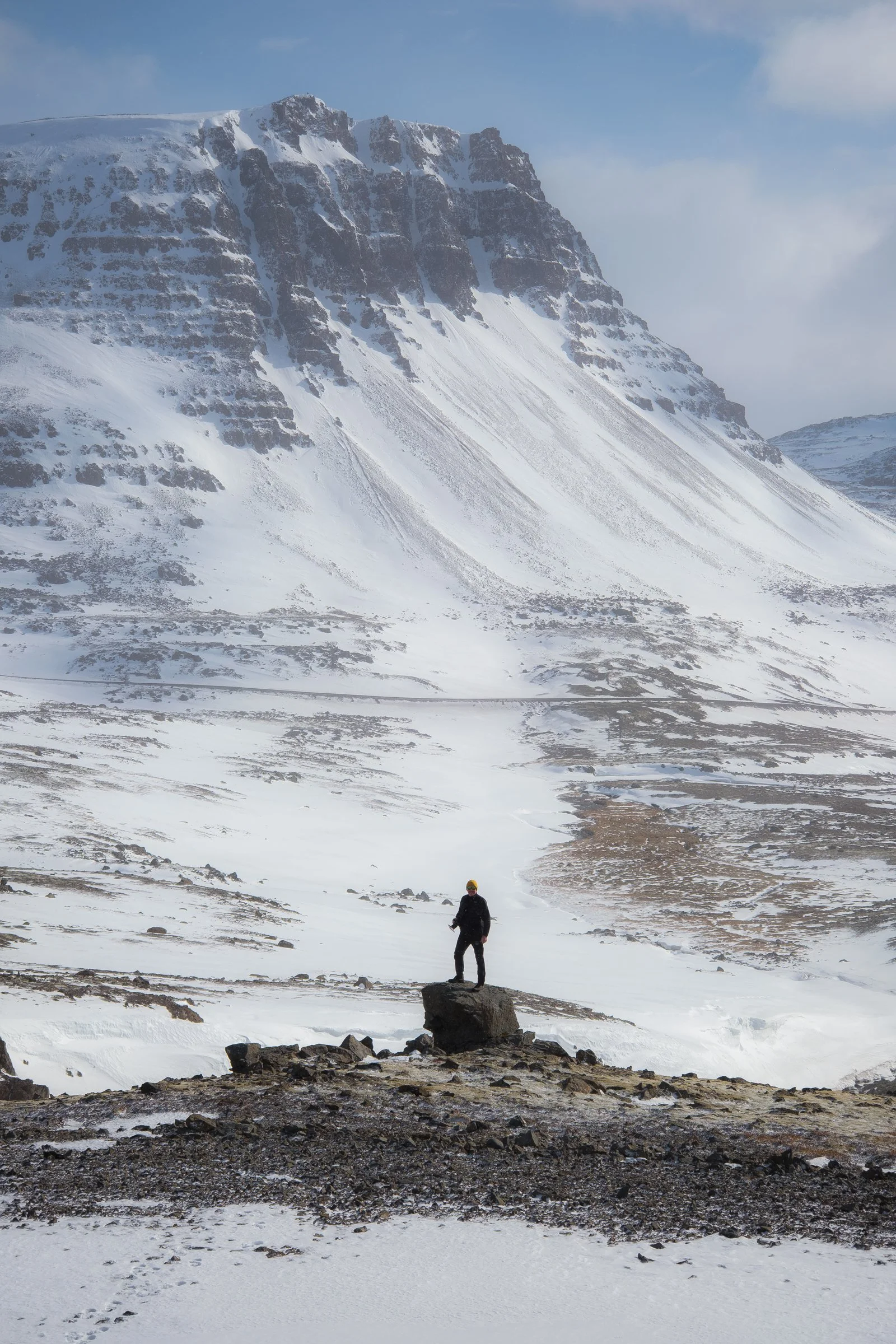
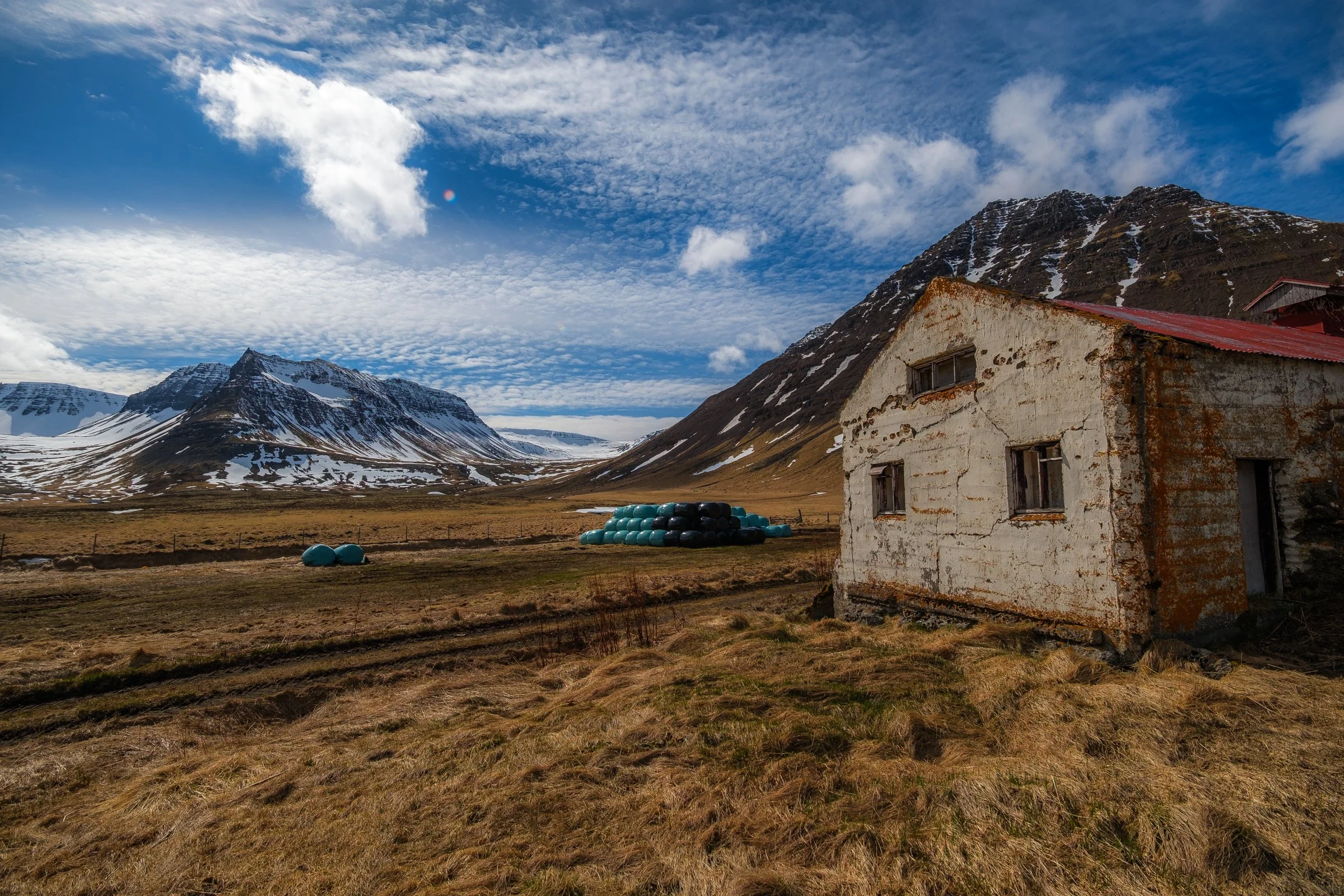
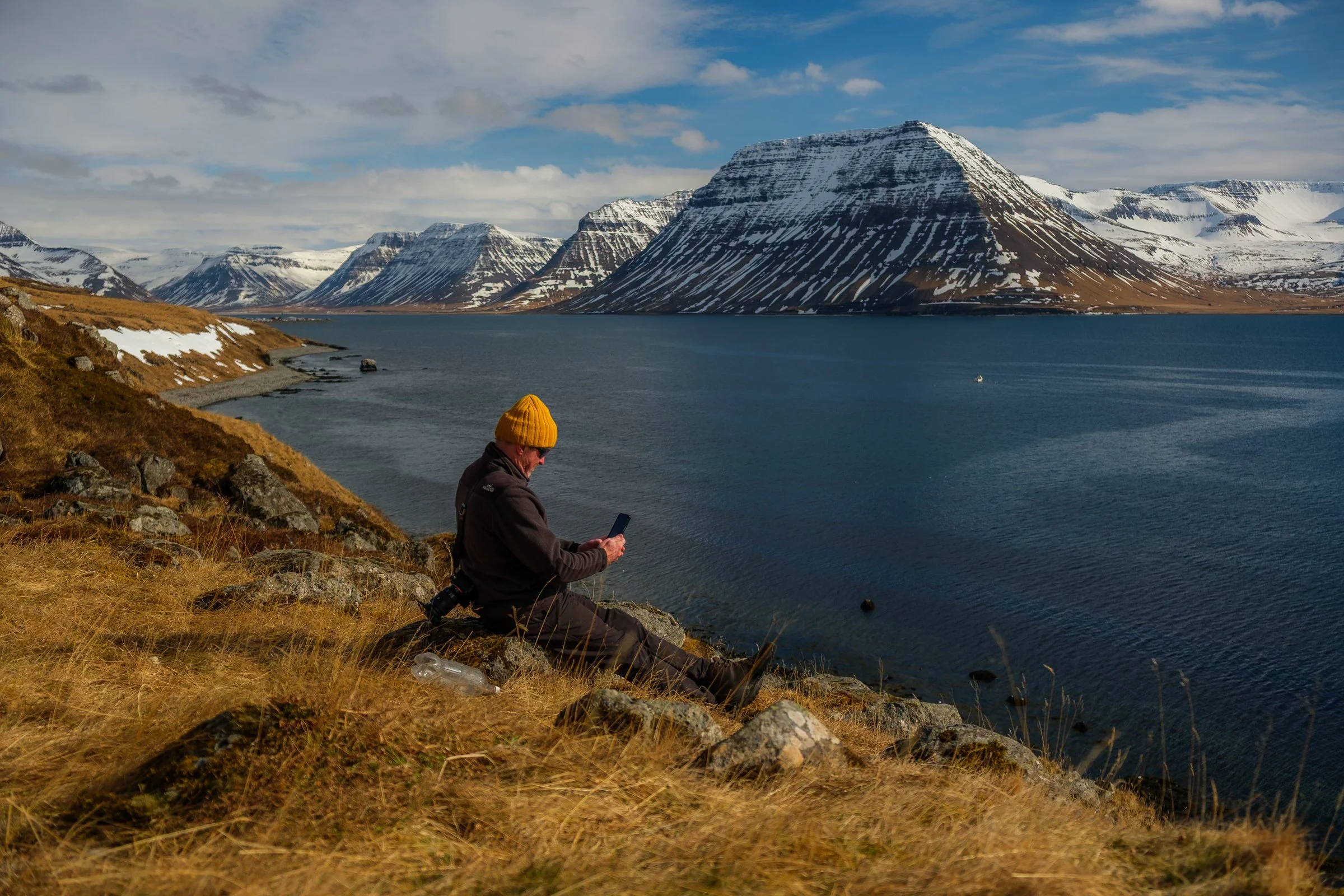
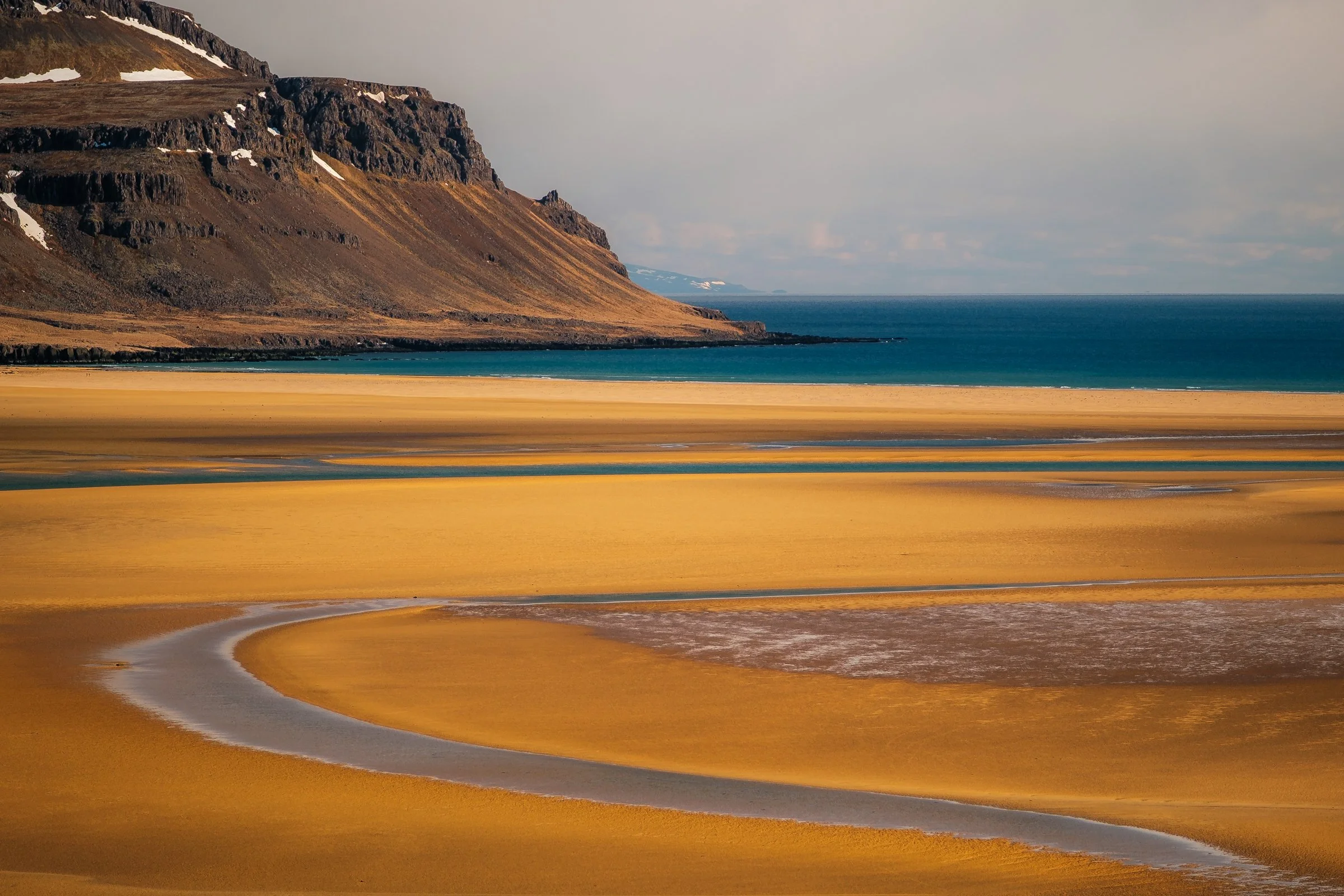
At the beginning of May, I set out once again through this remote northwestern part of Iceland. Endless roads tracing deep fjords, empty stretches of coastline, steep mountains and quiet valleys defined the rhythm of the days. It’s a landscape that doesn’t demand attention, but slowly gets under your skin the more time you spend there.

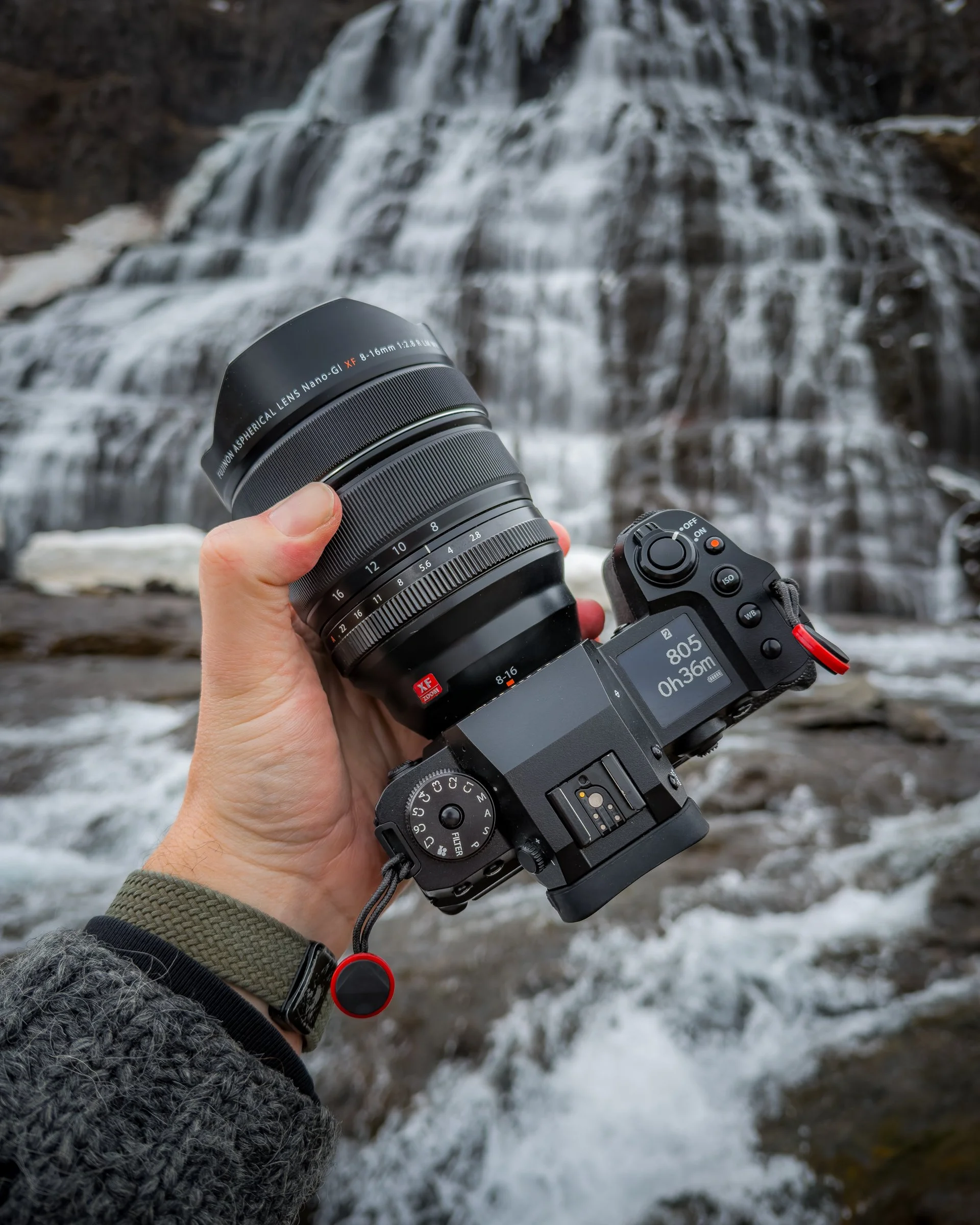
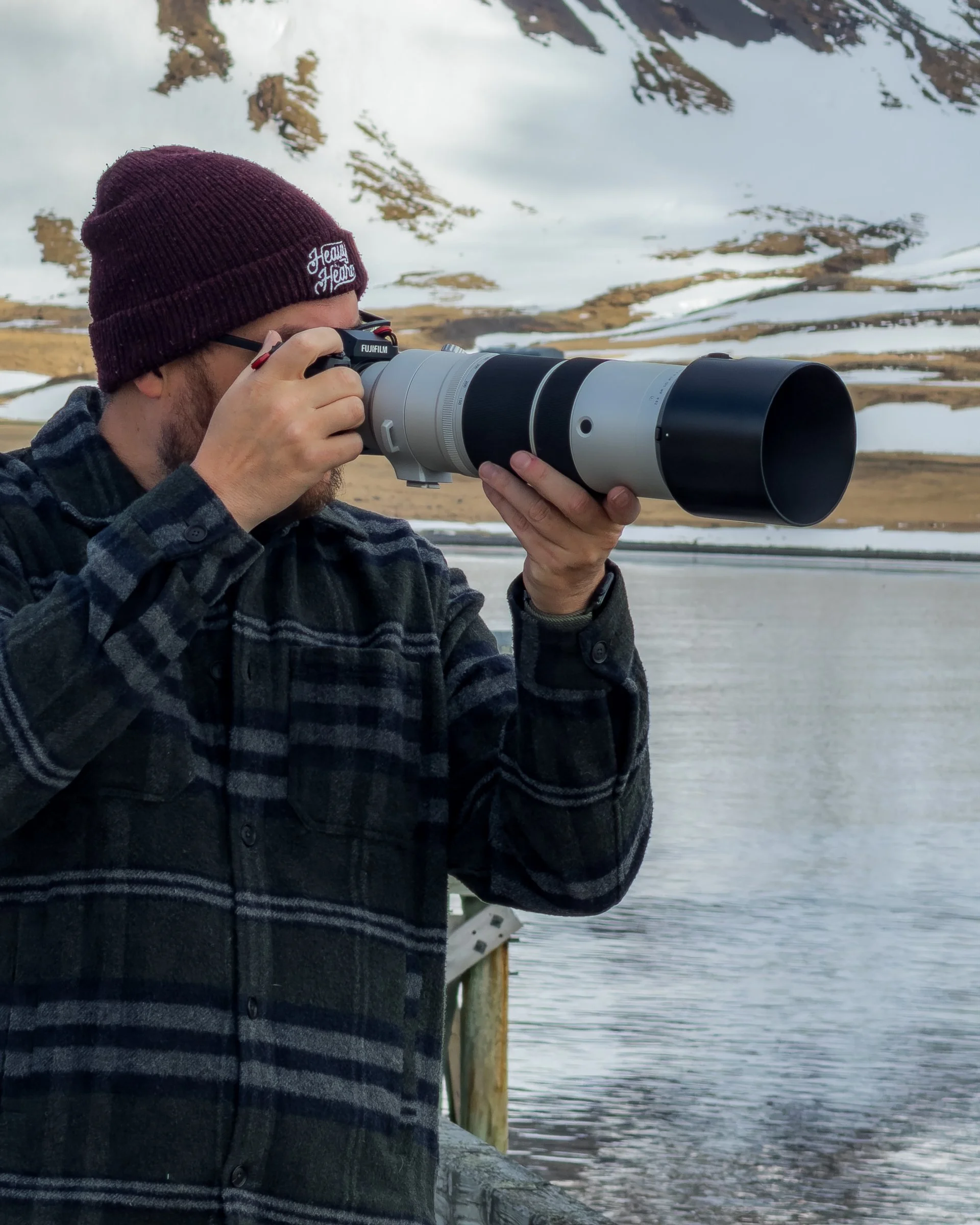
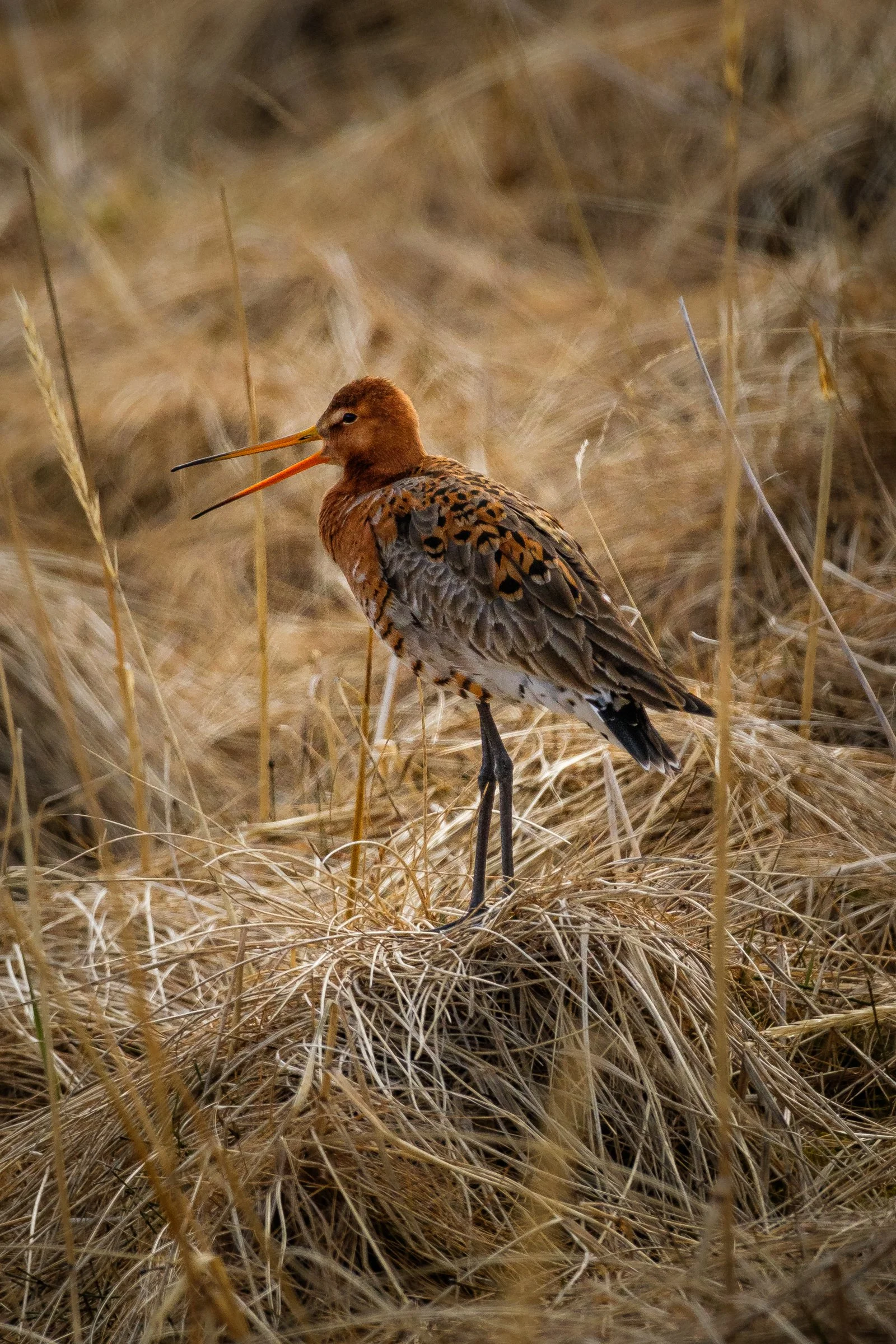
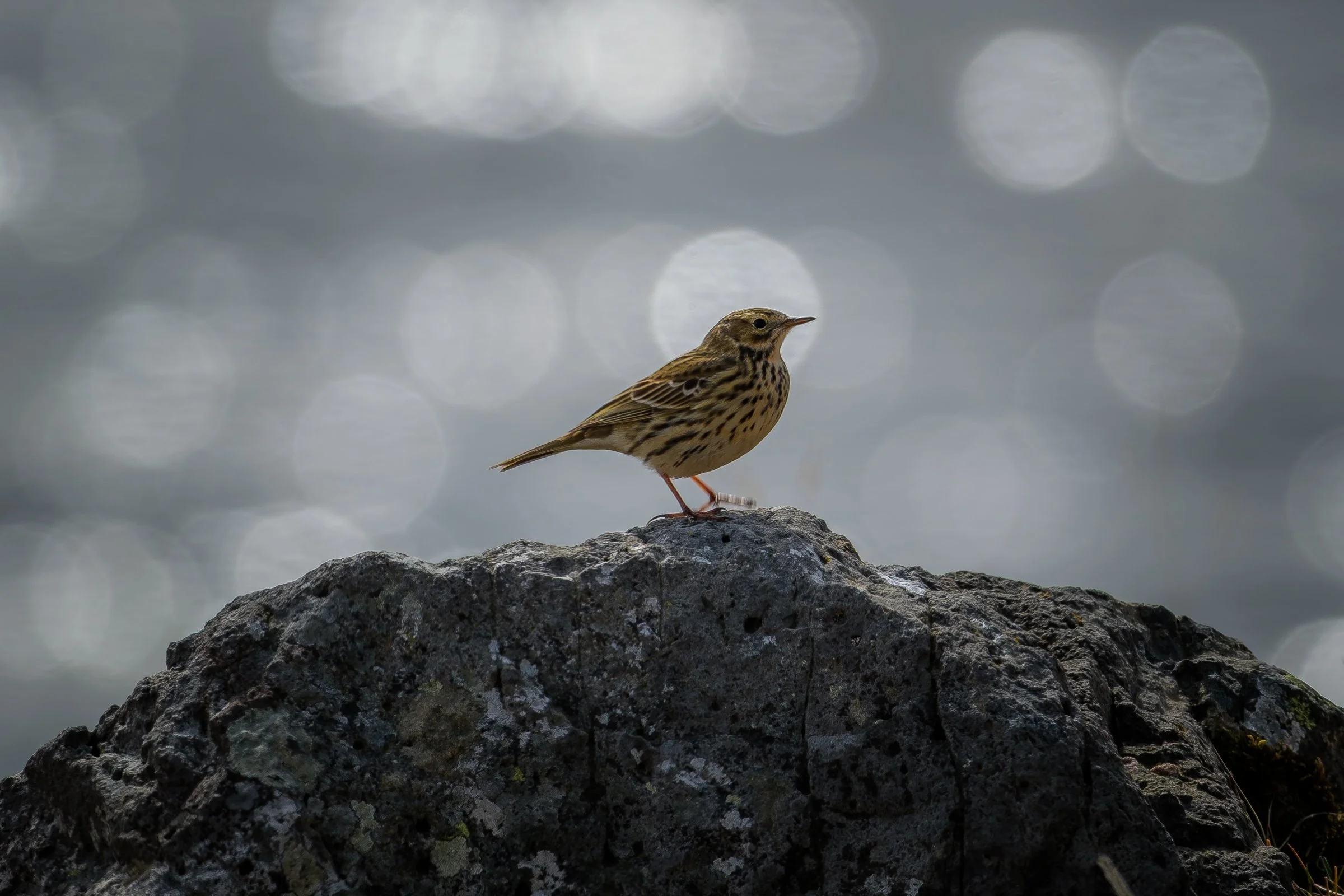
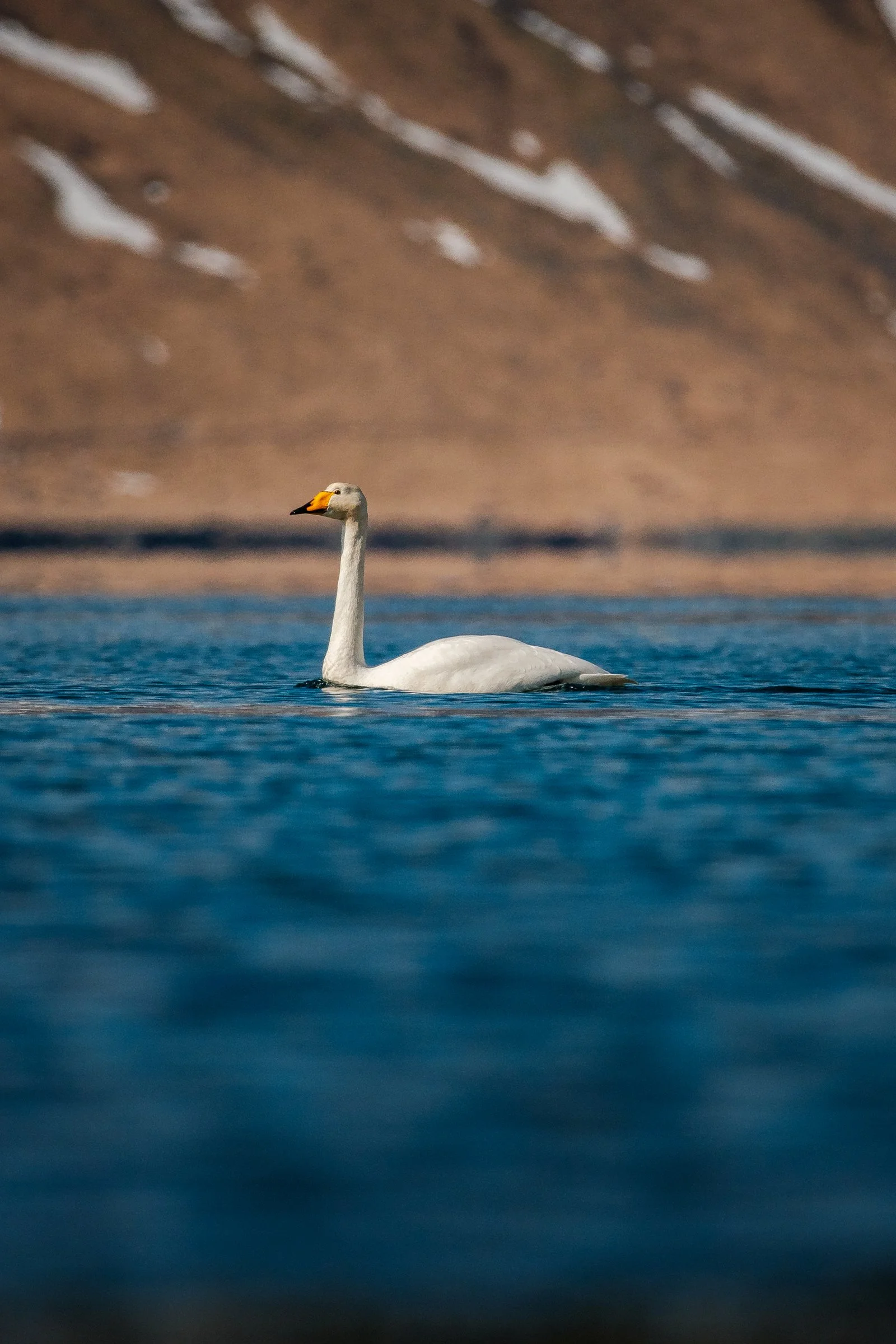
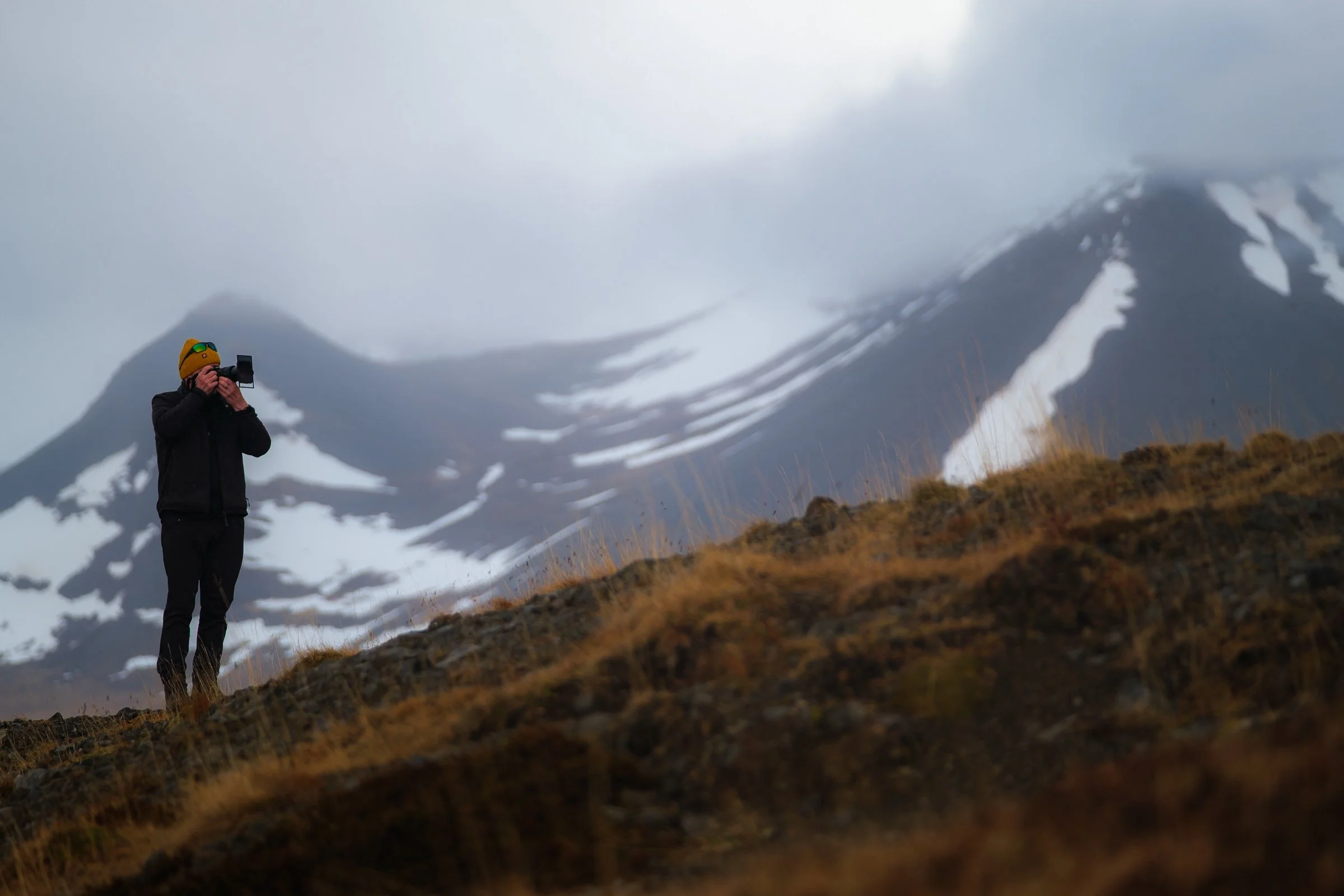
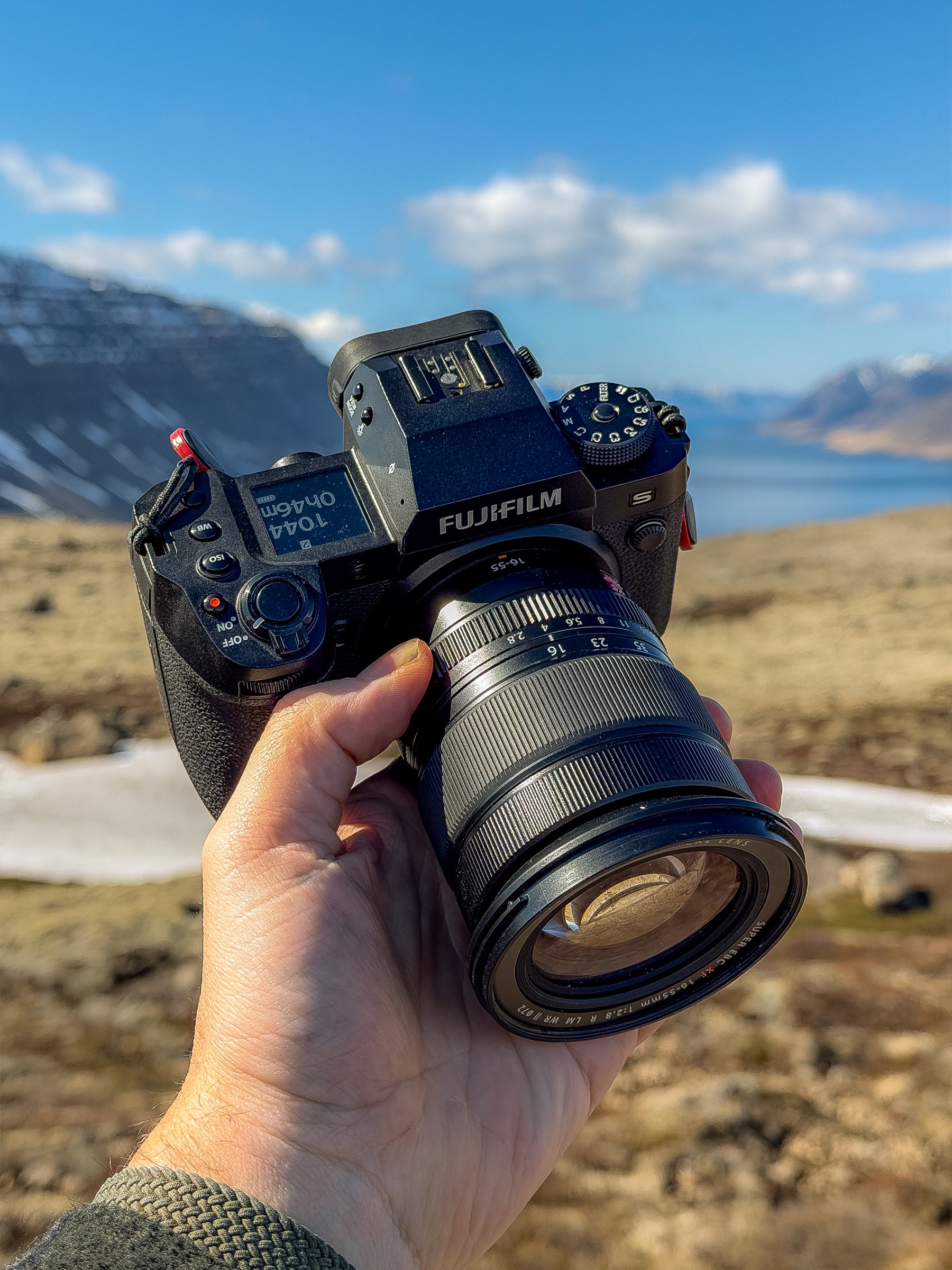
During this trip I had the opportunity to work with equipment from Fujifilm: the X-H2S, paired with the XF 150-600mm f5.6-8, XF 16-55mm f2.8 II, and the XF 8-16mm f/.8.
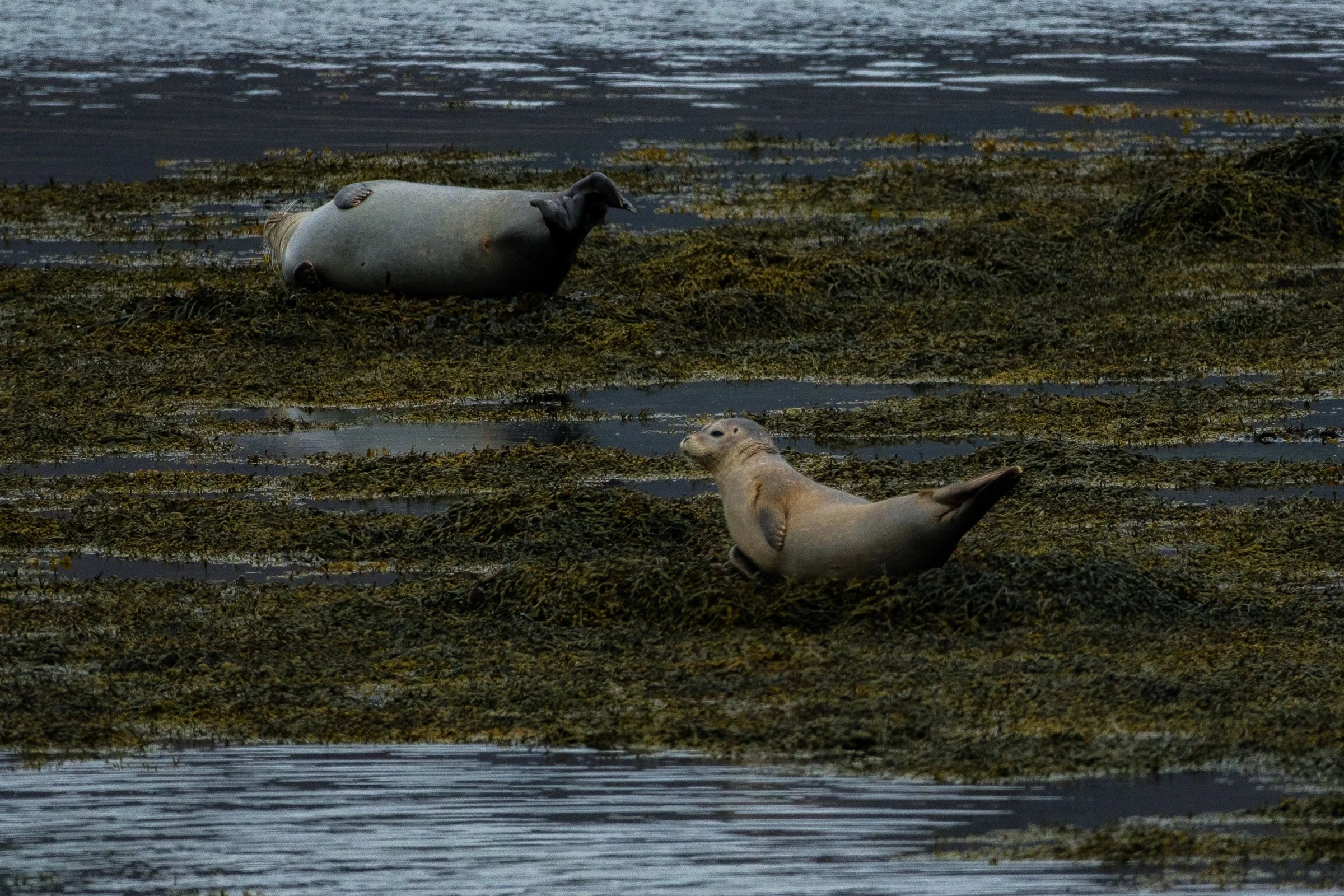
A very versatile setup that allowed me to move quickly between wide, expansive scenes and distant details in the landscape and wildlife that would otherwise be easy to miss. I did bring some of my own Fujifilm gear too. The XT4, and the 50-140mm f2.8 for example.
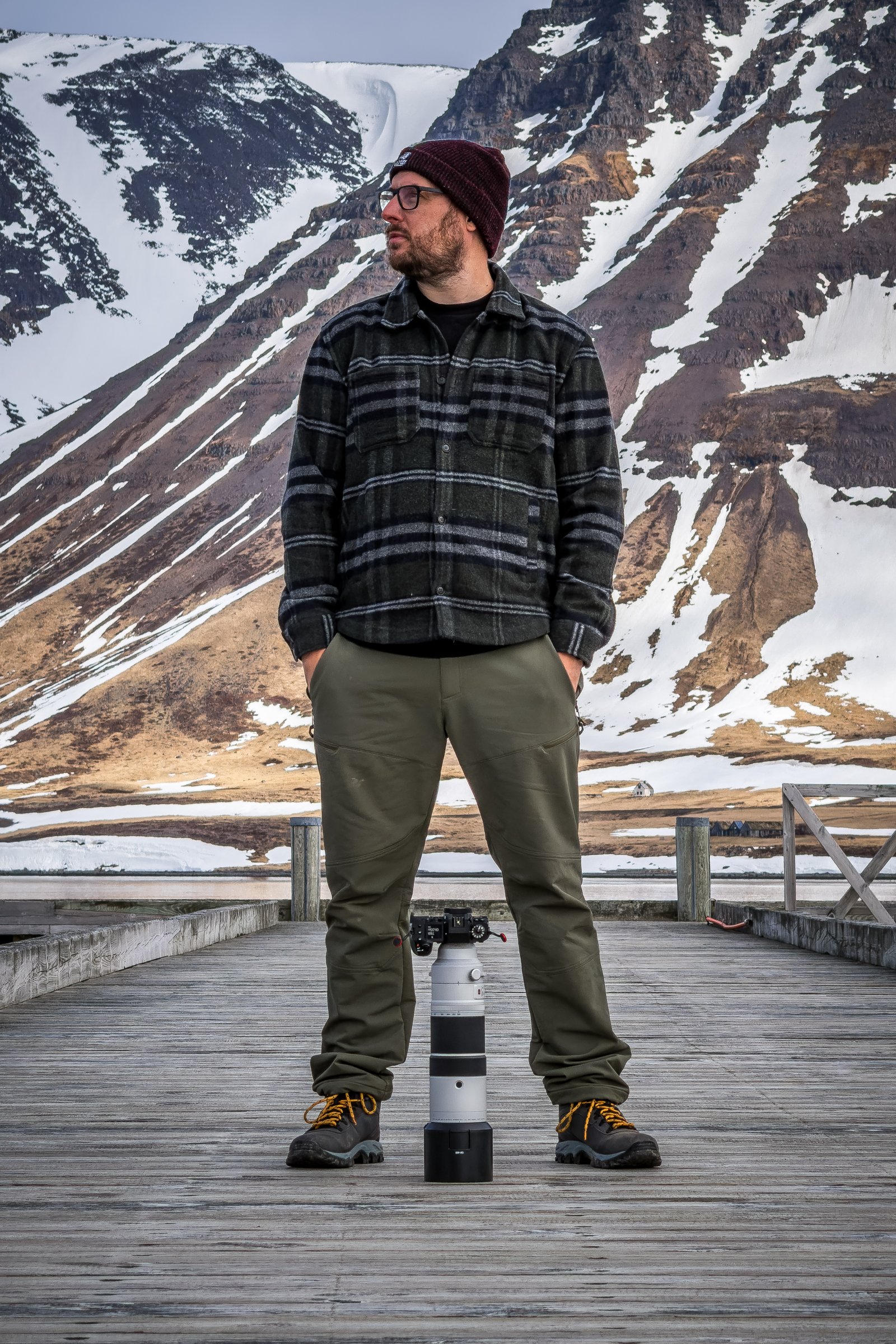
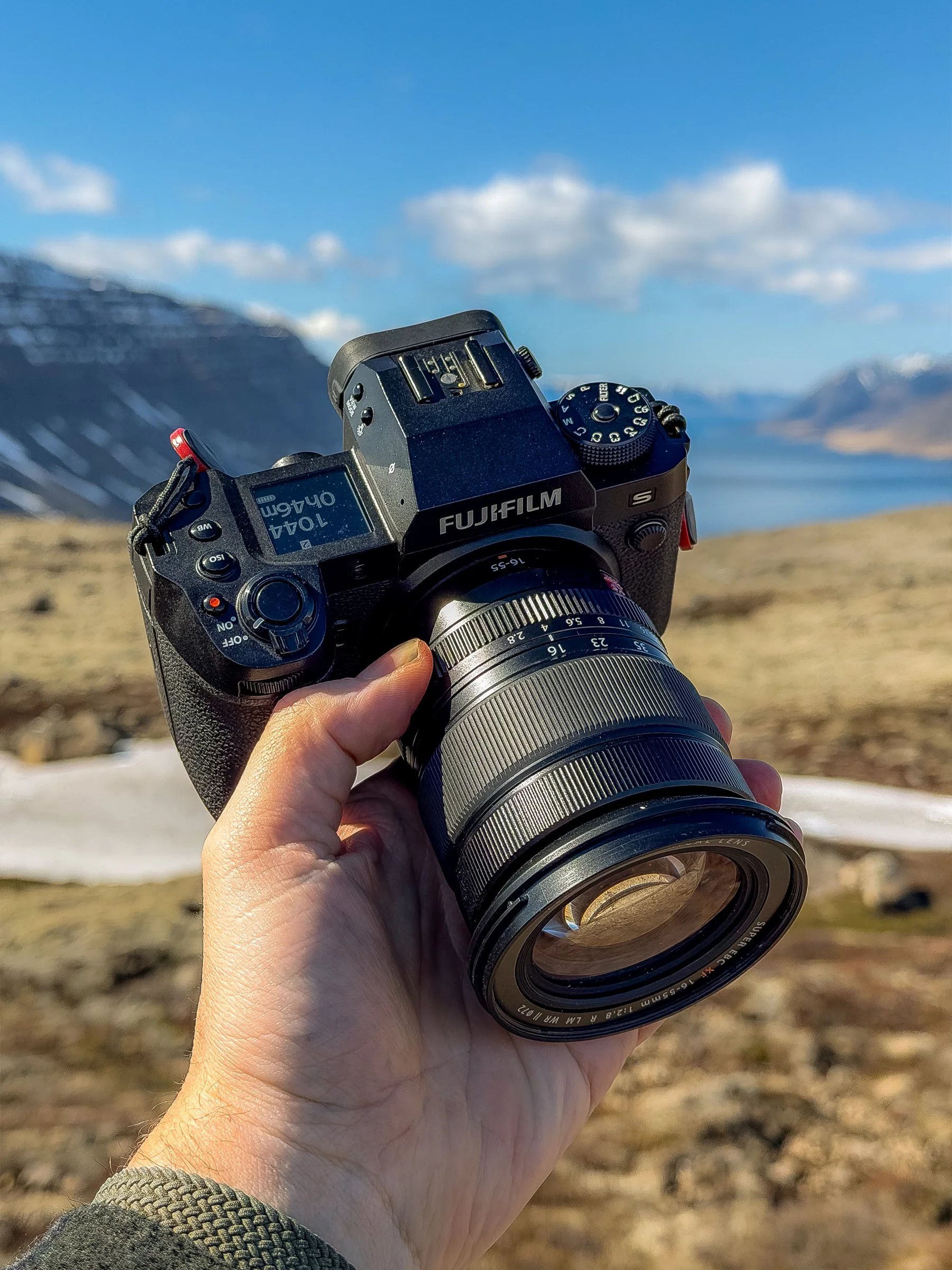
What stood out most was how natural it felt to work with. Responsive autofocus, reliable performance, and a workflow that never got in the way meant I could stay fully focused on the scene in front of me. More than anything, it simply brought joy to the process. There’s something powerful about using gear that disappears in your hands and lets you stay present in the moment — especially in a landscape as dynamic and demanding as Iceland’s Westfjords.

What makes returning here so special is not just the photography itself, but the sense of familiarity with a place that has become almost like a second home. The Westfjords don’t offer comfort or predictability, but recognition — of rugged terrain, shifting light, and the quiet that is always present here.
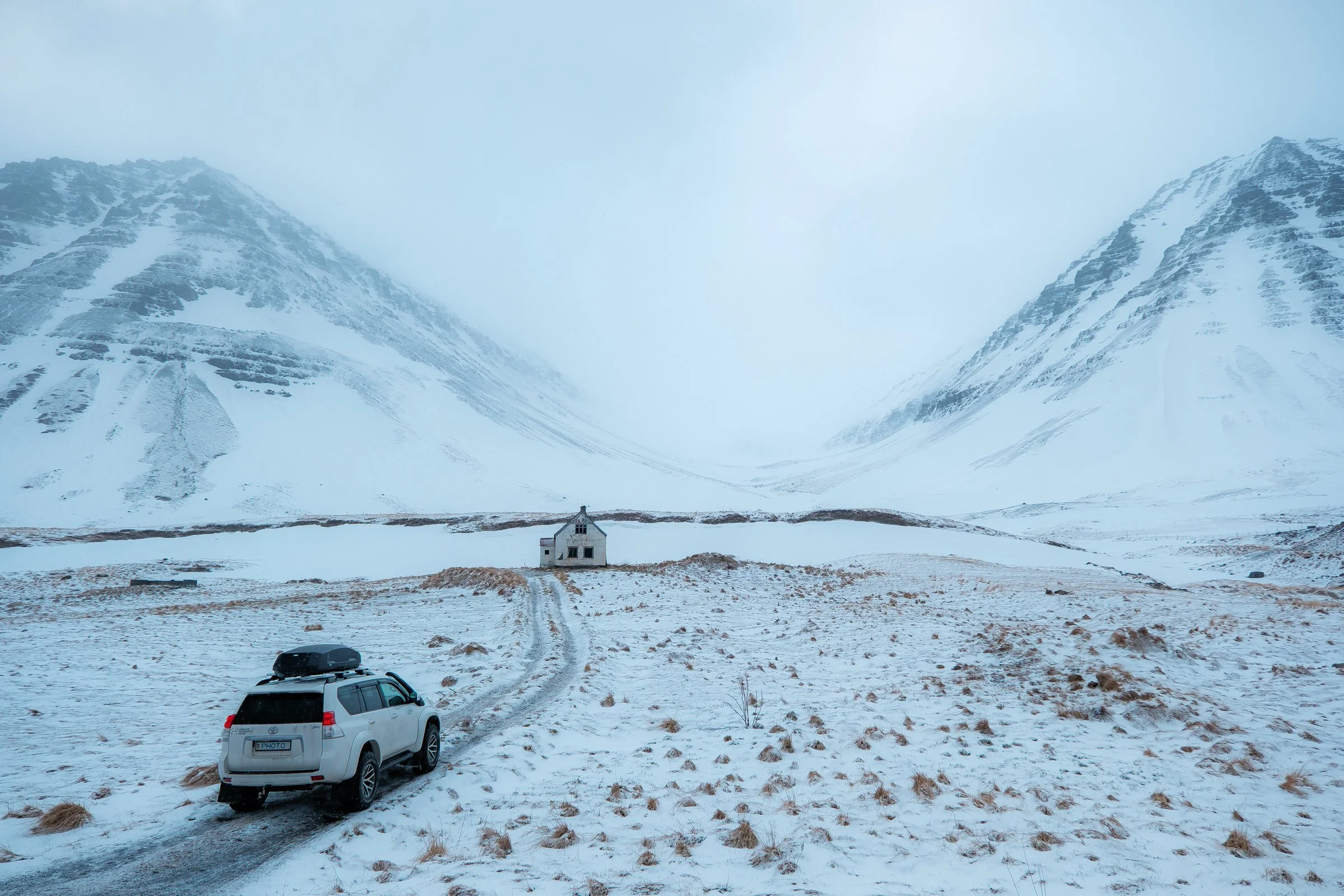
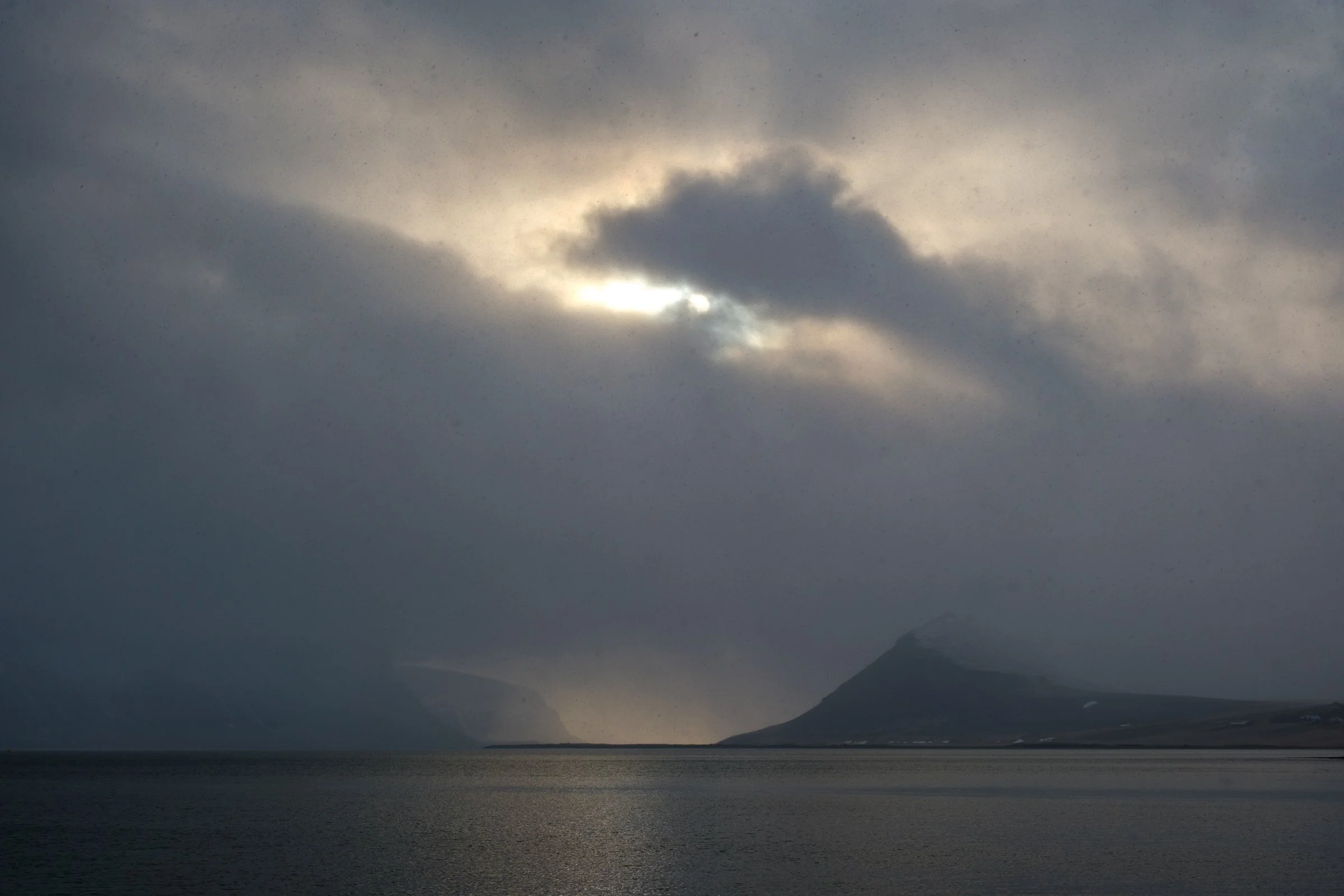
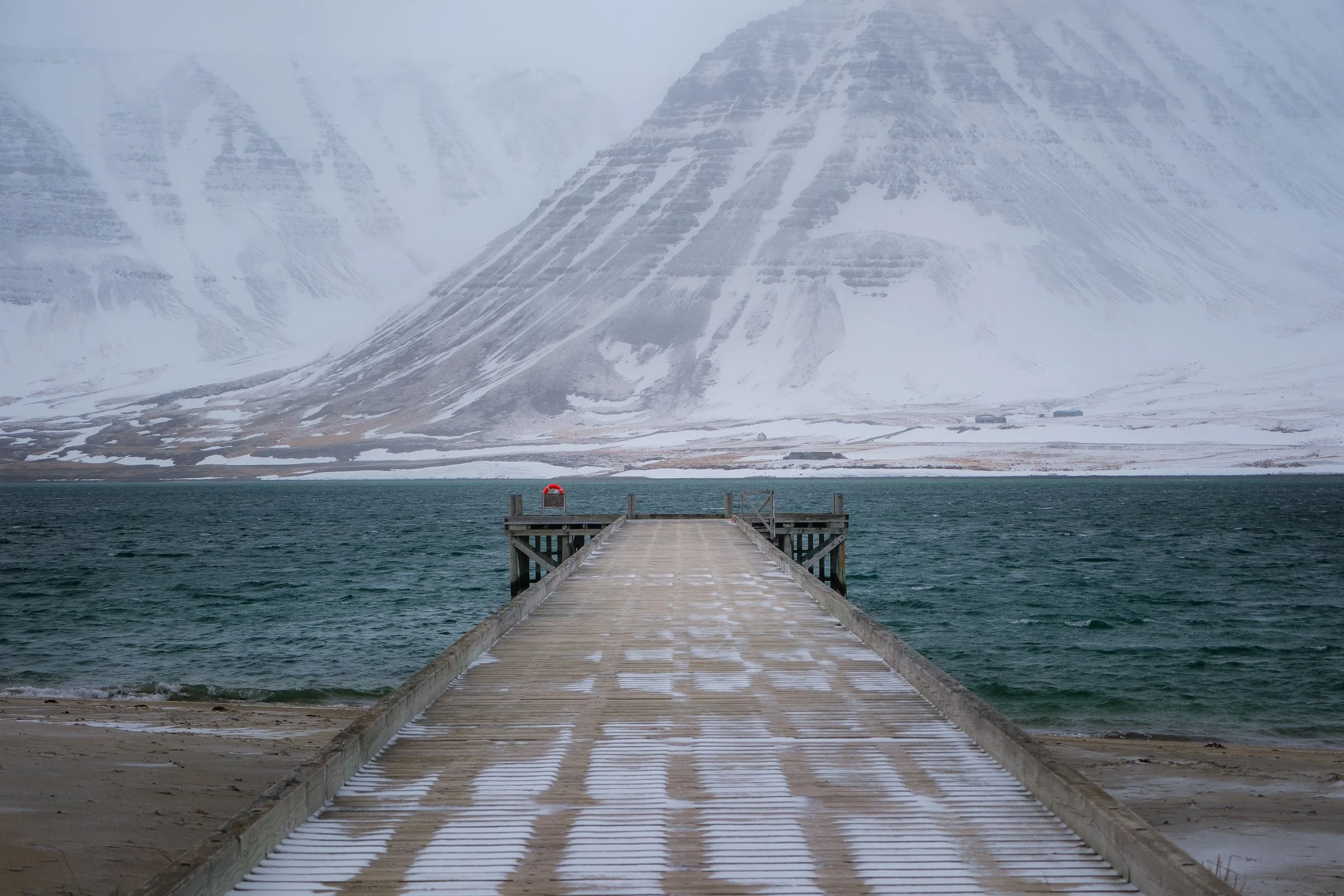
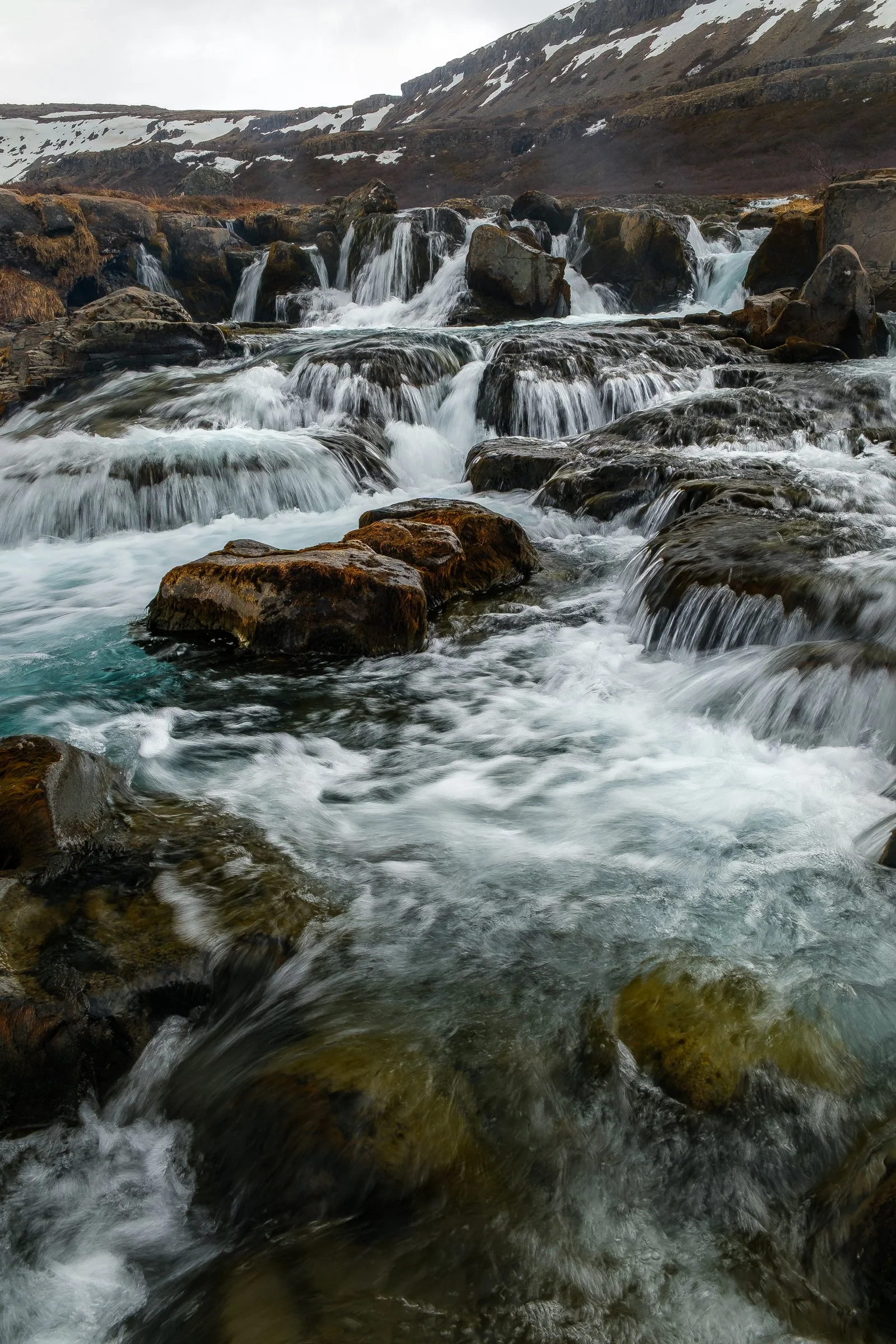
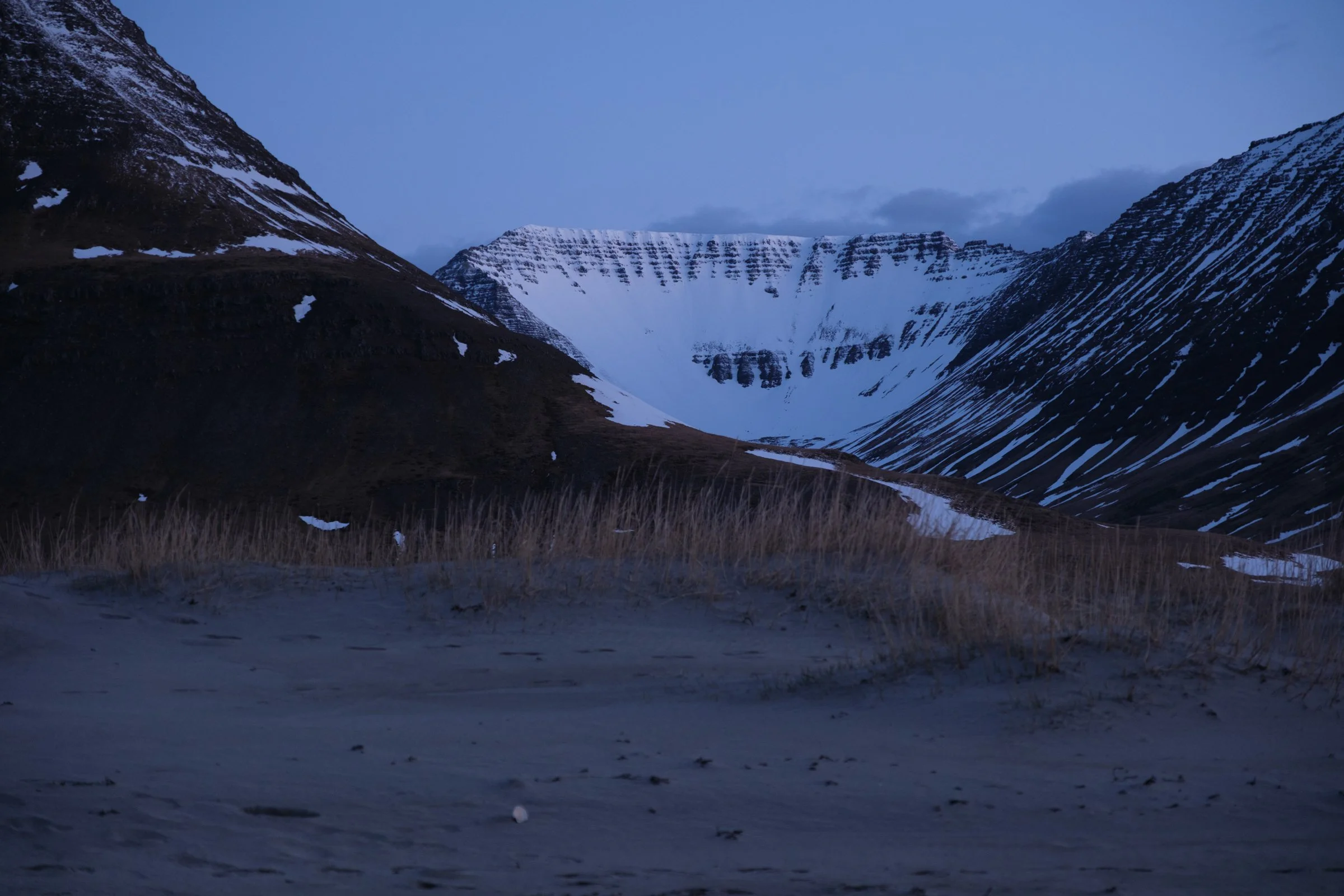
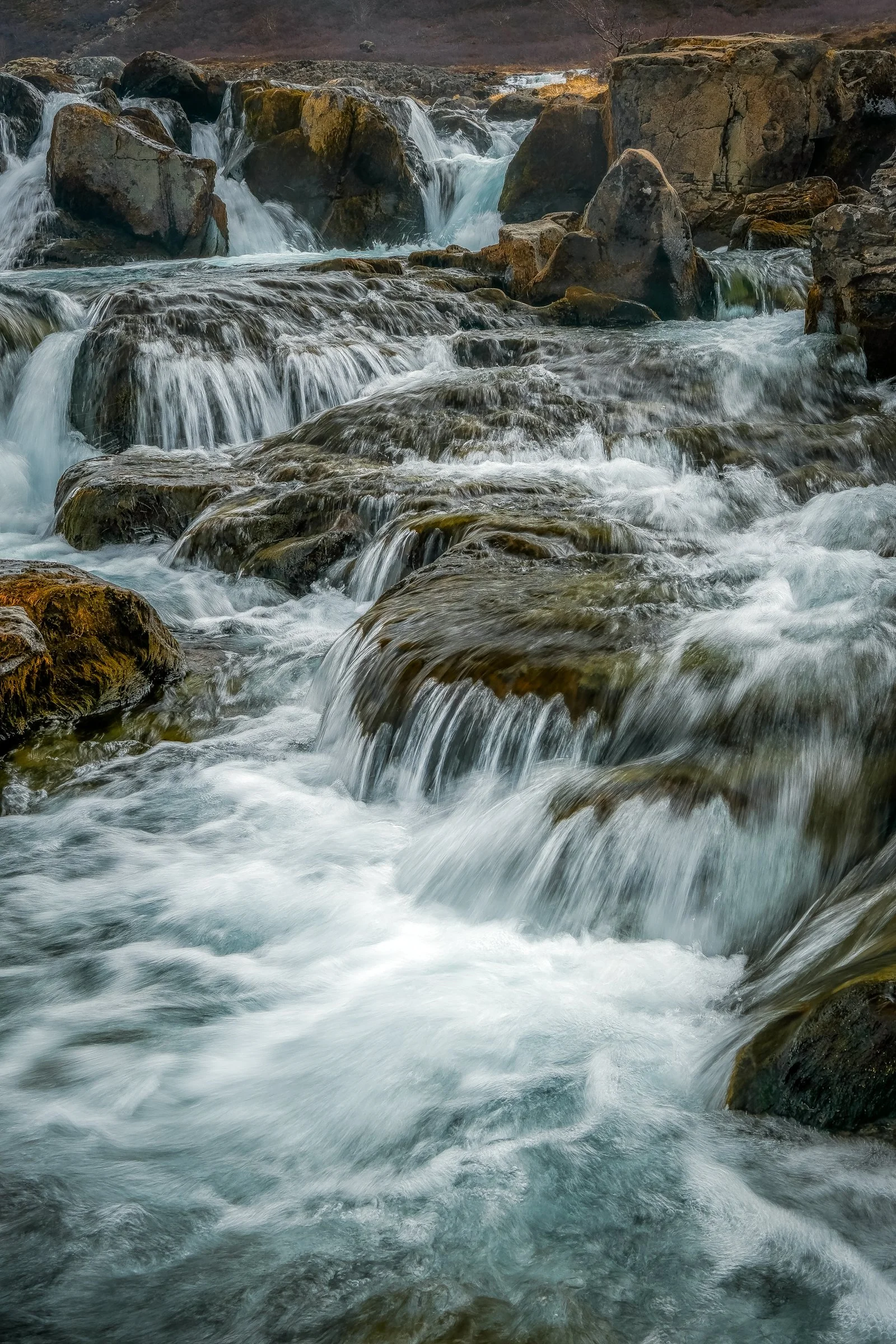
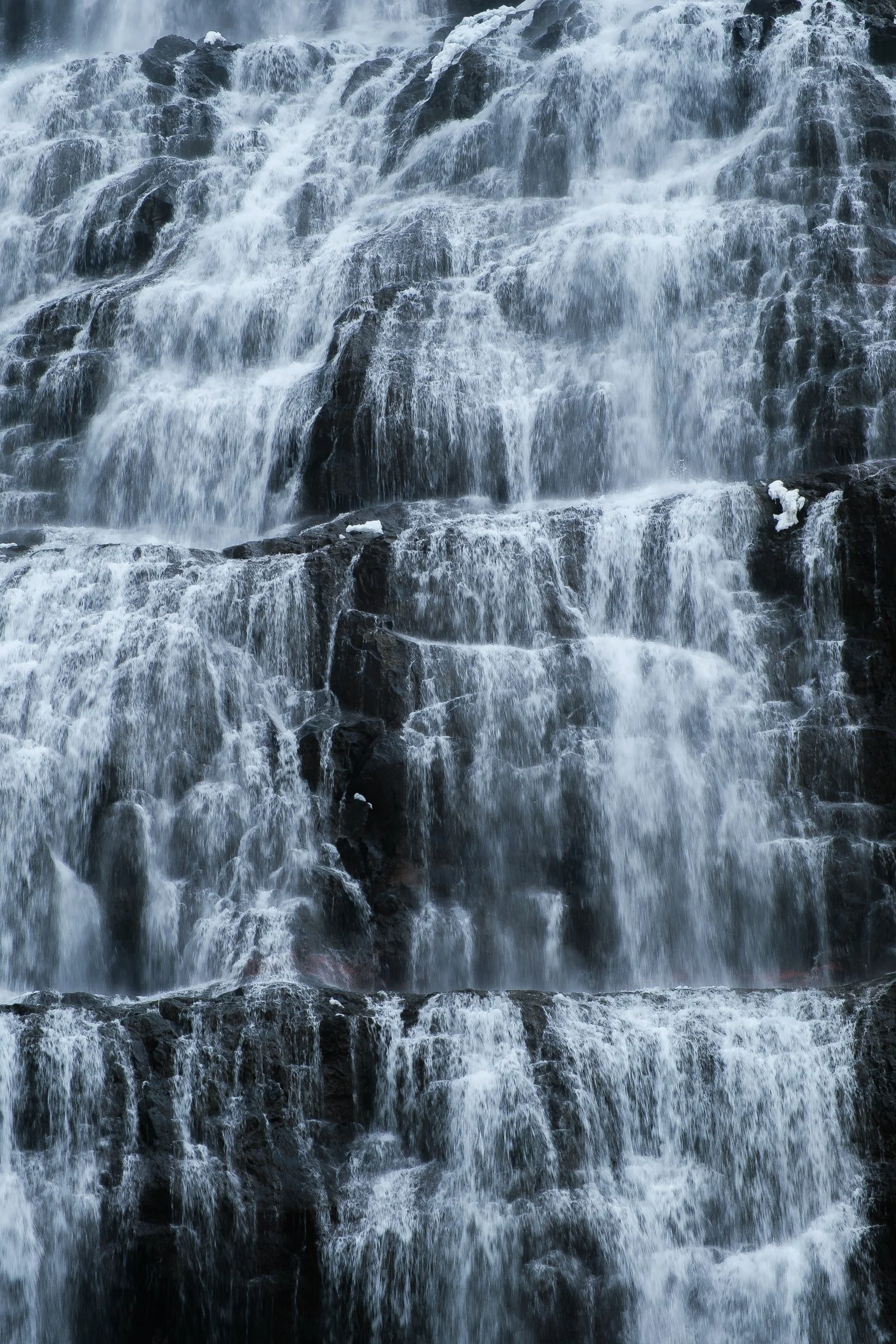
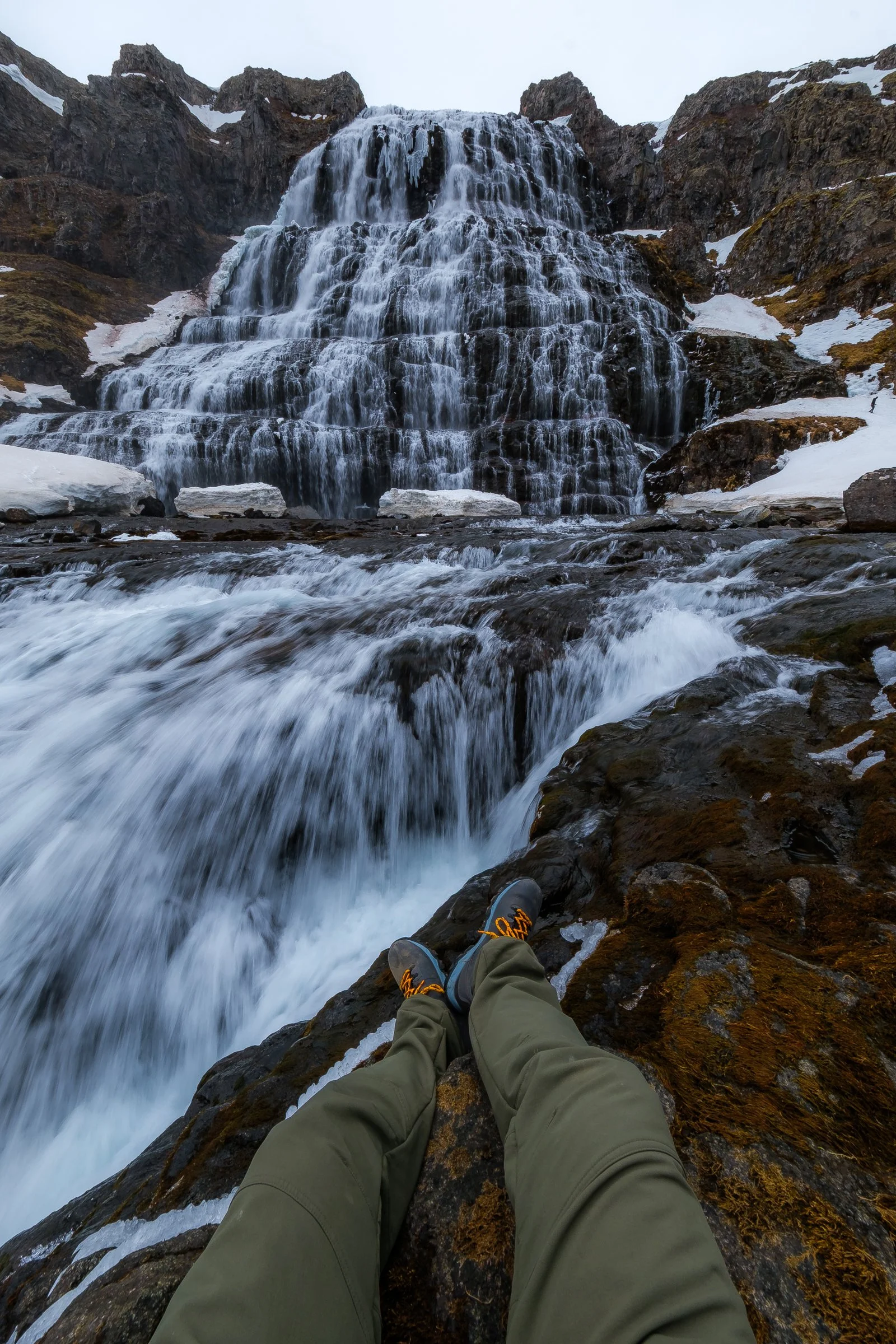
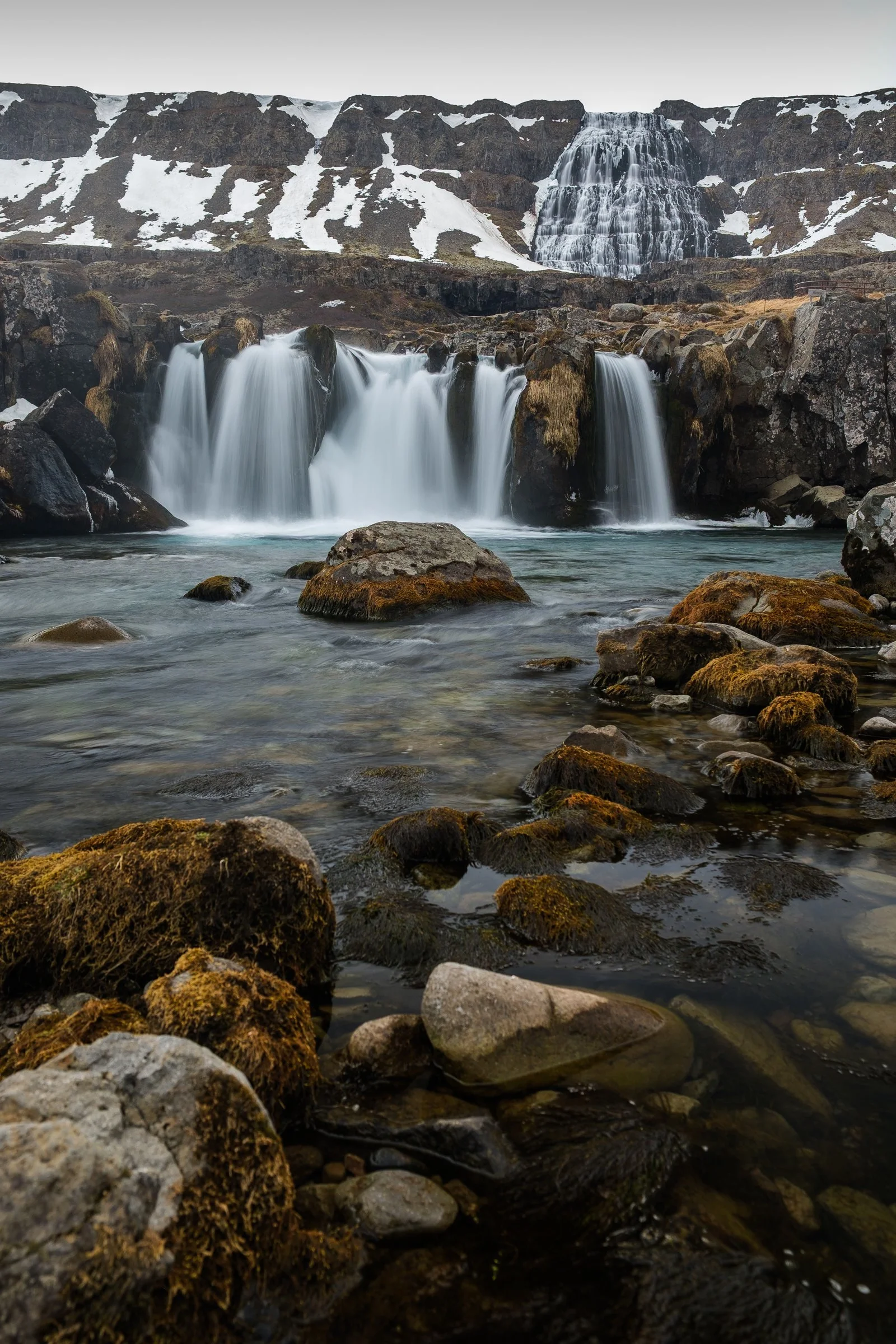
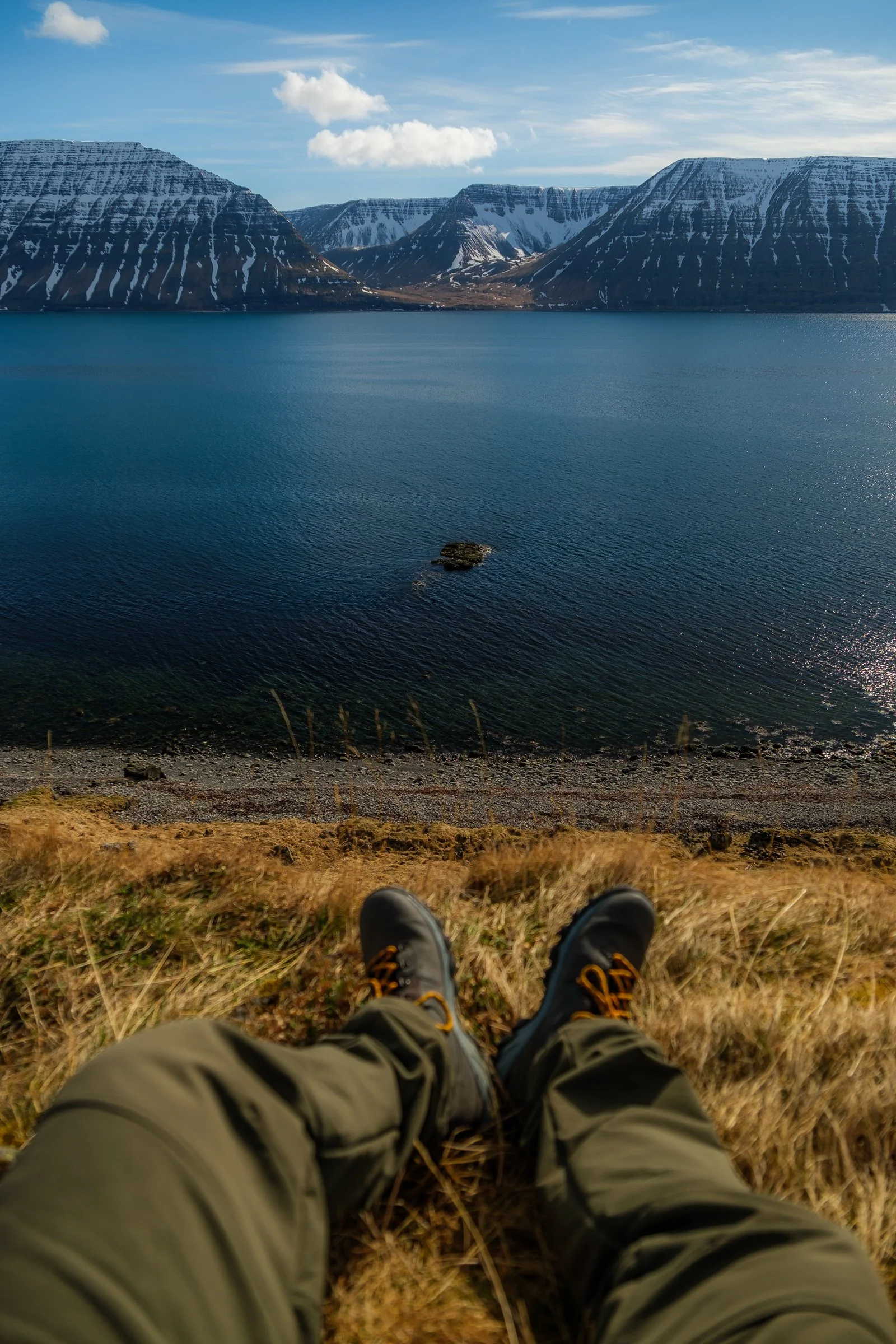
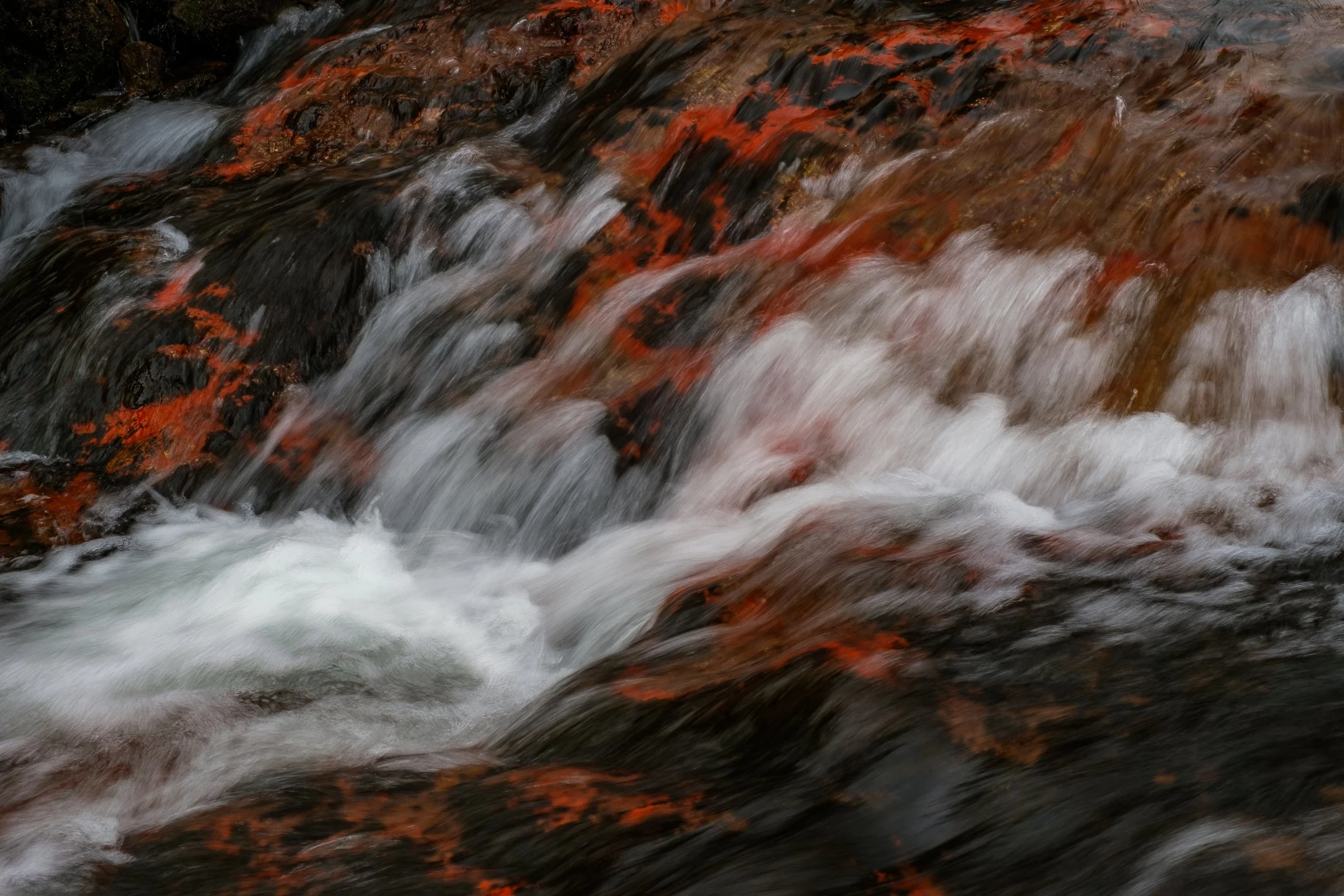
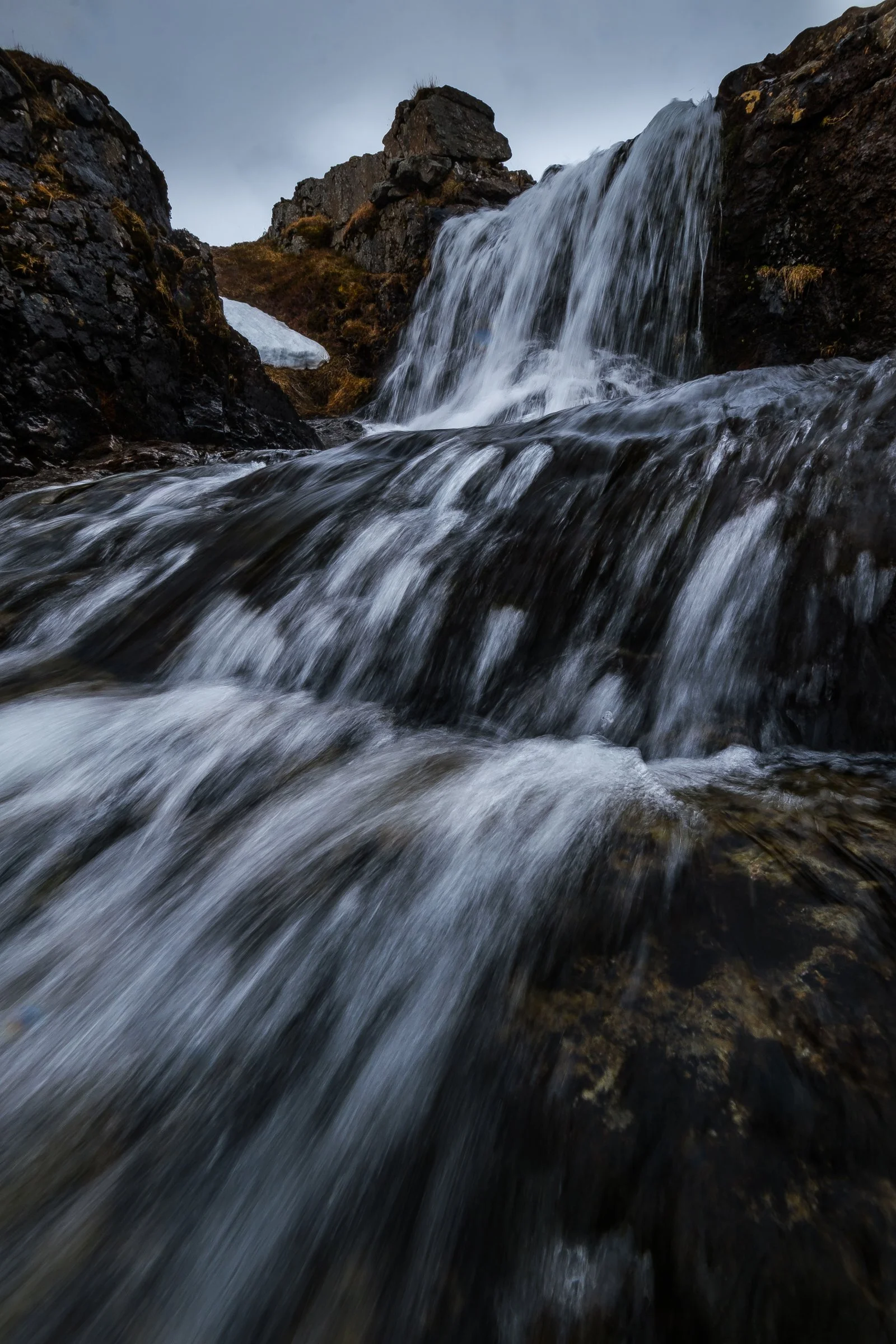
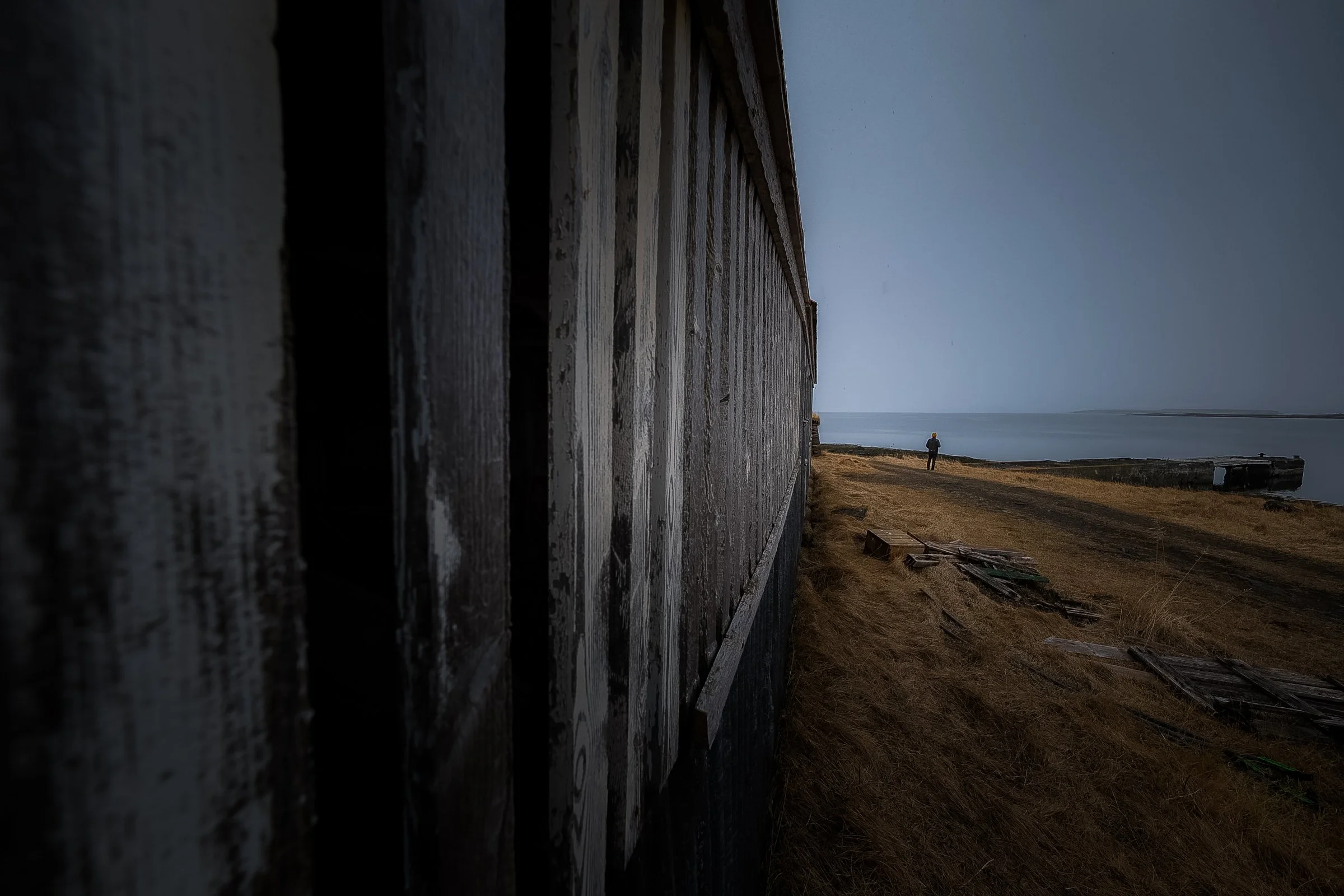
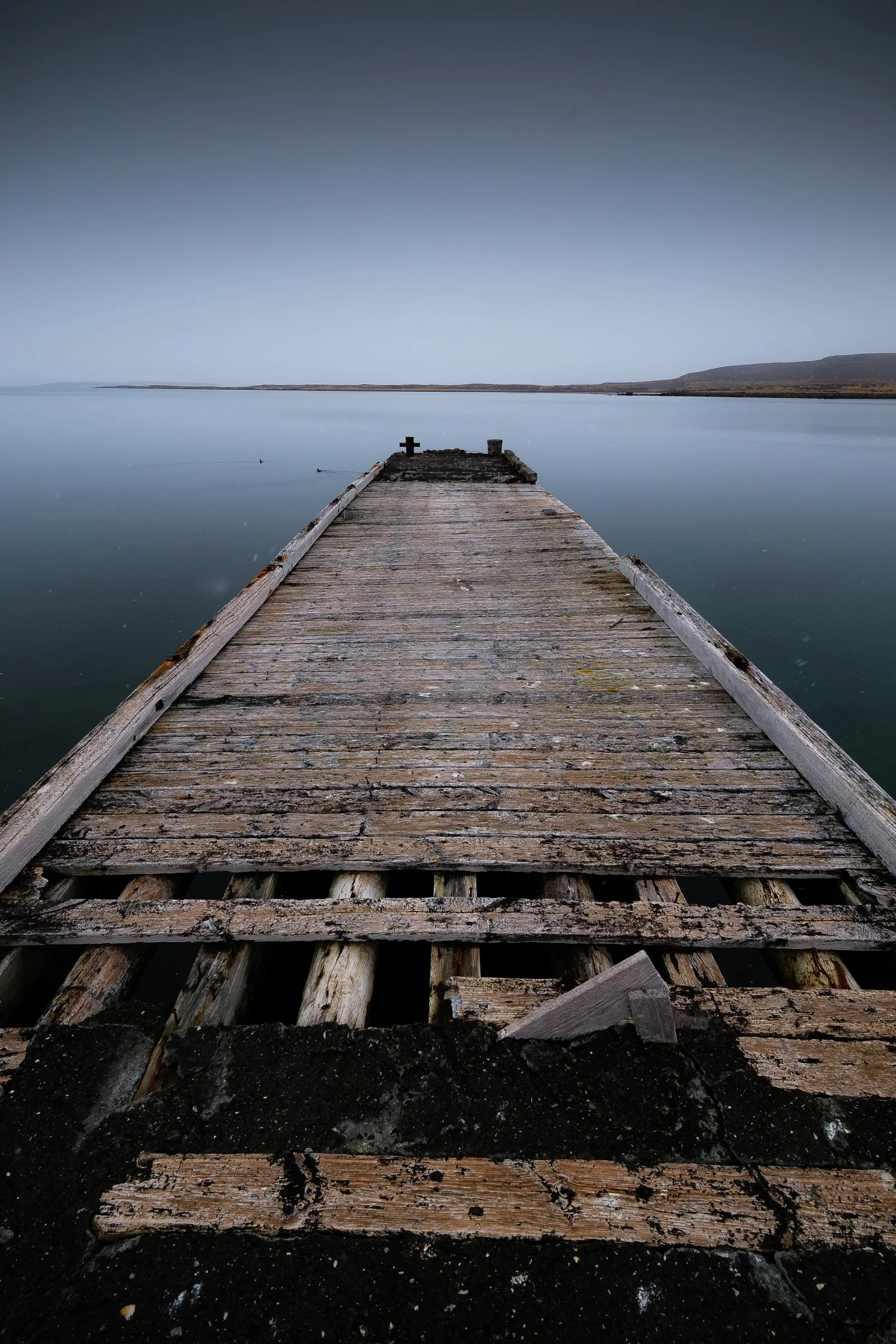
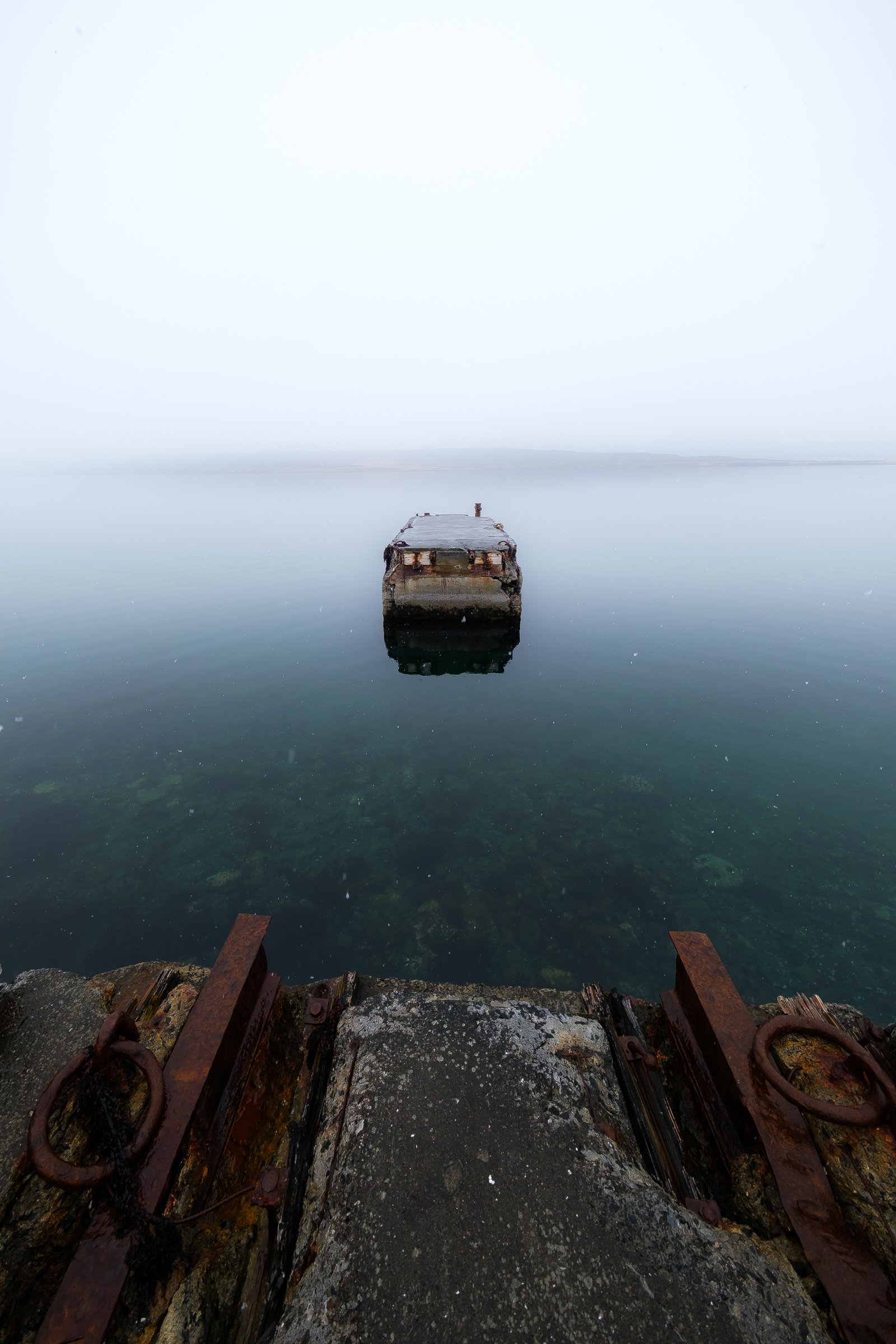
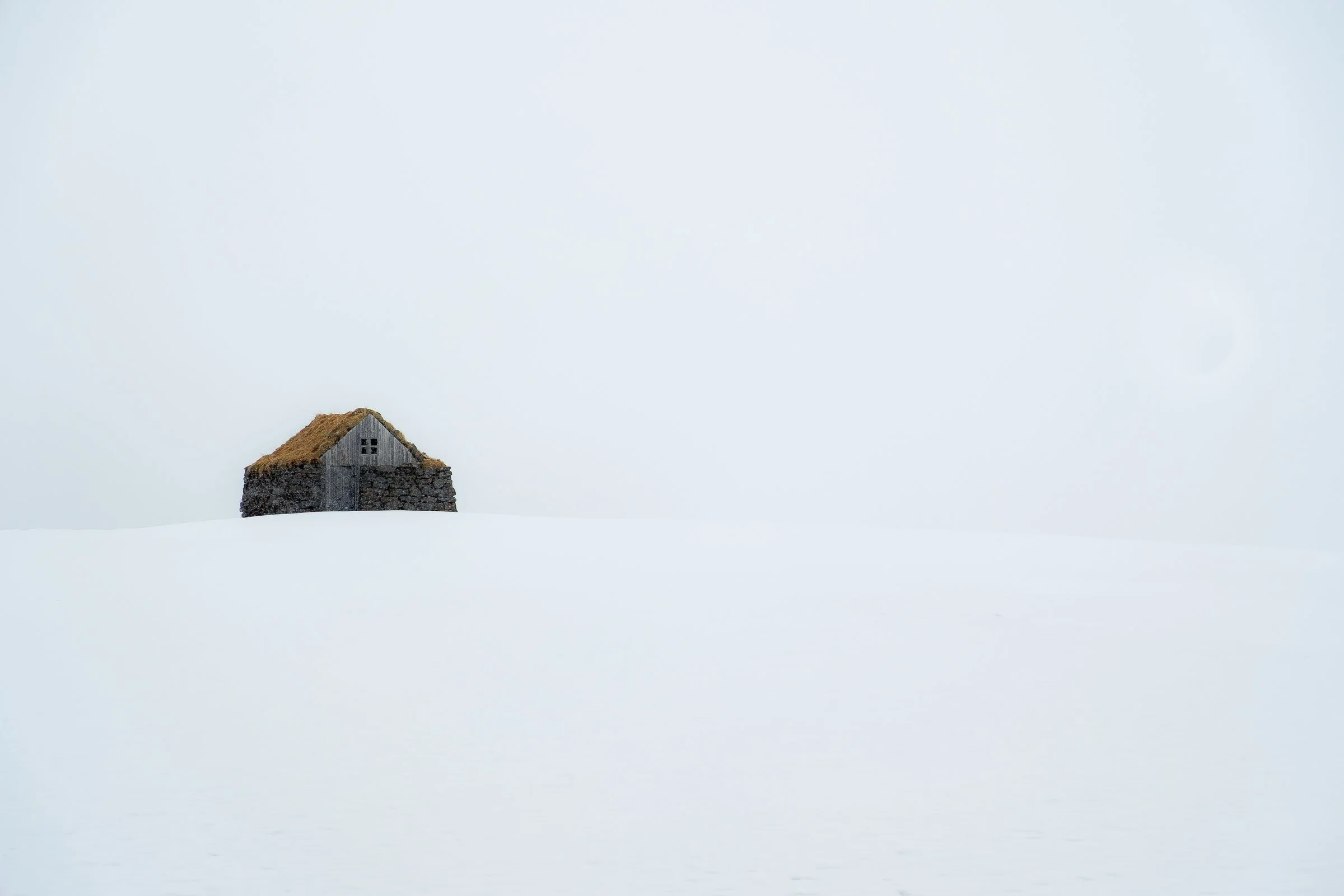
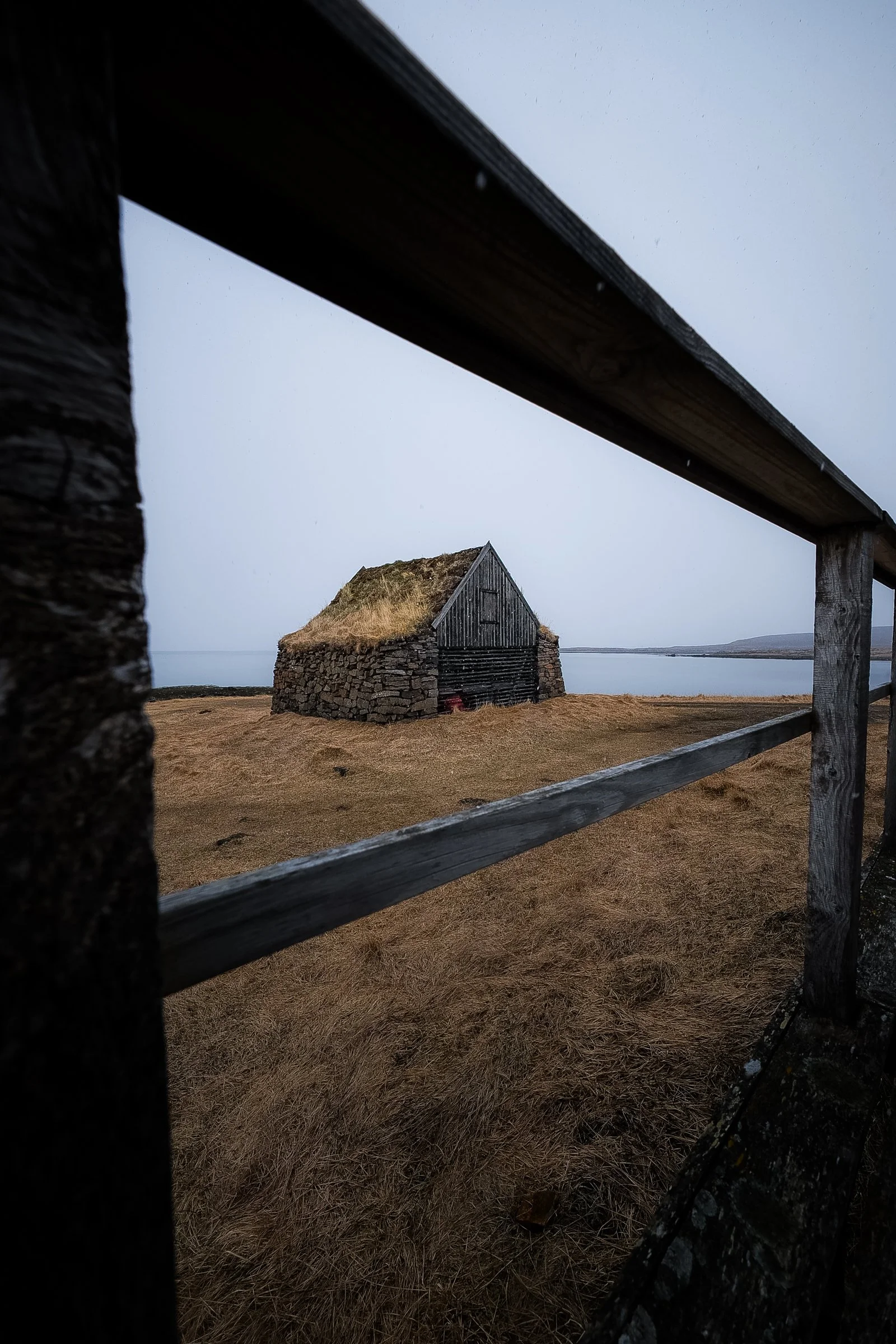
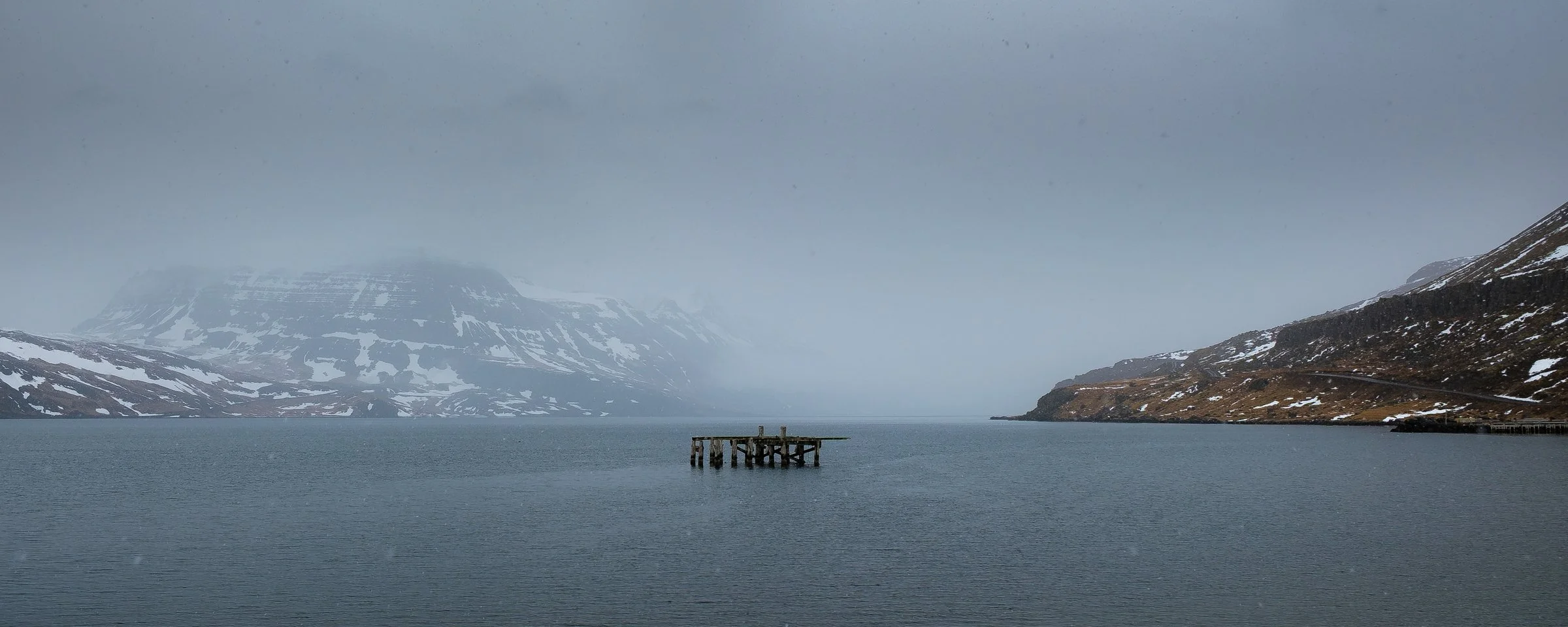
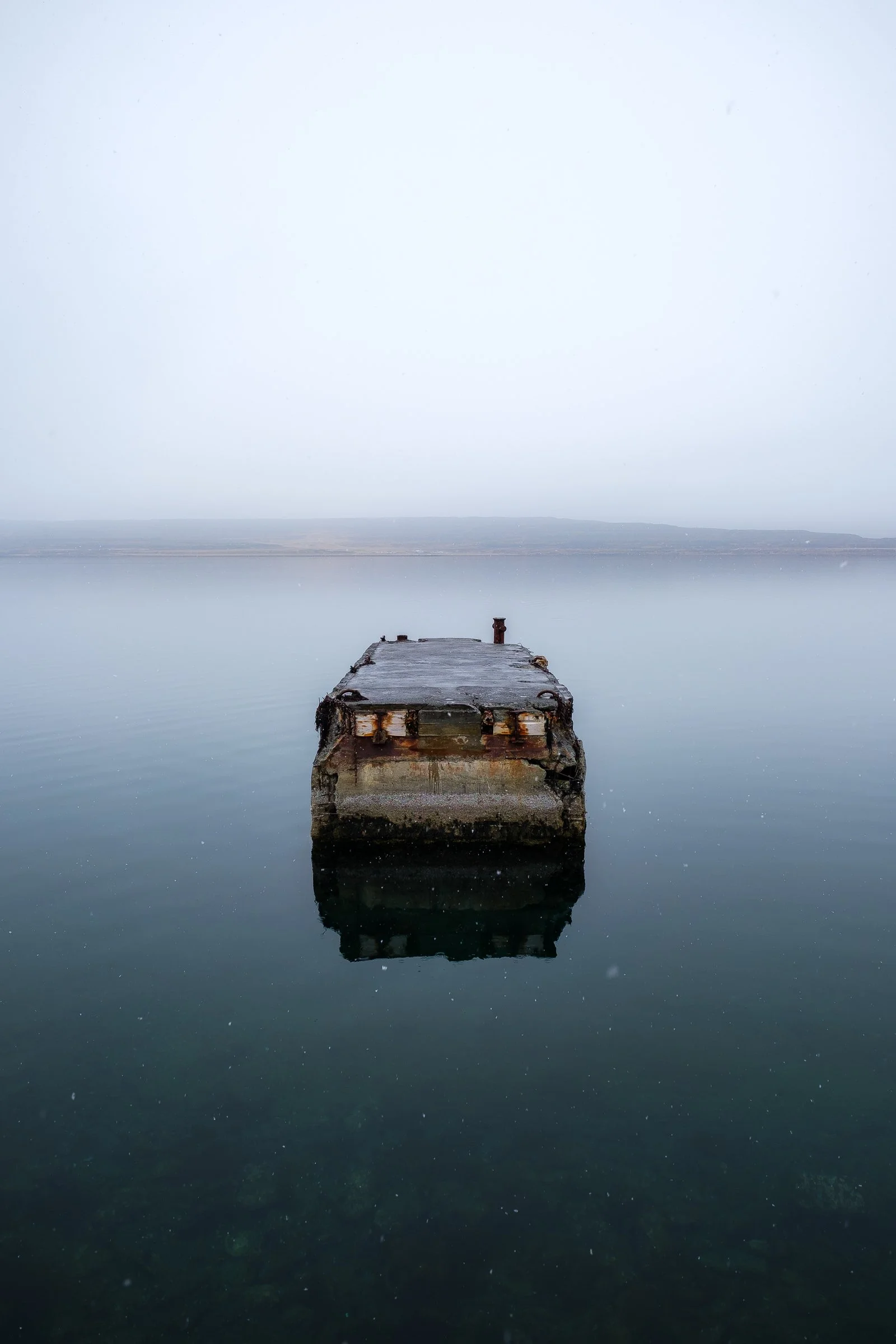
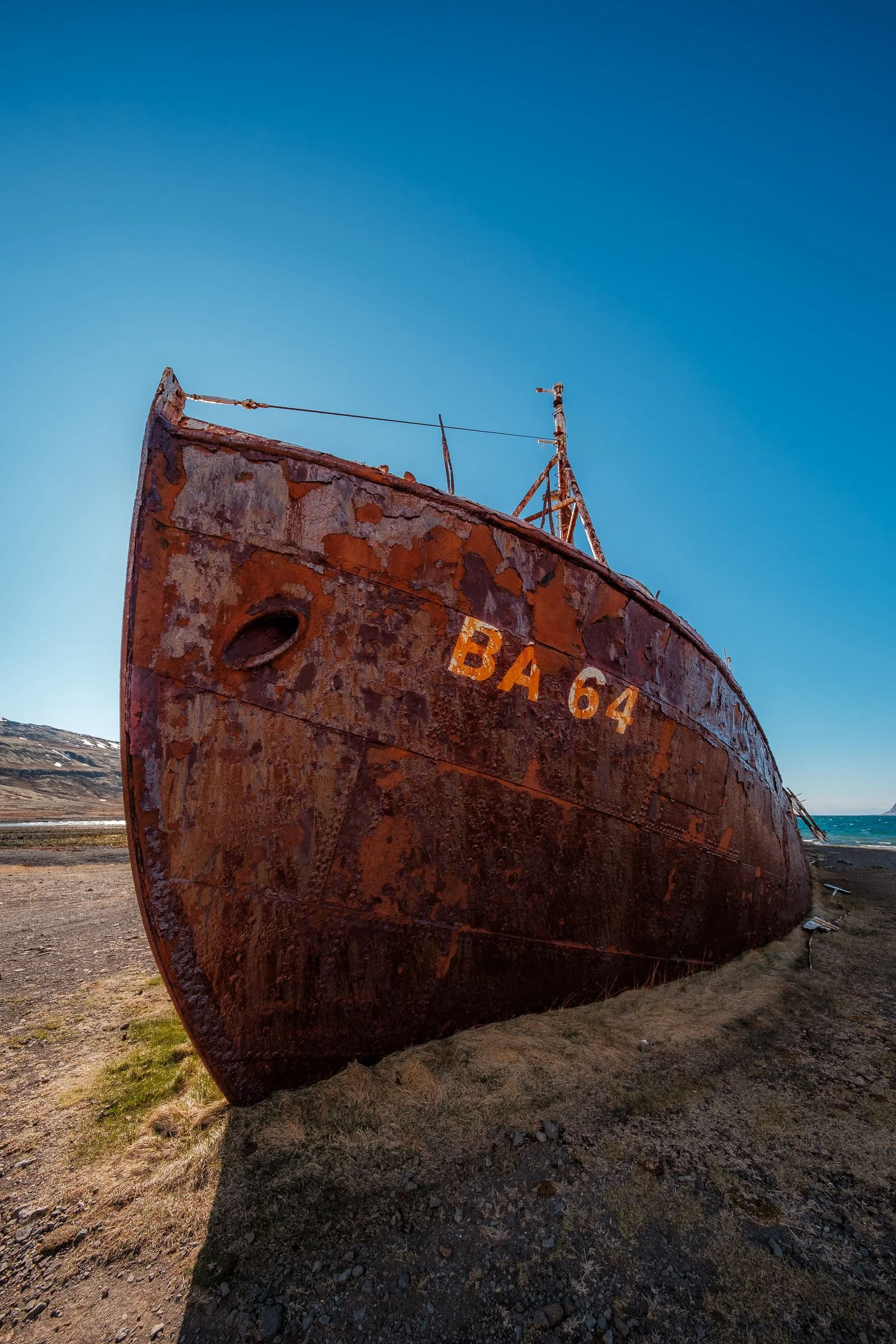
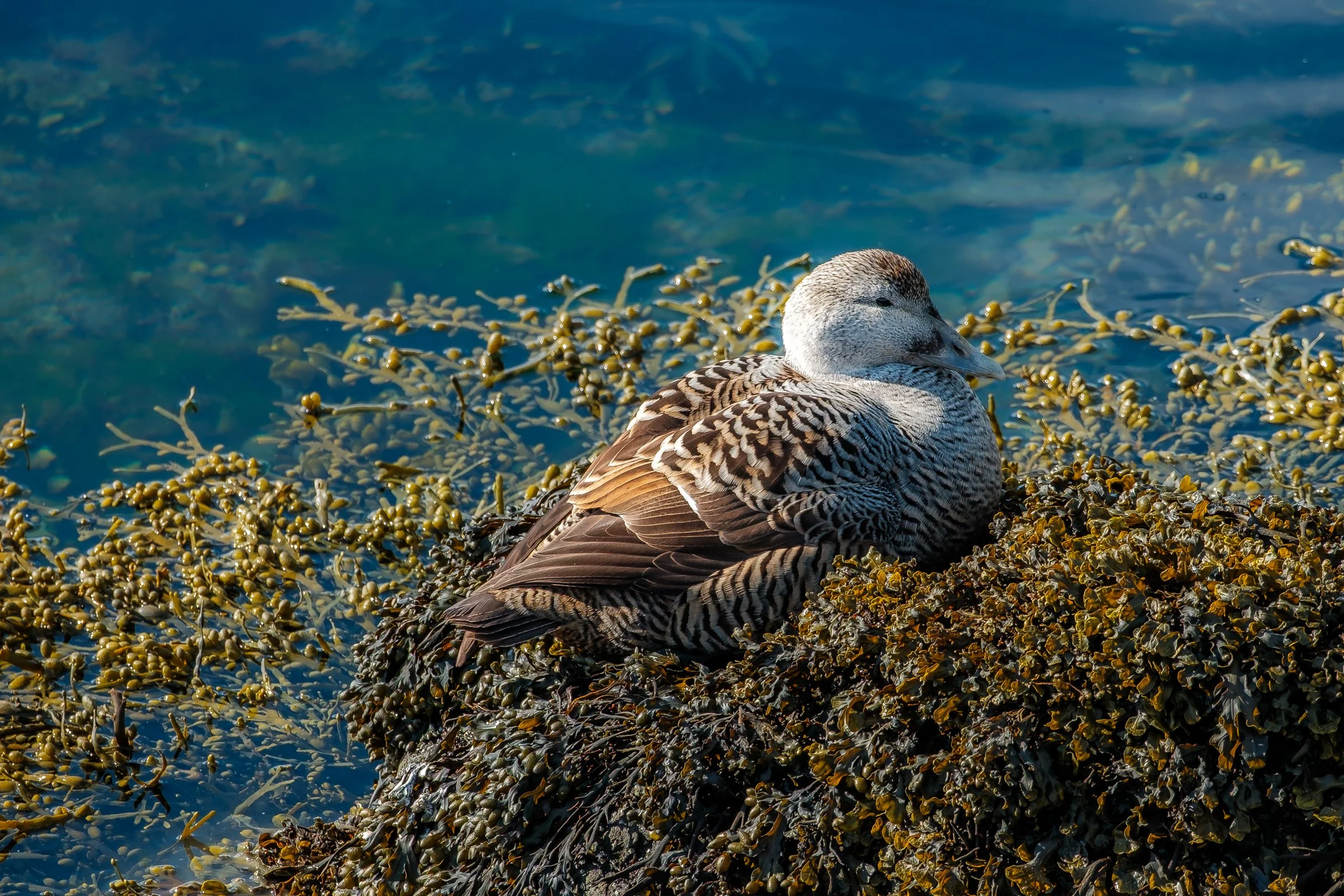
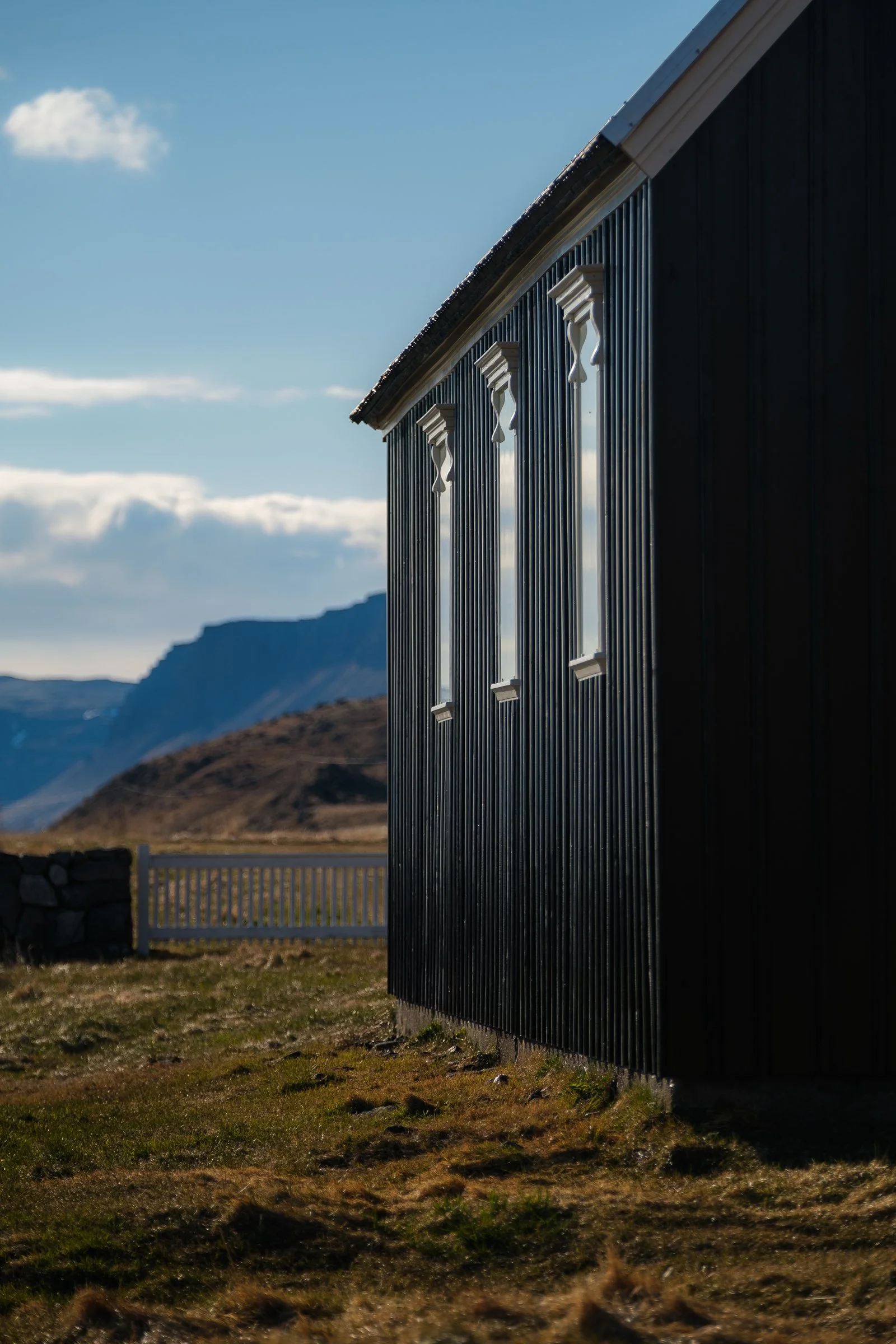
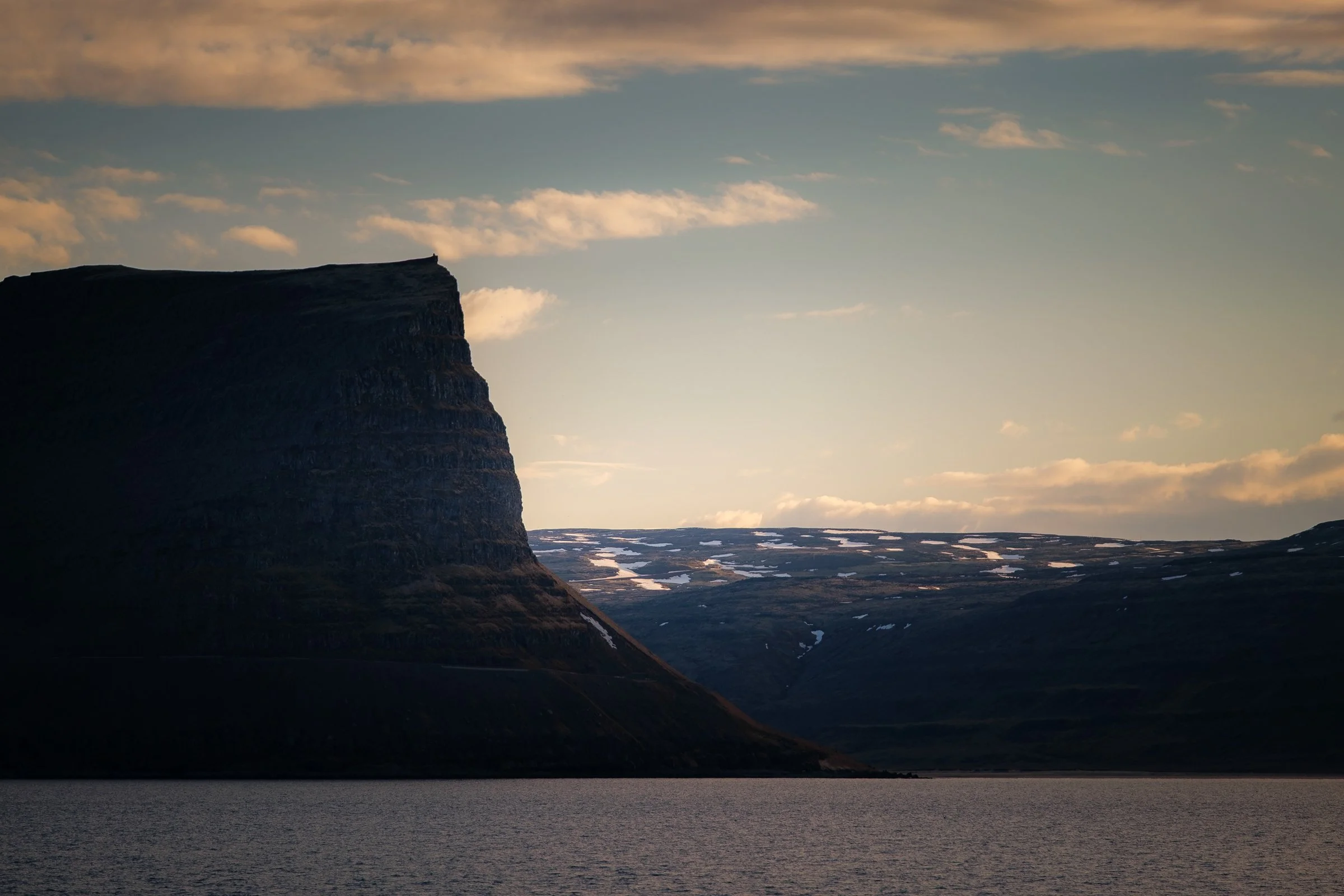
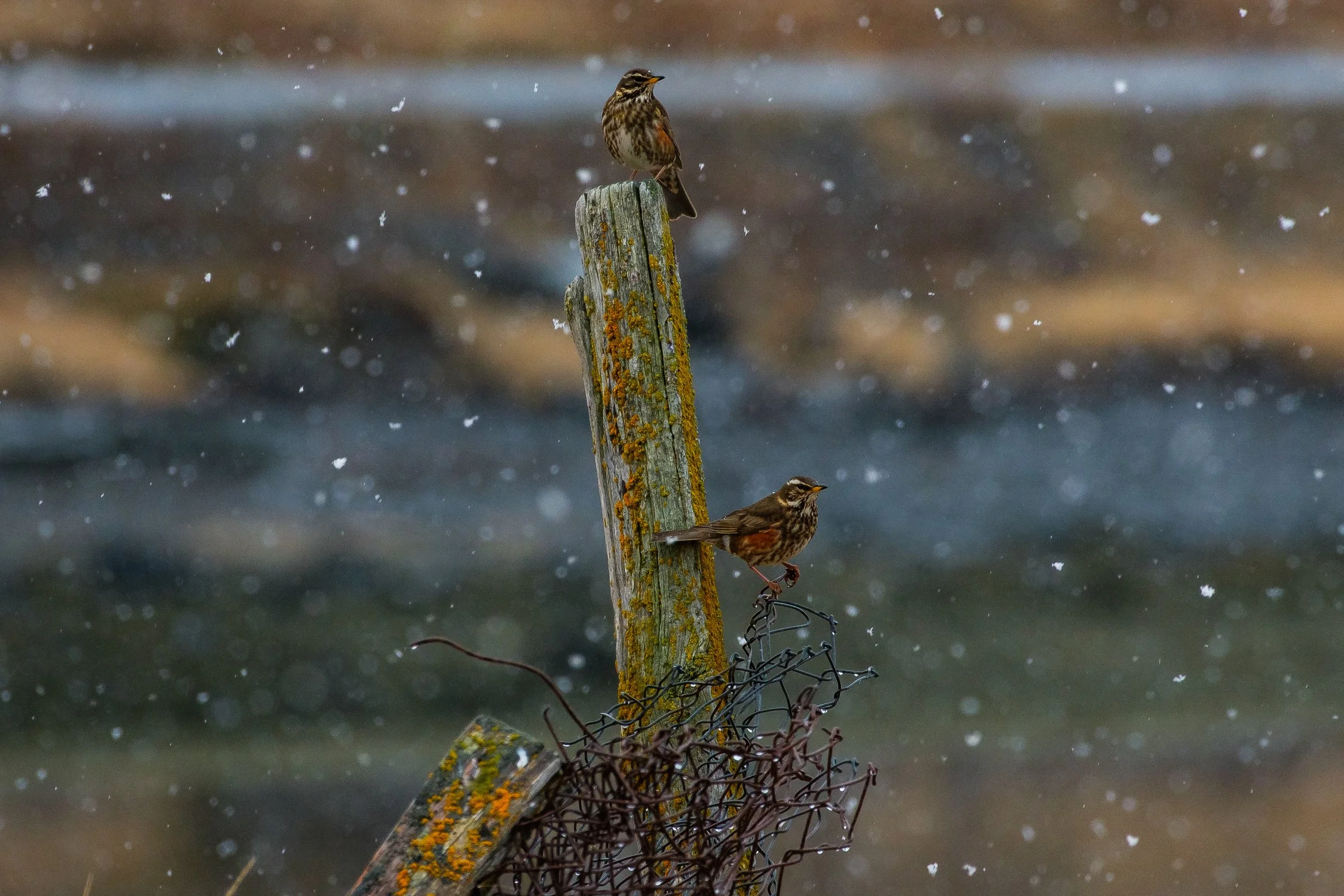
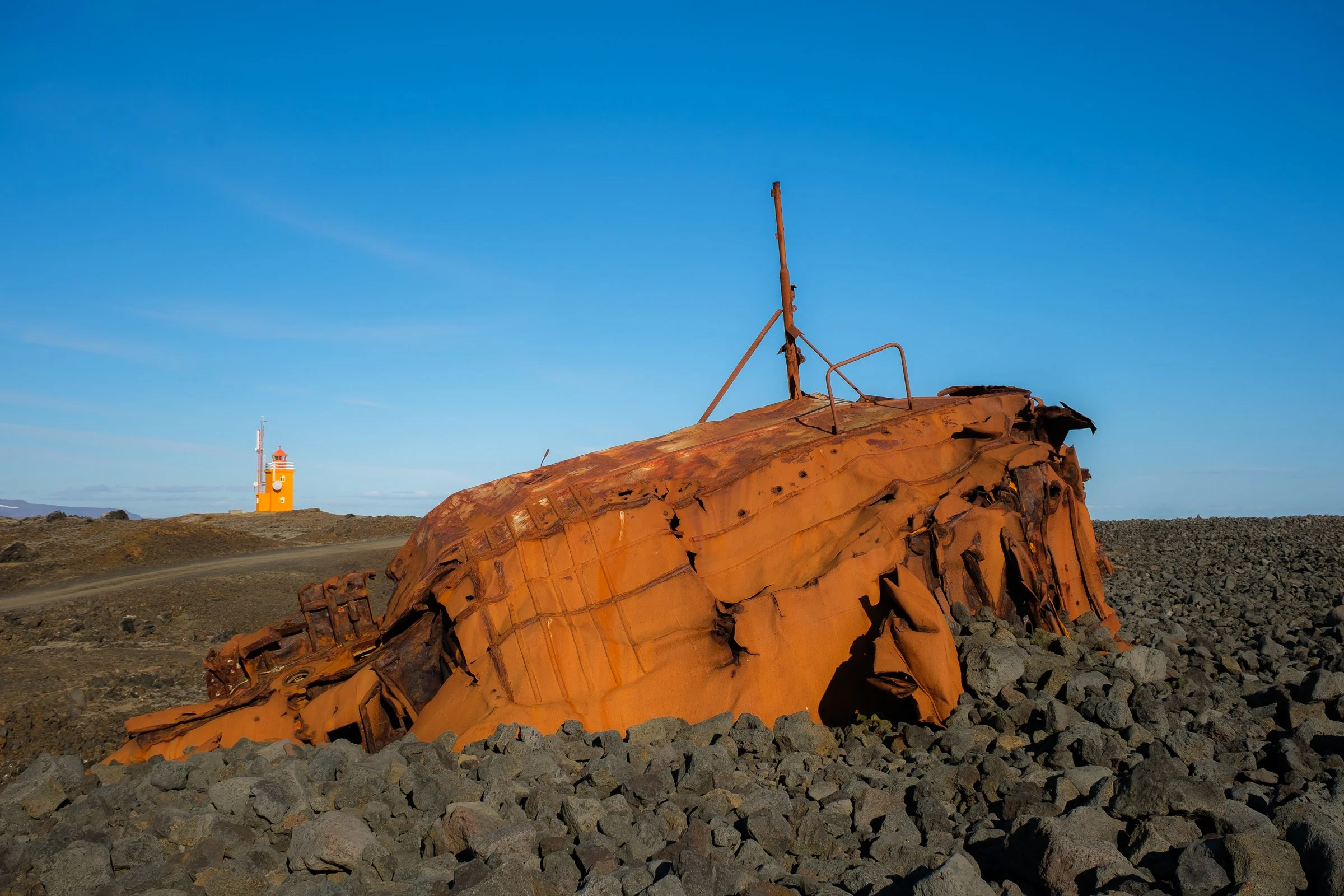
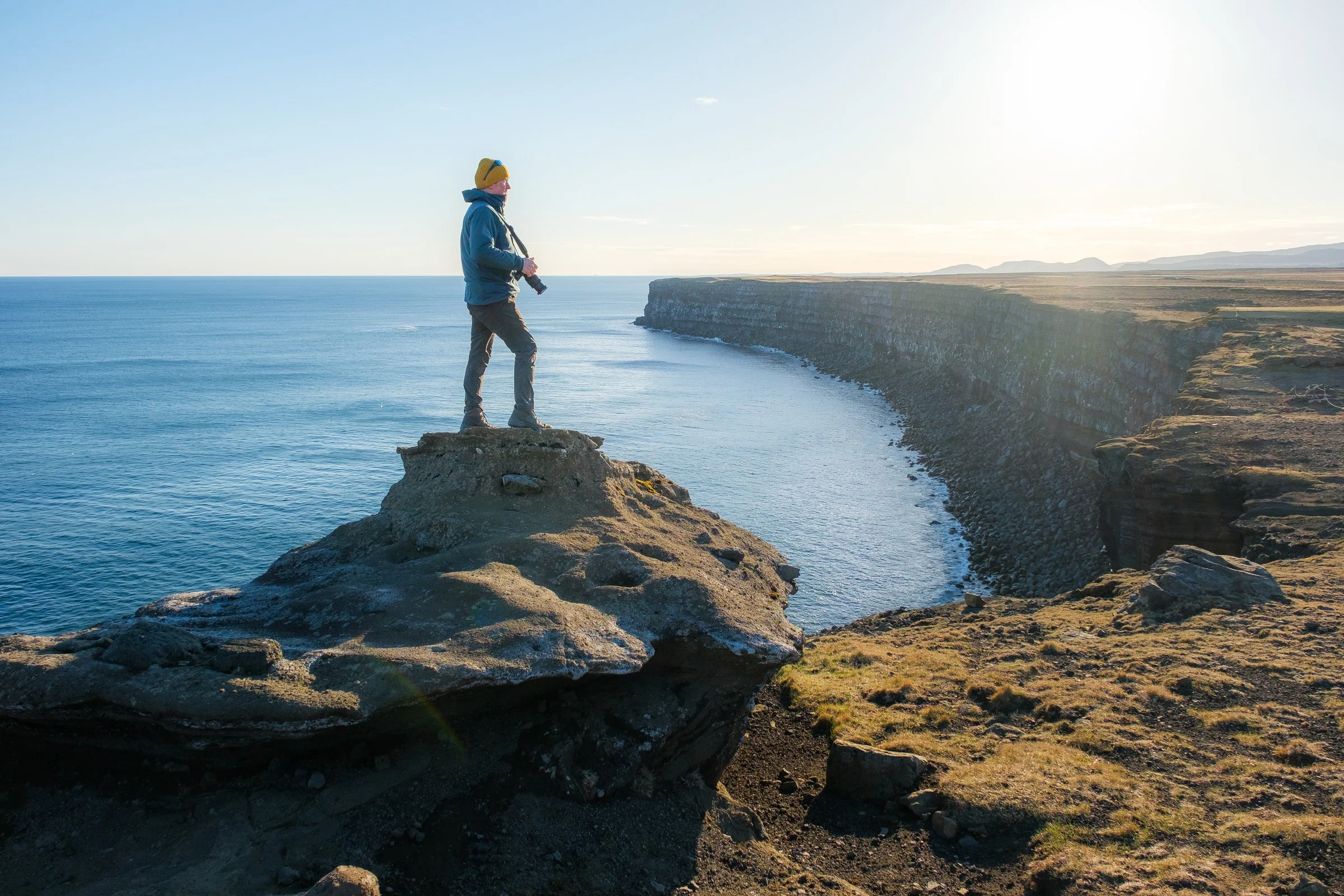
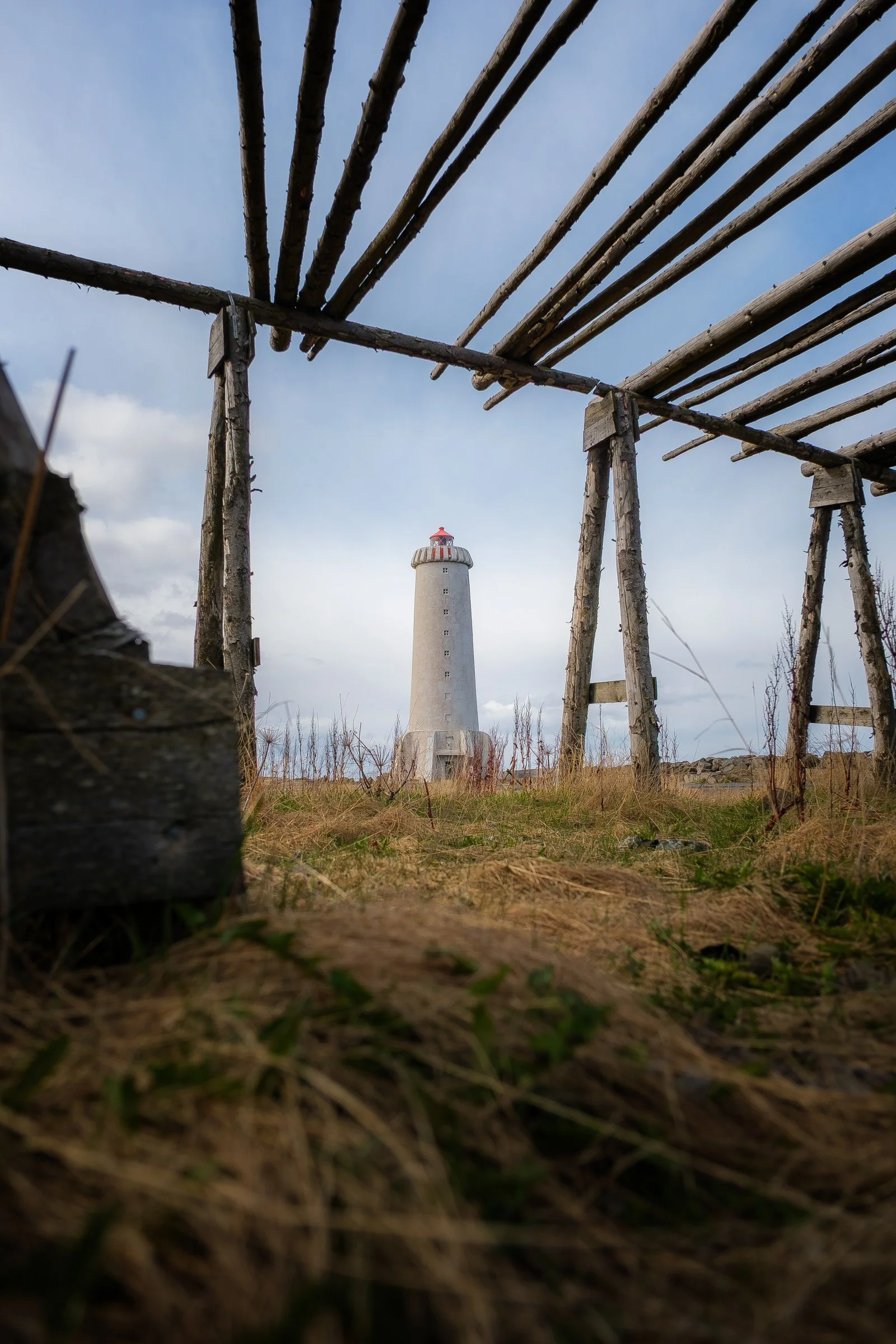
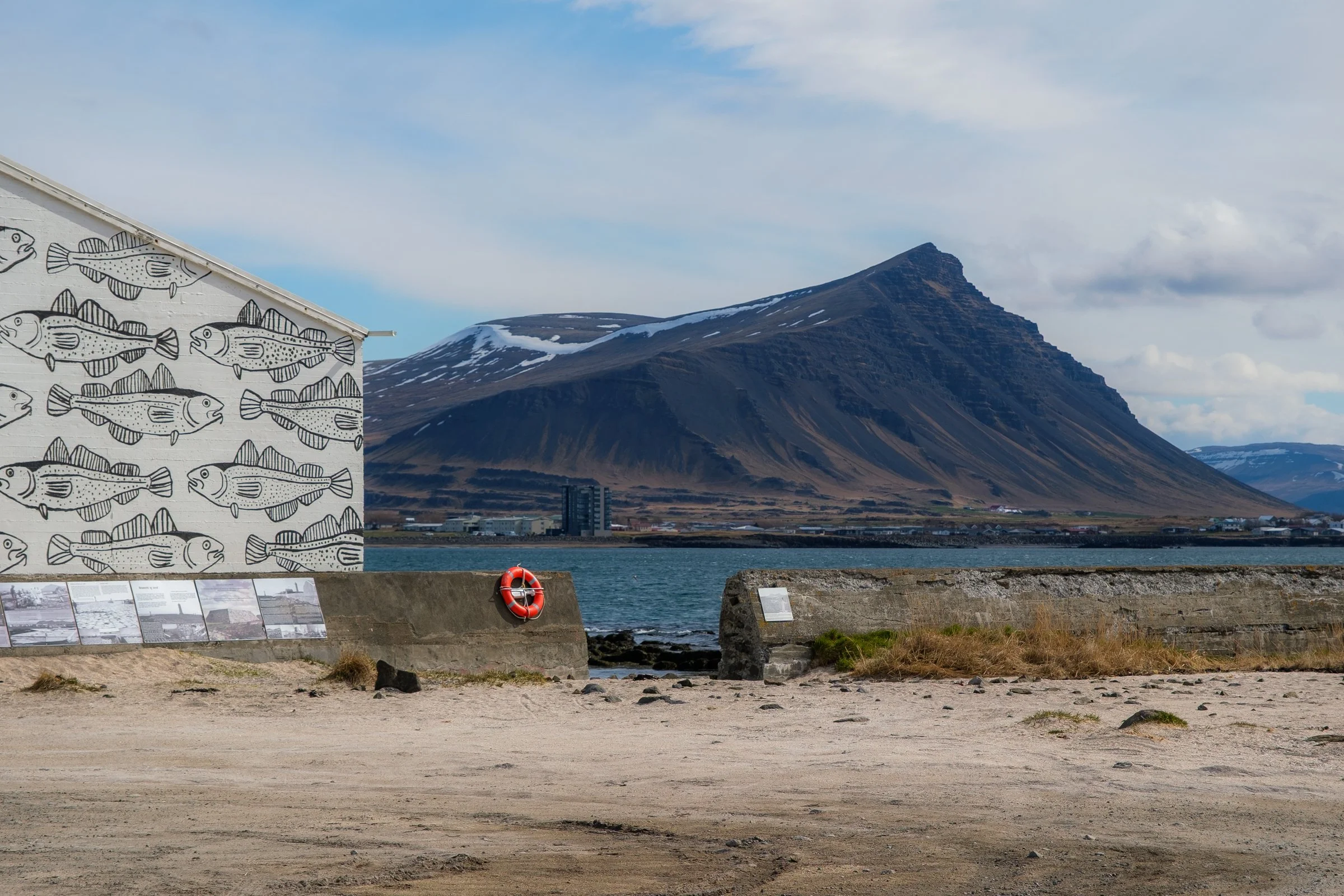
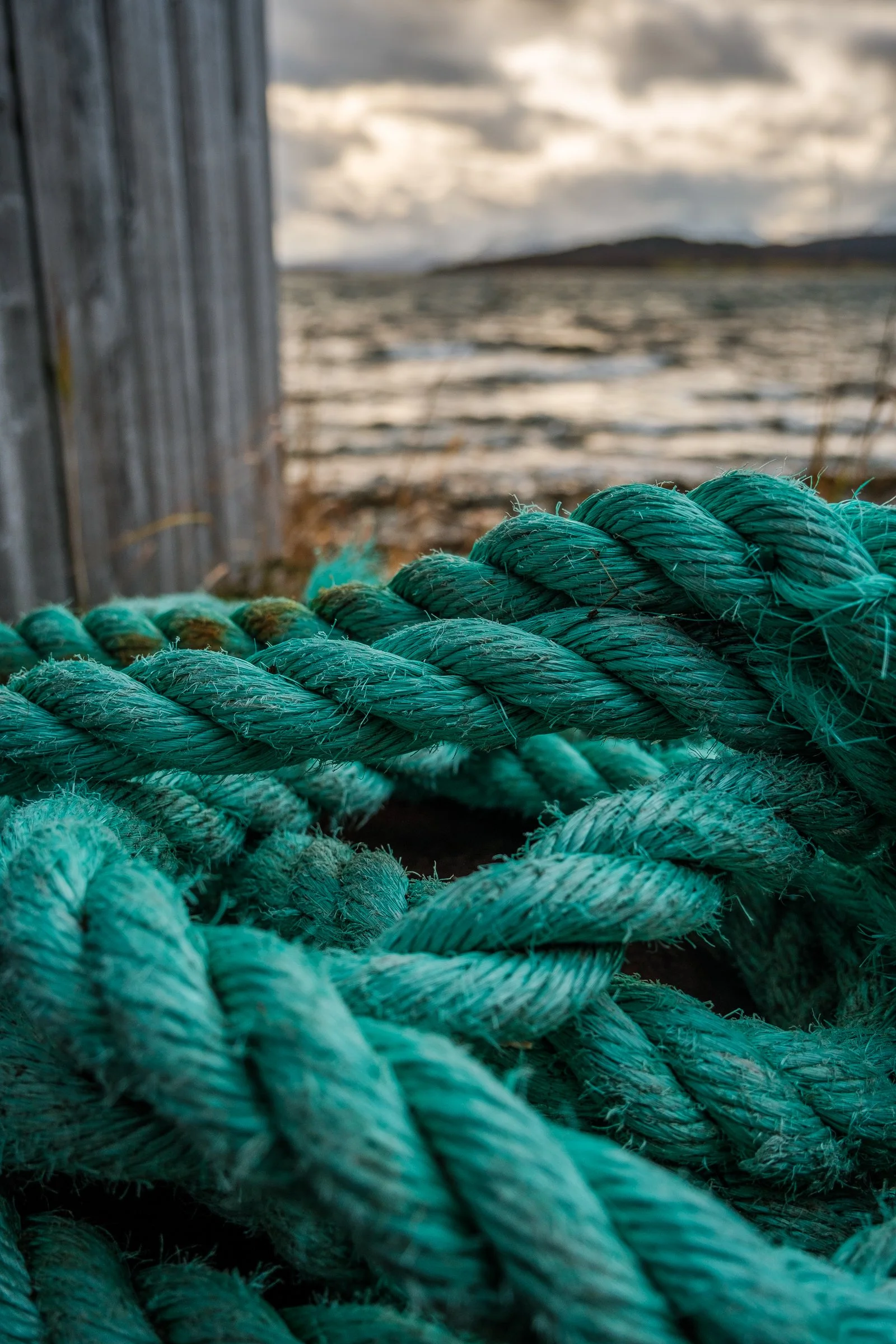
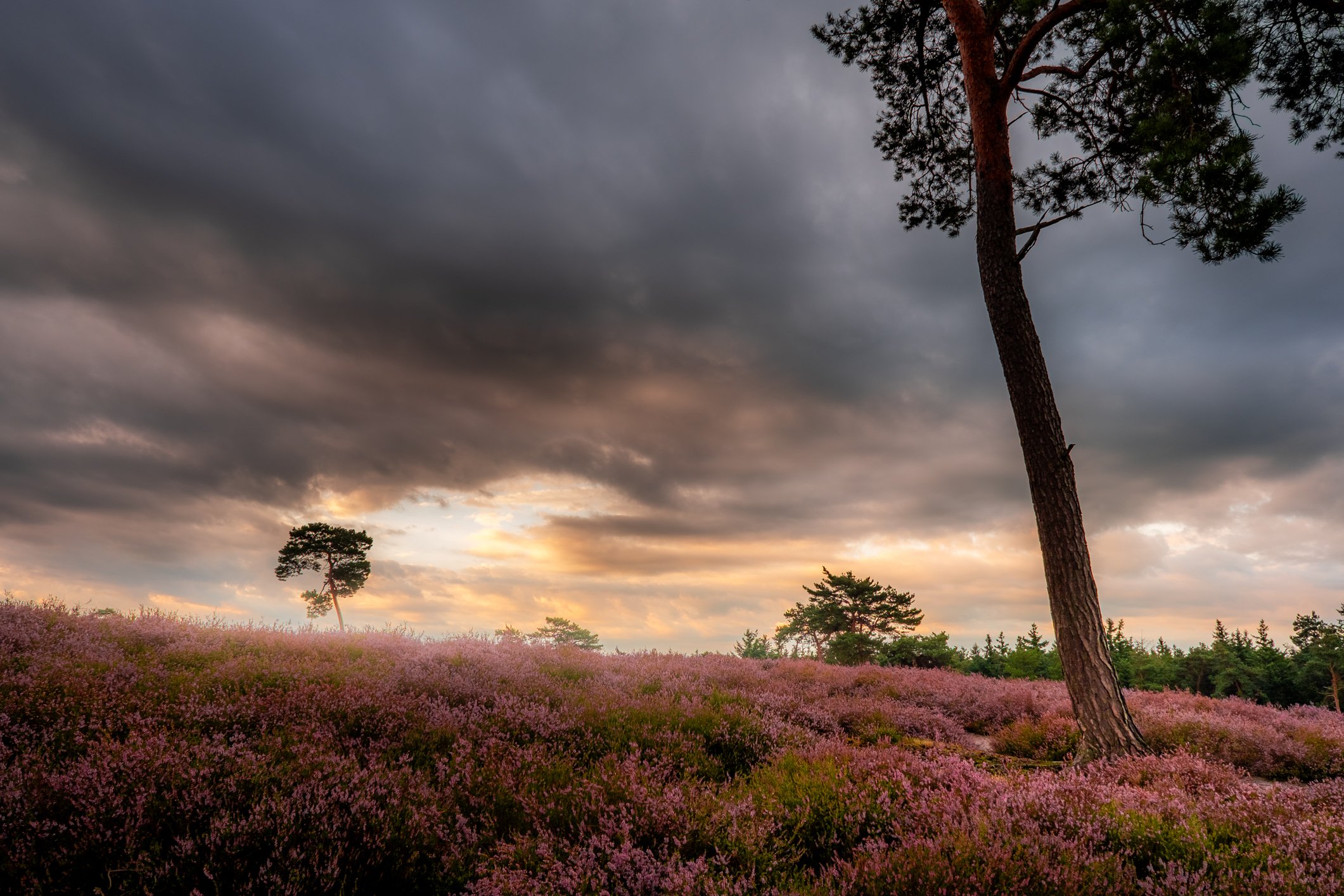
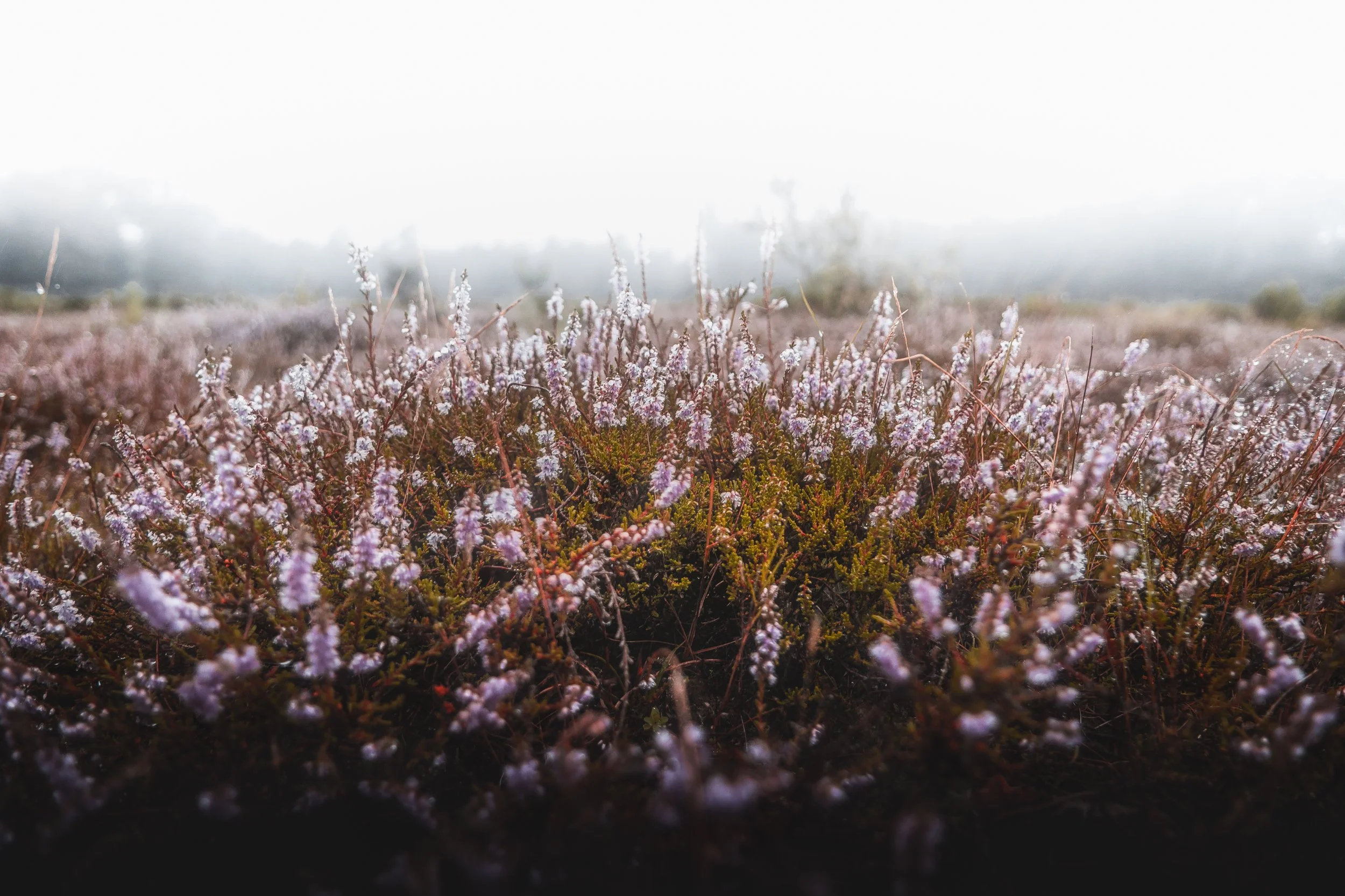
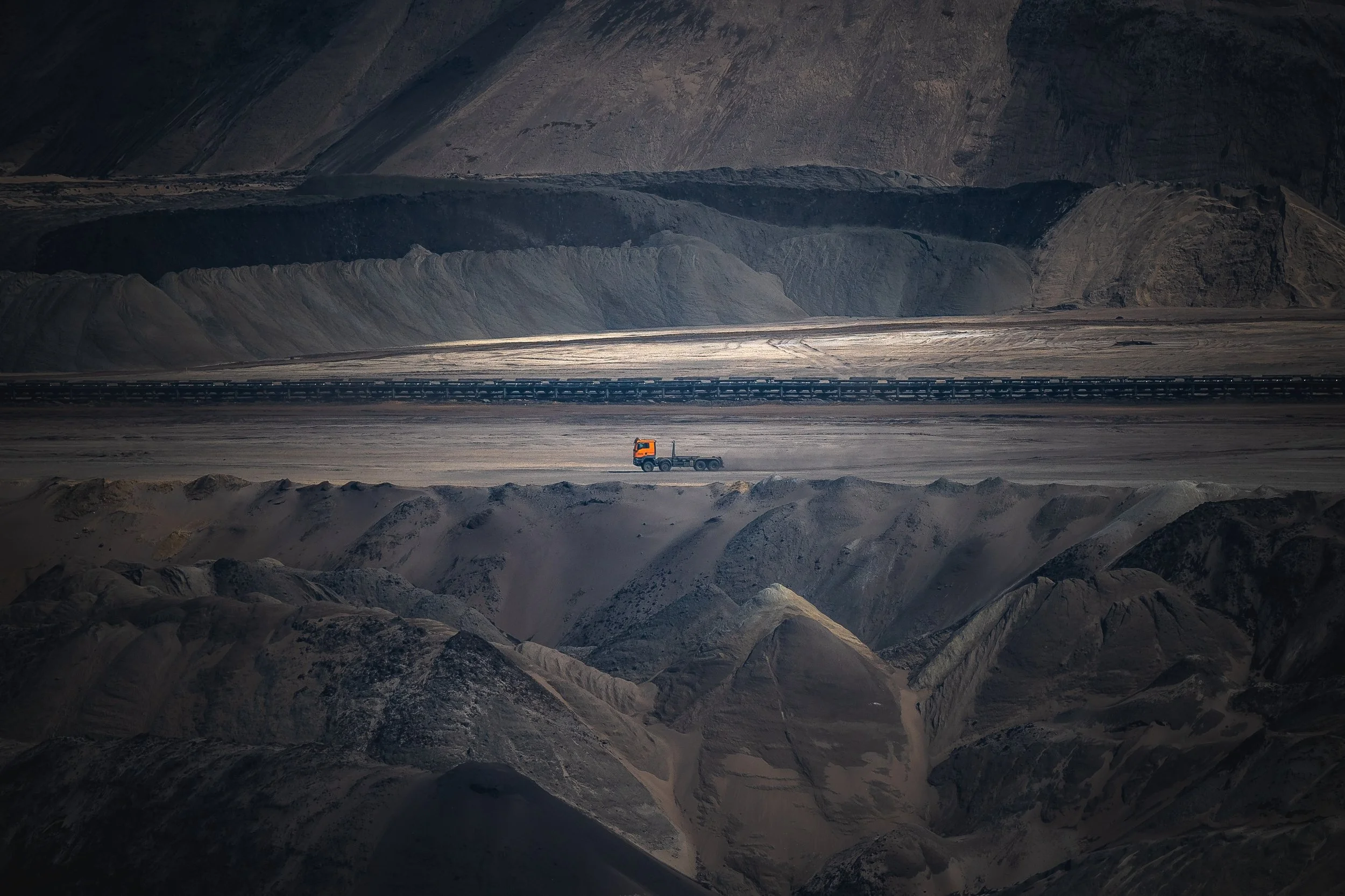
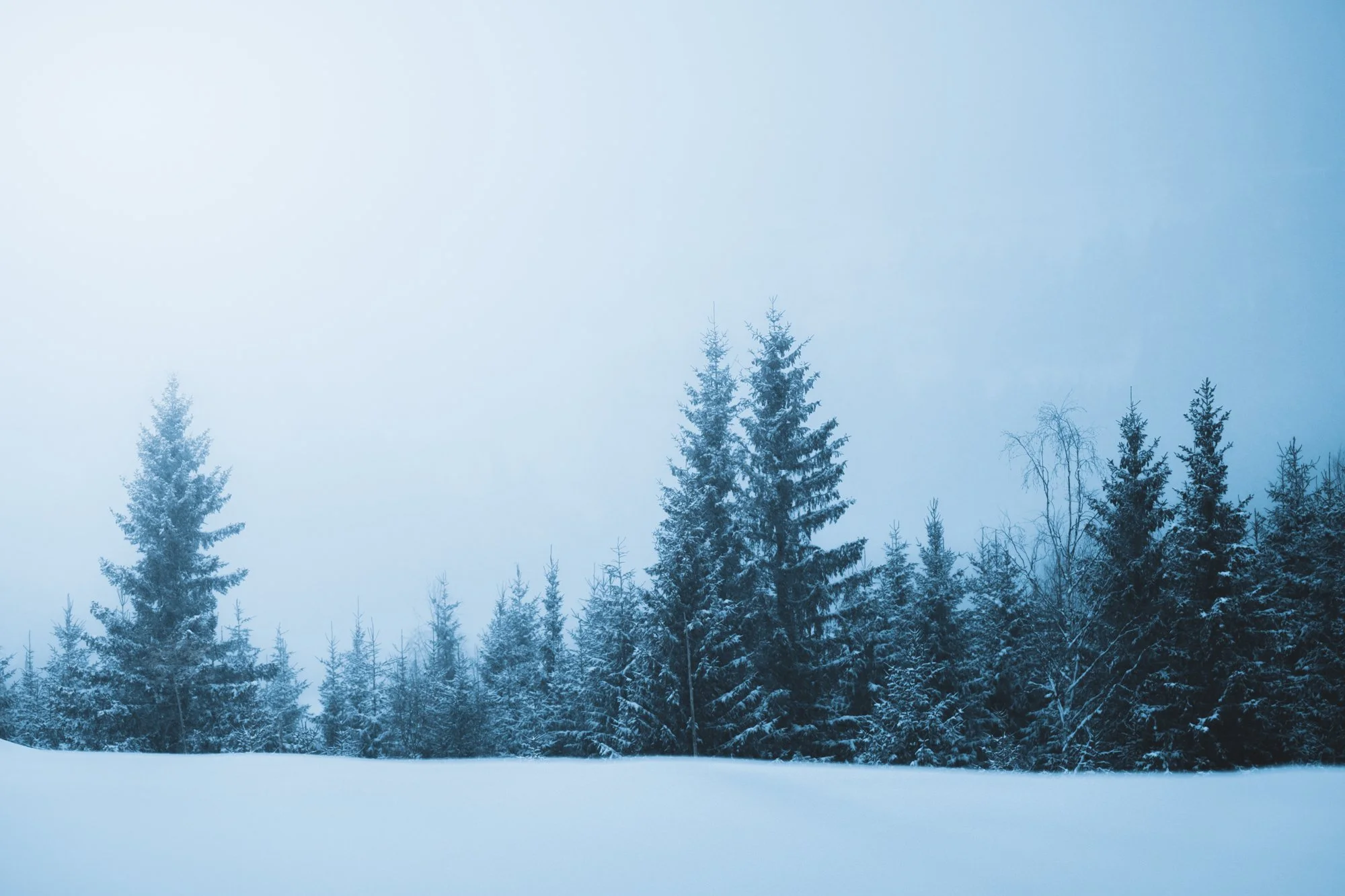
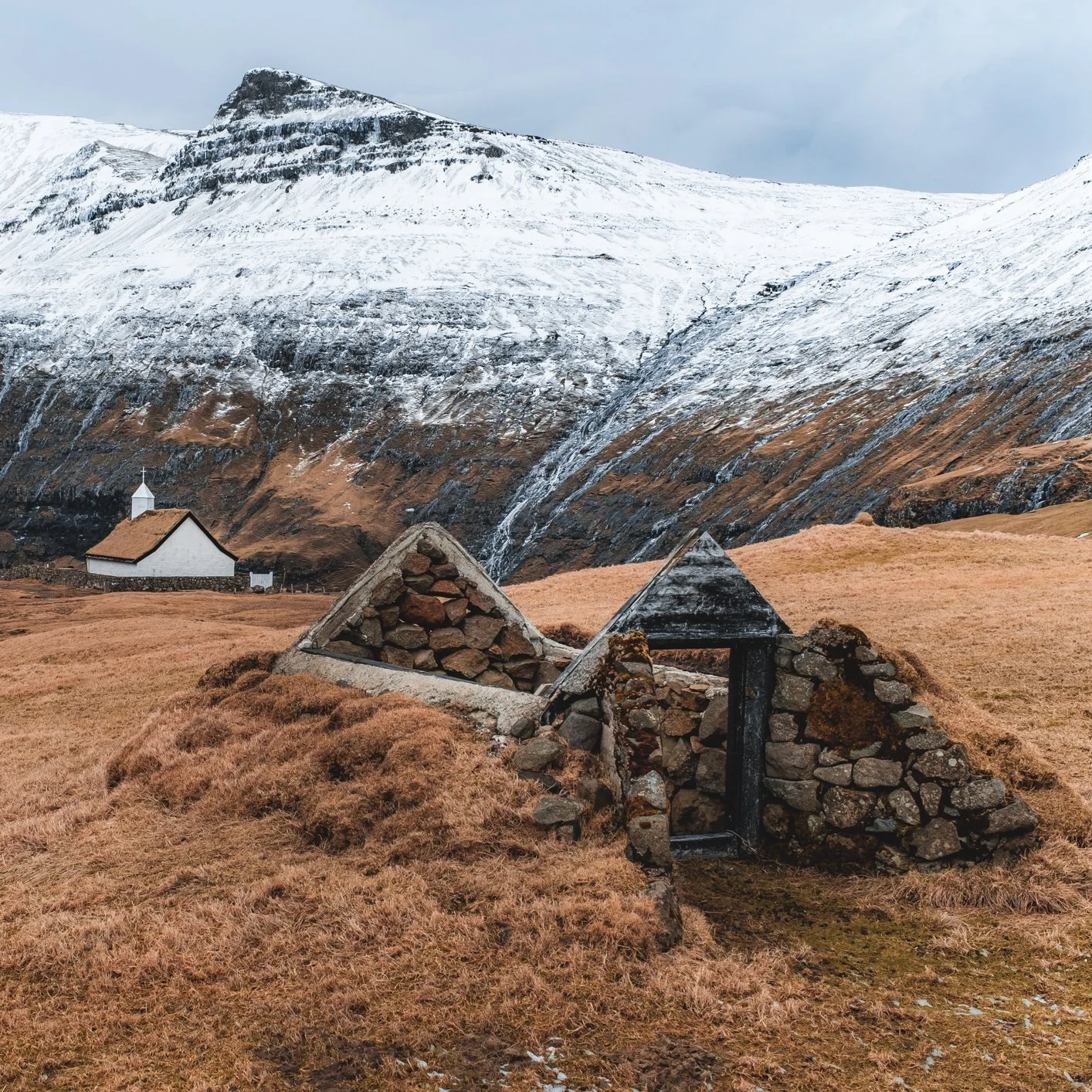
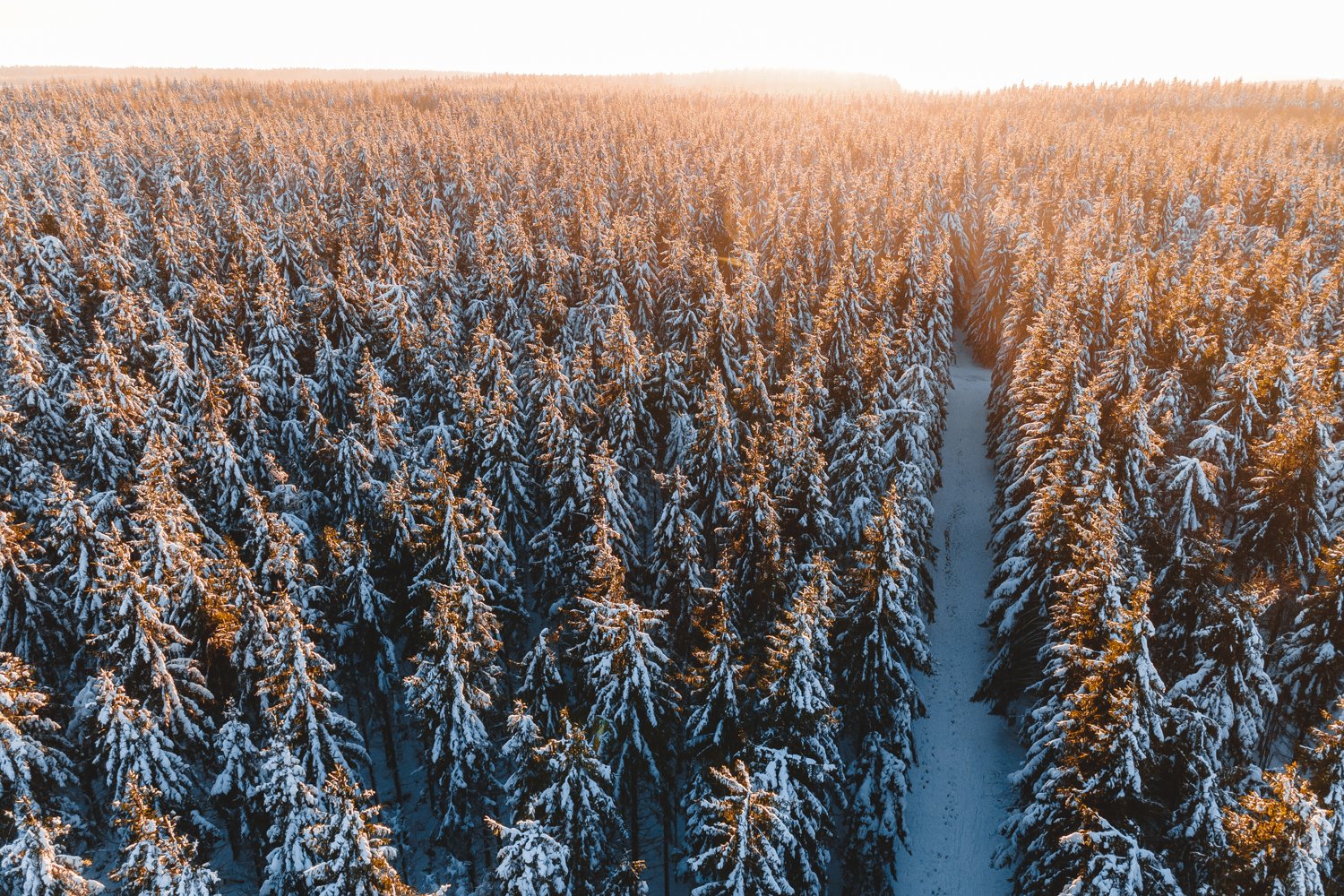
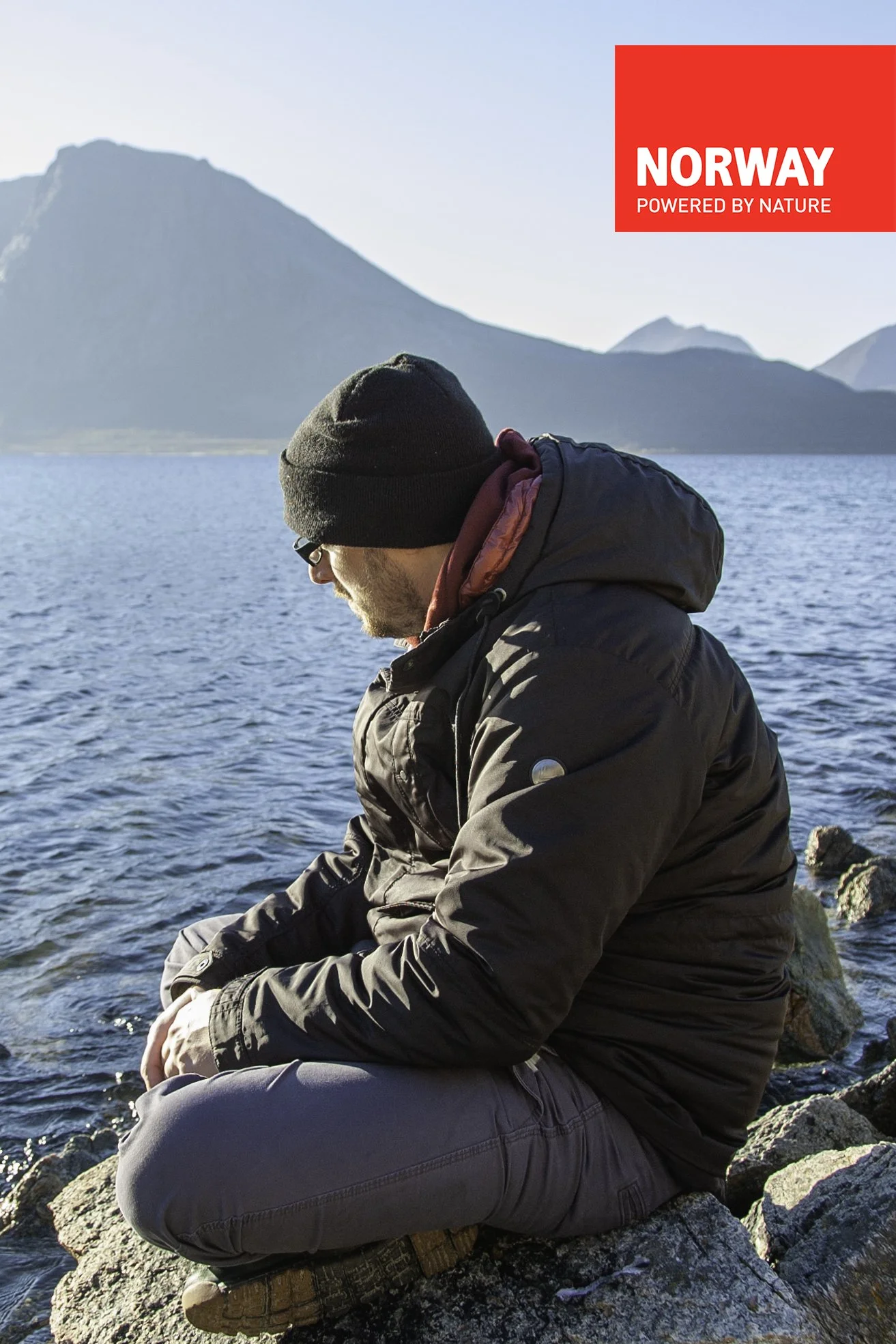
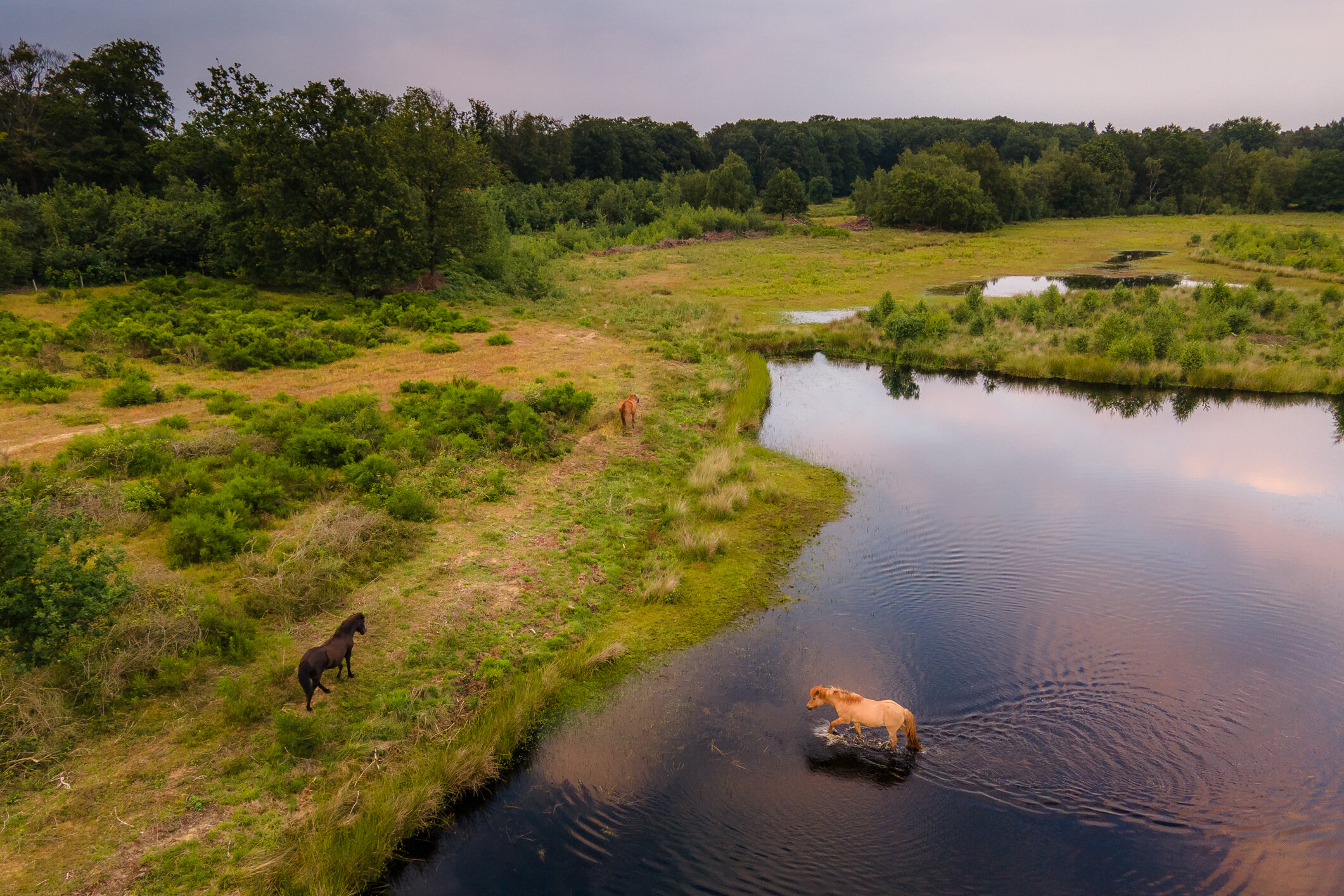
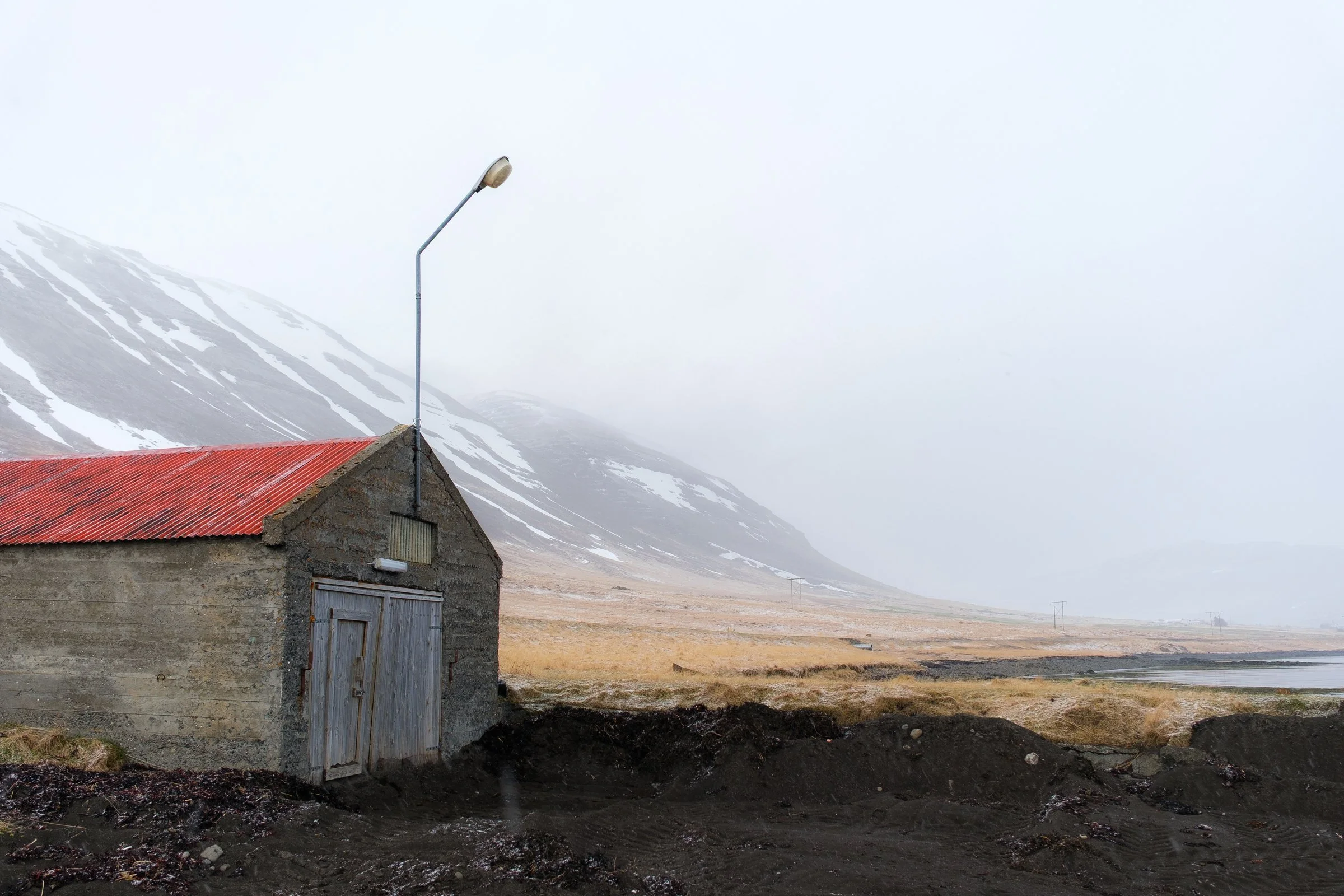
Below is a selection of images from this journey through the Westfjords. Each frame is a small fragment of the days spent moving through this landscape — moments of shifting light, changing weather, and the quiet in-between spaces that define this region.

From wide, atmospheric scenes that capture the scale of the fjords, to more intimate details found along the road and coastline, this series reflects both the variety of the landscape and the rhythm of traveling through it. Nothing here was rushed; everything came from taking time to observe, wait, and respond to what the environment offered in that moment.

Looking back through the selection, it feels less like a structured series and more like a visual diary of being present in a place that constantly changes, yet somehow always feels familiar.
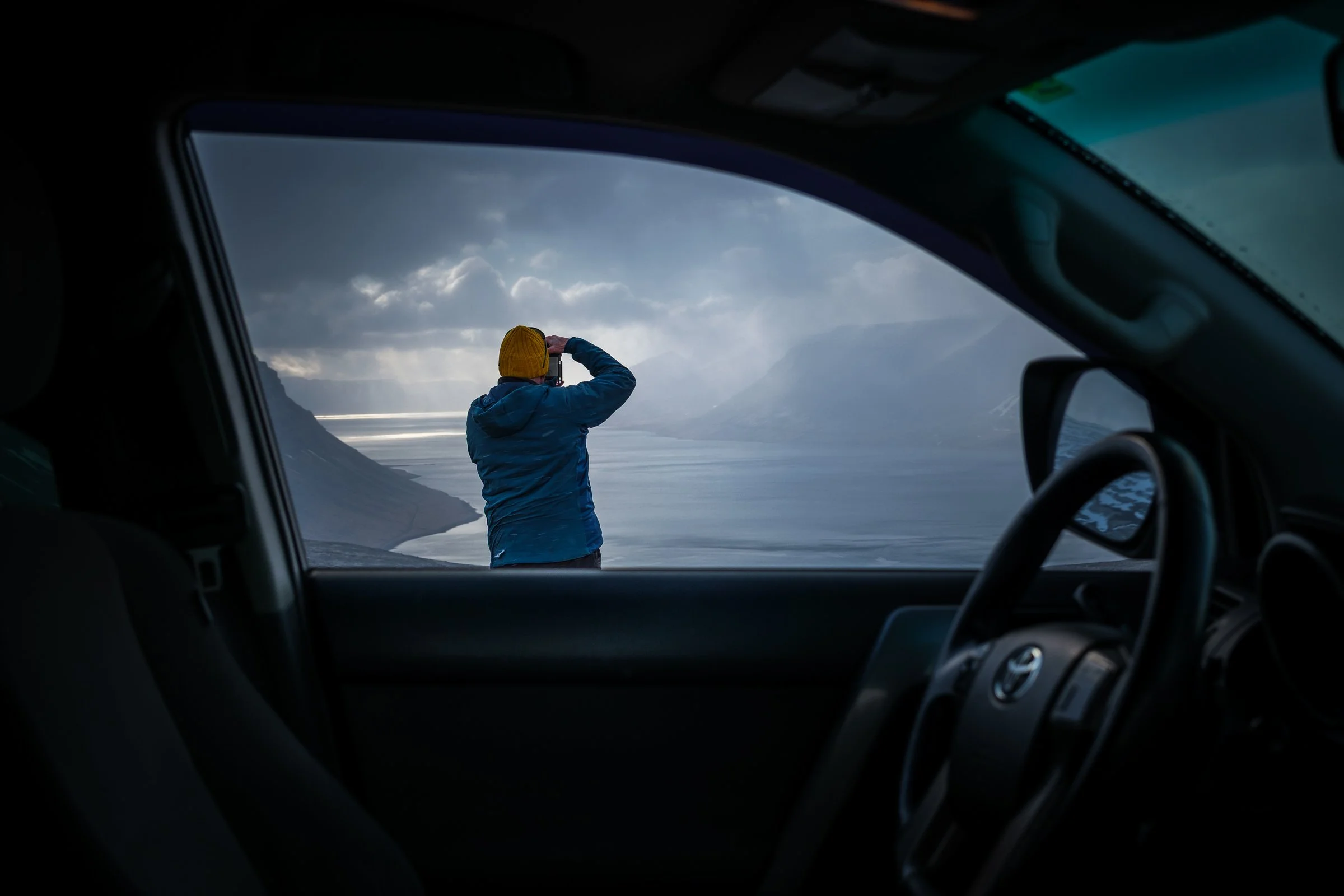
For more images and updates from this journey (and future trips), you can follow along on my Instagram. That’s where I share full series, behind-the-scenes moments, and ongoing work in a more immediate way.
Elduvík

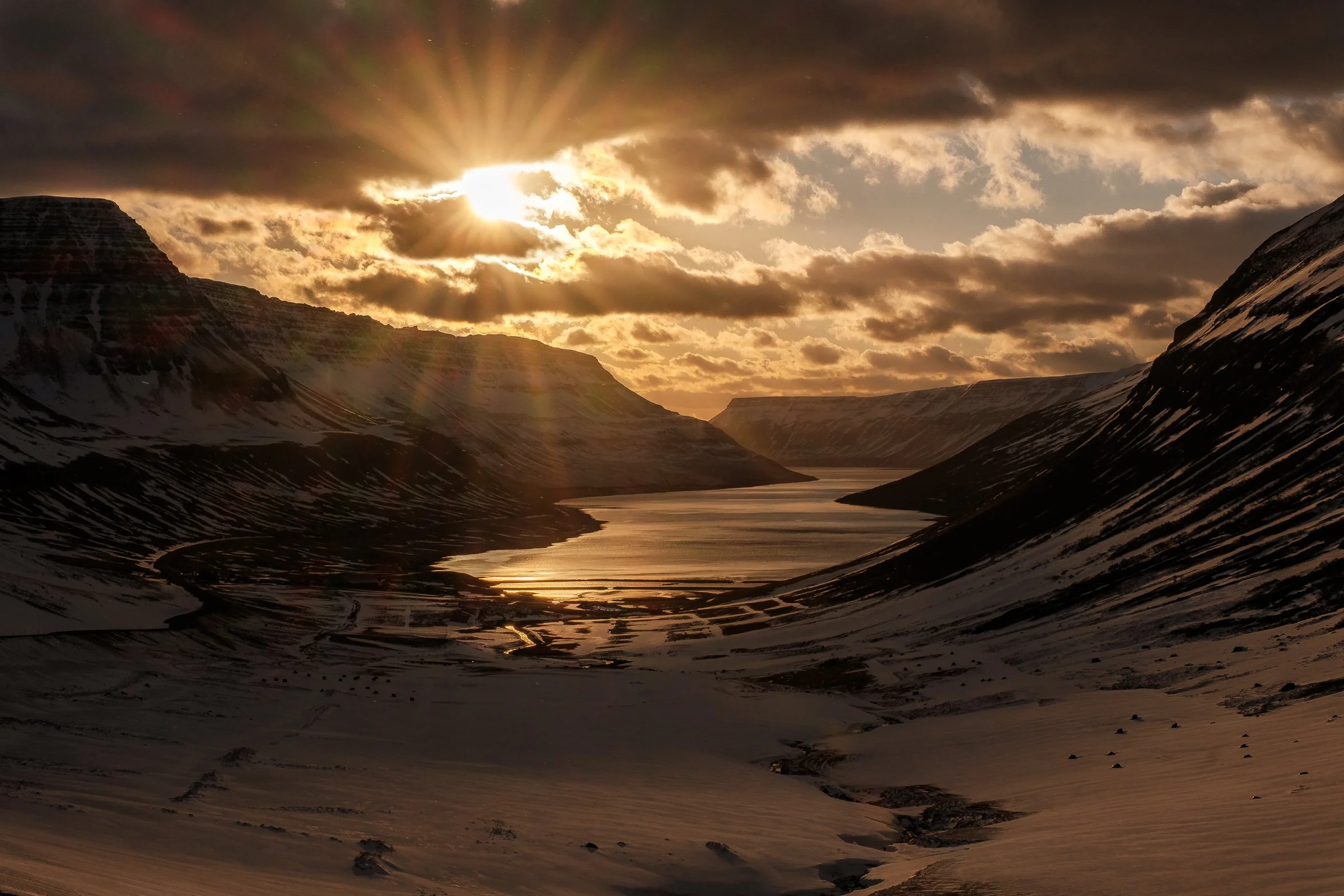
In July 2024 I took a few snaps in Elduvík, The Faroe Islands. Its a place I always make a stop on my private and custom photography workshops that I run. Its such a quiet and beautiful village. Not many people live here, around 12 people or so and the town sits on the end of the road in a fjord, looking out over the water onto Kalsoy island.

The grainy black and white in these pictures is something I love to use and express my vision of The Faroe Islands in.

So these pictures of beautiful Elduvík are no exception. It is everything you want from a small Faroese village. Old houses, the ocean nearby, windswept landscapes, rustic and nordic details all around. Enjoy watching these pictures.

Moving Postcards

I have made a new playlist on my Youtube Channel. This playlist contains short, little videos. Cinematic and often slow and static. No music, just the actual sounds and ambiance present. Showing off certain places and locations in a cinematic way, catching the actual vibe, and feel of these places.

Mystical Photography - DIY

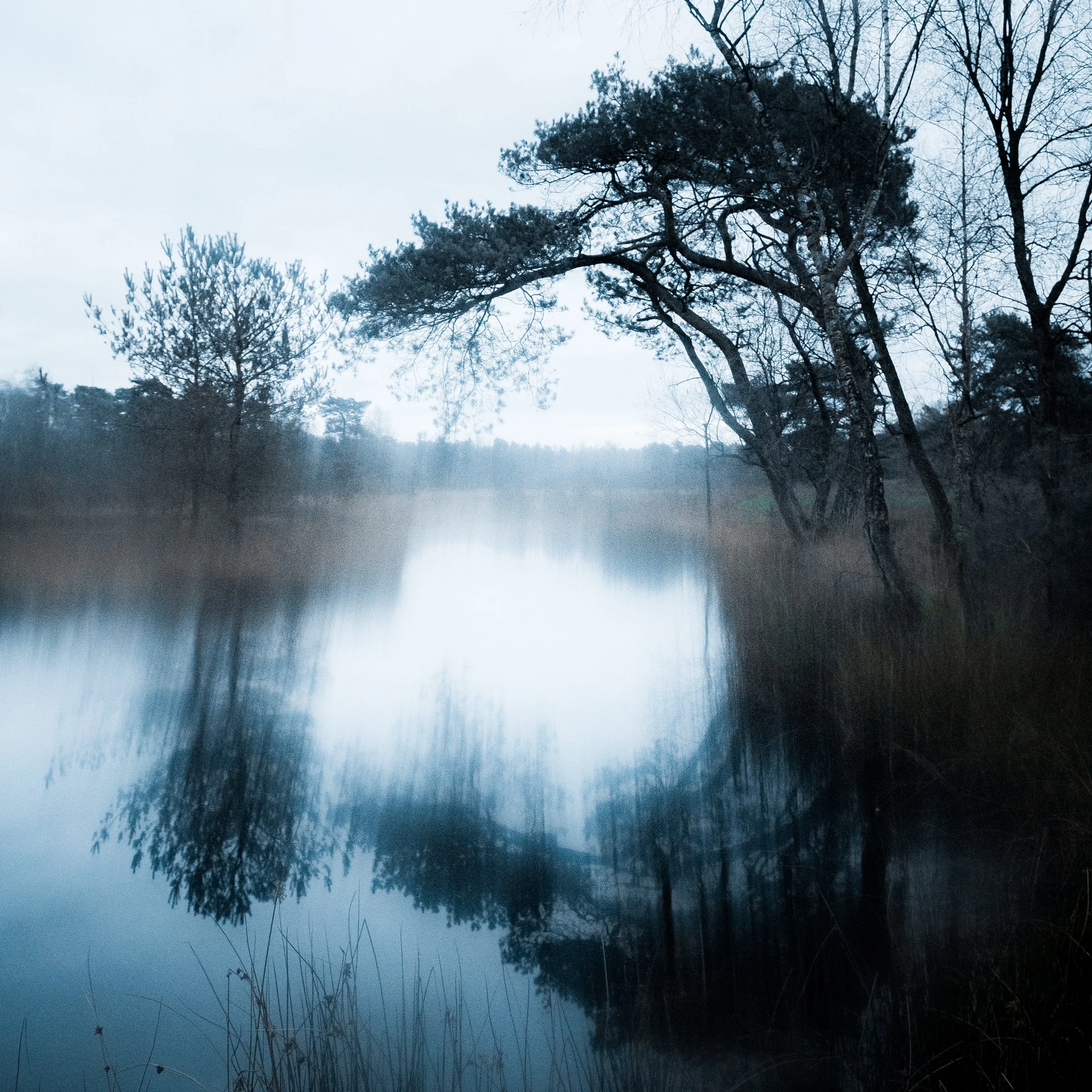
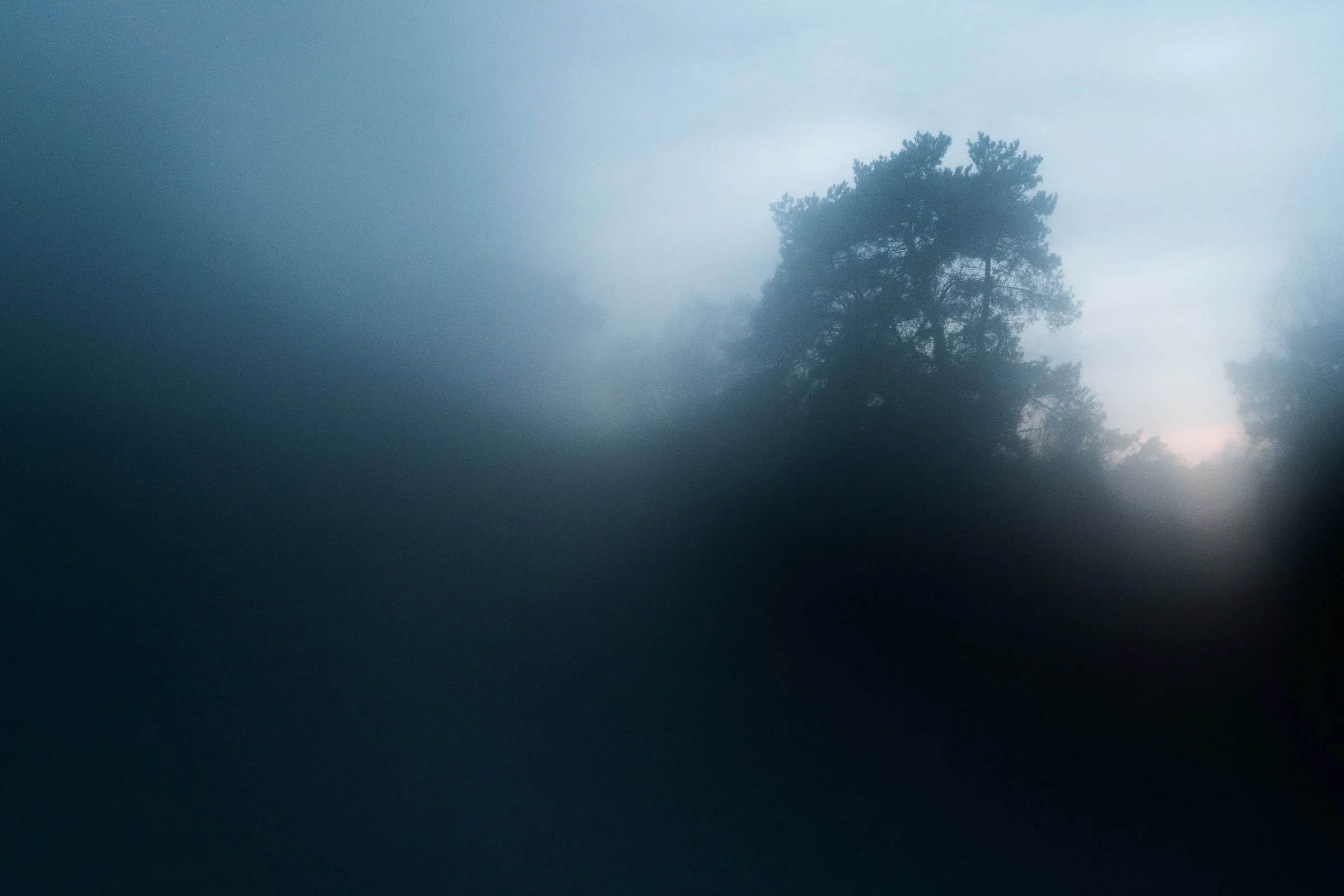
Yesterday I went out in nature here at home strapped with my Nikon D500 and the 17-55mm F2.8. Attached to that an old UV lens. I don’t really use UV lenses, but why did I do so yesterday you might ask? Well… I smeared some Vaseline on the lens, to create some interesting effect.

Call it mist, fog, blur, or whatever you like.. but it does add a creative effect to your shots. It makes you hunt and look for compositions a little bit differently. I like it. Here are some results. It was cold and close to sunset, so the cold/dark tones really match the way the vibes of this place were.

The more Vaseline you add to the UV filter, the crazier the results can get. You can create these really interesting warped images like this one below.

Stakken - Kvaløysletta, Tromsø, Norway.

Stakken

At Stakken, south of Kvaløysletta, stands a row of boathouses, eleven in all, most of them built using old, traditional building techniques, with turfed roofs. Behind the row of boathouses lie several buildings big and small – a “båtskott” (boat shed), smithy, wooden shack, fishing hut and toilet.

Me, posing in front of the boathouses at “Stakken”

Most of the land is owned by Arctandria, Tromsø Kystlag (founded in 1979). The company also owns two of the boathouses and the buildings behind, and the site has been to a great extent built on a voluntary basis. The rest of the boathouses are privately owned, mostly by members of Arctandria.

In the boathouses are housed old and new Nordland (wooden) boats of different sizes – the largest is the fembøring (five-man boat) Salarøy, which is owned by the Salarøy foundation and is housed in the large boathouse. In its establishment phase at Stakken, the Arctandria association has set up its own buildings, but its main aim is to preserve the coastal culture by restoring old boats, building new ones using traditional principles and holding a variety of courses in restoration, smithcraft, sweeping, etc., as well as 4-H.

The buildings were built according to old designs and building techniques, mostly during the 1980s and 1990s. In many cases there are new materials as well as the re-use of old building materials, which has been the custom along the coast of North Norway for hundreds of years.